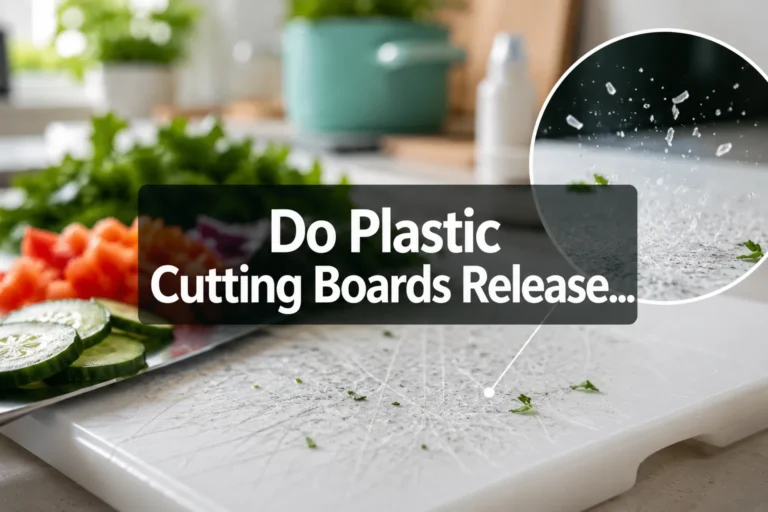
Does Bamboo Harbor Bacteria? The Truth About Bamboo Boards

Last updated: July 29, 2026
Quick Answer: Bamboo can harbor bacteria, but it does so at lower rates than plastic and most hardwoods when properly maintained. Bamboo’s dense, tightly packed fibers create a less hospitable environment for bacterial growth compared to softer wood surfaces. However, bamboo is not self-sterilizing, and without proper cleaning, pathogens like Salmonella and E. coli can survive in surface cuts and grooves.
Key Takeaways
- Bamboo is technically a grass, not a wood, and its dense fiber structure makes it naturally less porous than many hardwoods.
- Bacteria can still survive on bamboo surfaces, especially in knife cuts and scratches that develop over time.
- Proper cleaning and drying after each use significantly reduces bacterial risk on bamboo boards.
- Bamboo outperforms plastic in long-term hygiene because plastic develops deep knife grooves that trap bacteria and resist sanitizing.
- Bleach is not recommended for bamboo boards because it dries out and cracks the surface, creating more grooves where bacteria can hide.
- Hot water, dish soap, and food-safe mineral oil are the best tools for keeping bamboo boards bacteria-free.
- Bamboo boards should be replaced when they develop deep cuts, persistent odors, or visible mold that cannot be cleaned away.
- Titanium cutting boards offer the most bacteria-resistant surface of any kitchen board material, as they are fully non-porous.
Does Bamboo Harbor Bacteria? Understanding the Core Question
Yes, bamboo can harbor bacteria, but context matters significantly. Bamboo’s fiber density gives it a natural advantage over softer surfaces, but no cutting board material is immune to bacterial contamination without proper care.
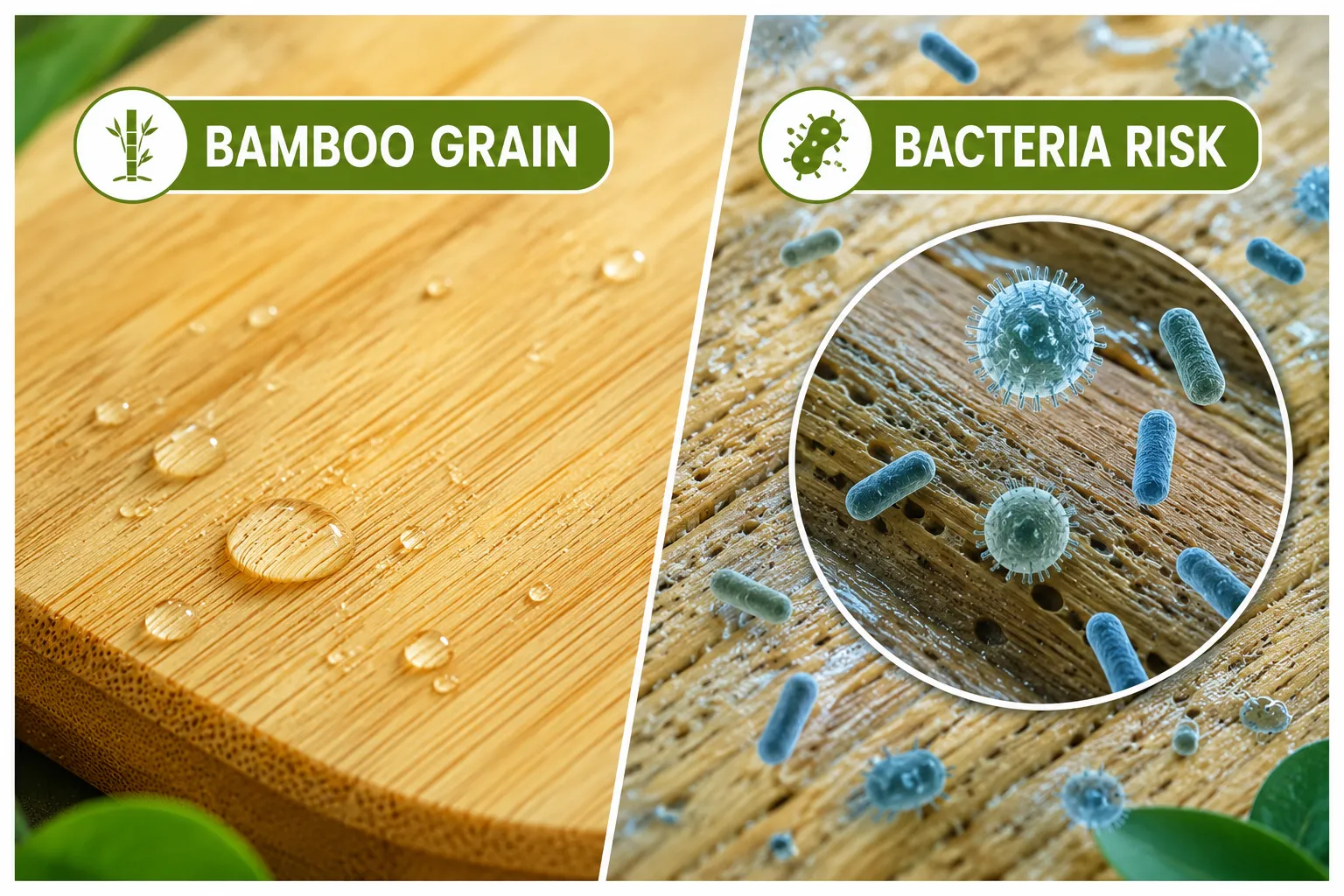
The question “does bamboo harbor bacteria?” comes up often in kitchen safety discussions because bamboo has been marketed aggressively as an antibacterial material. That claim deserves scrutiny. Bamboo contains a bio-agent called “bamboo kun,” a natural antimicrobial property found in the living plant. The problem is that most of this antimicrobial activity is lost during the manufacturing process, when bamboo stalks are sliced, pressed, and glued into board form. What you’re left with is a dense, relatively low-porosity surface, but not a sterile one.
The practical takeaway: bamboo is a good choice for kitchen use, but only if you treat it like any other cutting board and clean it thoroughly after every use.
What Bacteria Can Grow on Bamboo?
The same pathogens that contaminate any cutting surface can grow on bamboo. The most common culprits in kitchen settings include:
- Salmonella (from raw poultry and eggs)
- Escherichia coli (E. coli) (from raw beef and unwashed produce)
- Listeria monocytogenes (from deli meats and soft cheeses)
- Campylobacter (from raw chicken)
- Staphylococcus aureus (from skin contact and cross-contamination)
Bacteria thrive in moisture and organic matter. When you cut raw meat or unwashed vegetables on a bamboo board, you introduce both. The knife creates micro-grooves in the surface, and those grooves trap food particles and moisture, giving bacteria a place to multiply.
A key distinction: bacteria on a smooth, freshly cleaned bamboo surface tend to die off within a few hours due to lack of moisture. Bacteria embedded in deep knife cuts can survive much longer, sometimes days, if the board is not properly dried.
Can Bamboo Harbor Harmful Bacteria Like Salmonella?
Bamboo can harbor Salmonella and other dangerous pathogens when contaminated surfaces are not cleaned promptly and thoroughly. This is not unique to bamboo, but it is a real risk that home cooks should take seriously.
Salmonella contamination typically occurs when raw poultry or eggs are prepared on a cutting board, and the board is then used for ready-to-eat foods like salads or bread without being washed in between. This cross-contamination risk applies to bamboo, wood, and plastic boards equally.
Common mistake: Many people rinse their bamboo board with cold water and consider it clean. Cold water alone does not kill Salmonella. You need hot water and dish soap, followed by complete air drying.
Decision rule: If you use your bamboo board for raw meat, treat it as a dedicated raw-meat board and use a separate board for produce and cooked foods. This single habit eliminates the majority of cross-contamination risk.
Does Bamboo Naturally Resist Bacteria Better Than Wood?
Bamboo resists bacteria somewhat better than most softwoods and comparably to dense hardwoods like maple. The advantage comes from bamboo’s tight fiber structure, which absorbs less moisture than open-grained woods like pine or cherry.
Here is how bamboo compares to common wood types:
| Surface Material | Porosity | Moisture Absorption | Bacteria Risk |
|---|---|---|---|
| Bamboo | Low-medium | Low | Moderate |
| Hard maple | Low | Low-medium | Moderate |
| Walnut | Medium | Medium | Moderate-high |
| Pine | High | High | High |
| Cherry | Medium | Medium | Moderate-high |
Bamboo’s edge over softer woods is real but modest. The more important factor is surface condition. A well-maintained bamboo board with no deep cuts will outperform a scratched and neglected maple board every time.
What makes bamboo resistant: Dense, cross-laminated fiber structure reduces surface porosity. Bamboo also dries faster than most woods, which limits the moisture window bacteria need to multiply.
What makes bamboo susceptible: Knife cuts, improper oiling, and prolonged water exposure all degrade bamboo’s natural resistance over time.
Bamboo vs. Plastic Cutting Board: Which Is More Hygienic?
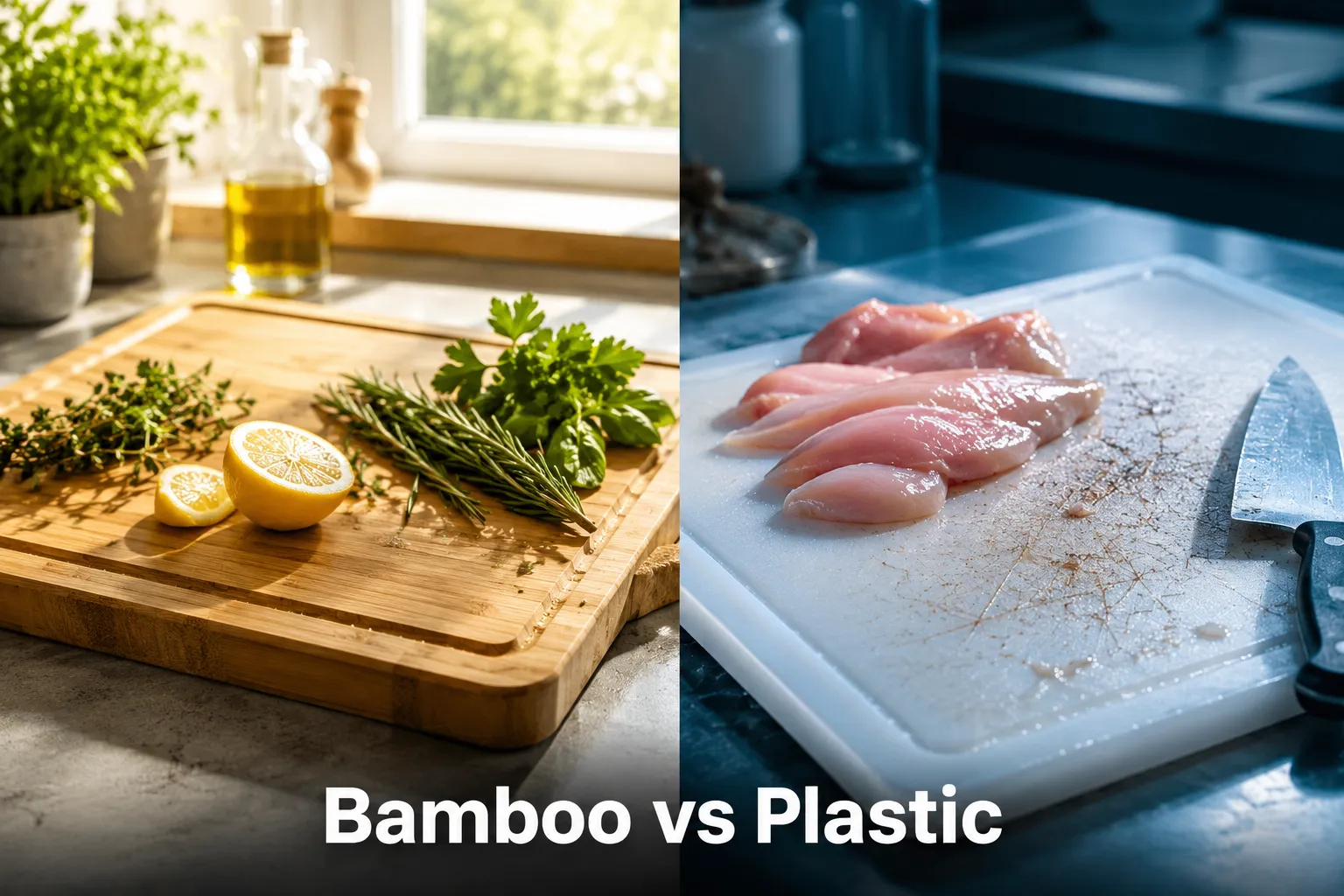
Bamboo is more hygienic than plastic in real-world kitchen use, even though a brand-new plastic board starts out with a smoother, less porous surface. The key difference is long-term performance.
New plastic boards are easy to sanitize because the surface is smooth and non-porous. But plastic is soft. Knife cuts accumulate quickly, and those grooves are nearly impossible to clean completely, even in a dishwasher. Research from the University of California, Davis, published in the early 1990s and still widely cited in food safety literature, found that bacteria drawn into knife cuts in plastic boards were not killed by washing, while bacteria on wooden surfaces were harder to recover after similar treatment.
Bamboo holds up better to knife use than most plastics, meaning it develops fewer deep grooves over time. That structural advantage translates directly into lower bacterial risk over the life of the board.
Choose bamboo if: You want a durable, lower-maintenance surface that resists bacterial buildup over years of use.
Choose plastic if: You need a board that can go in the dishwasher regularly and you replace it frequently (every 6 to 12 months).
Skip both if: You want the most hygienic option available. In that case, consider a non-porous surface like titanium, which has no grooves, no porosity, and no bacterial harborage points at all.
Is Bamboo Food Safe for Kitchen Use?
Yes, bamboo is food safe when it is properly manufactured and maintained. Food-grade bamboo boards should be made without formaldehyde-based glues, which some lower-quality products use to bond the bamboo strips together.
When shopping for a bamboo cutting board, look for boards that are labeled food-safe and made with food-grade adhesives. Boards certified by the FDA or NSF International meet stricter standards for material safety.
Potential concern: Some bamboo boards are made with urea-formaldehyde glue, which can off-gas into food over time, especially with heat and acidic ingredients. This is more common in inexpensive boards from unverified manufacturers.
Practical check: If your bamboo board has a strong chemical smell when new, that is a warning sign. A quality bamboo board should smell faintly of wood, not adhesive.
Just as the microbiome in your mouth plays a role in overall health (for related reading, see our article on how oral probiotics support gut and oral health), the microbial environment on your kitchen surfaces matters more than most people realize. Keeping your food prep surfaces clean is a foundational part of whole-body health.
How to Sanitize Bamboo Cutting Boards Properly
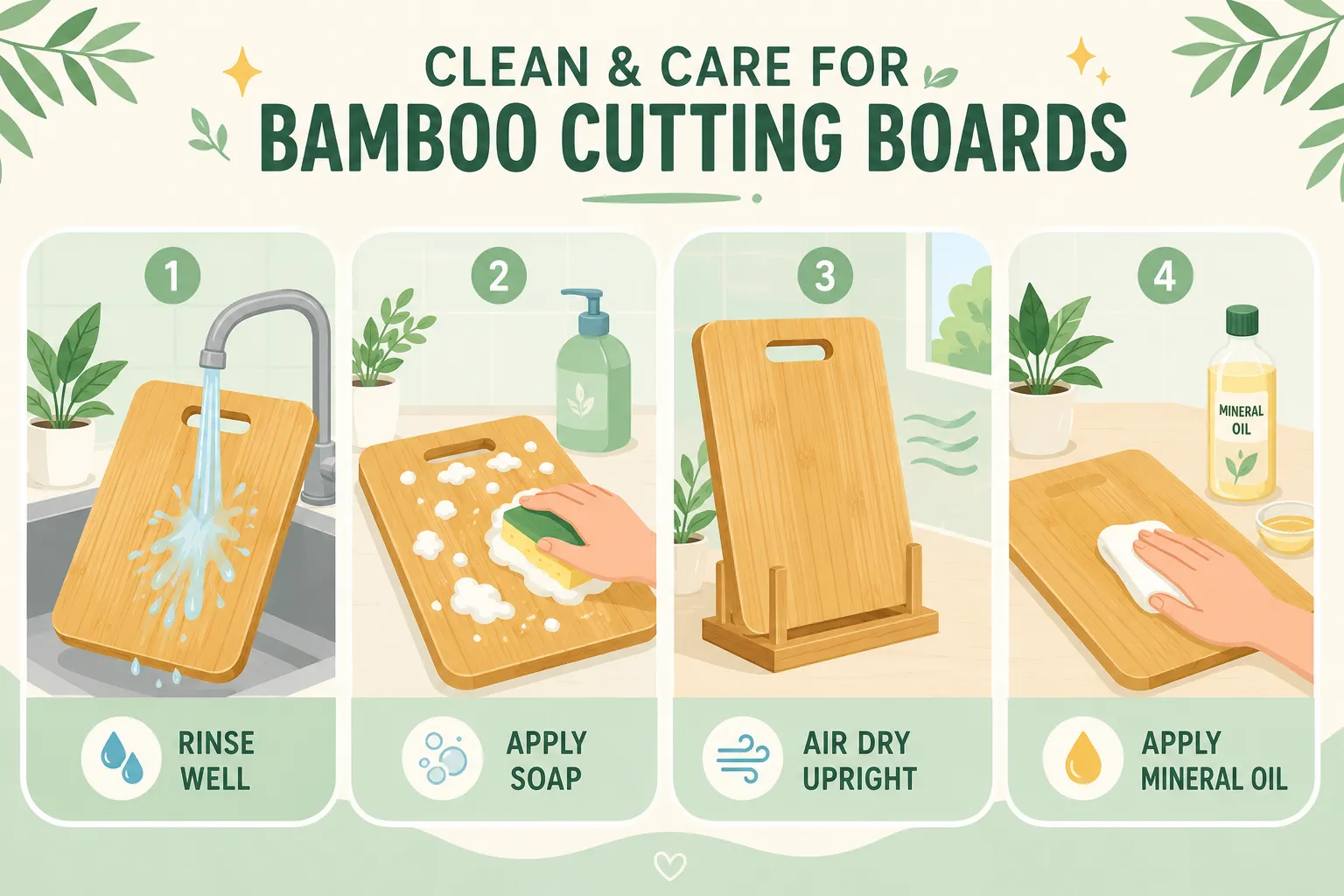
Proper sanitizing removes bacteria from bamboo boards and prevents buildup over time. The process is straightforward but requires consistency.
Step-by-step cleaning method:
- Rinse immediately after use with warm water to remove loose food particles.
- Apply dish soap and scrub the entire surface with a soft sponge or brush, including the sides and back.
- Rinse thoroughly with hot water.
- Sanitize when needed (especially after raw meat) by wiping the surface with a solution of one tablespoon of white vinegar per cup of water, or a diluted hydrogen peroxide solution (3%).
- Dry completely by standing the board upright or propping it at an angle to allow airflow on both sides. Never lay it flat to dry.
- Oil monthly with food-grade mineral oil to prevent cracking and maintain surface integrity.
What not to do:
- Do not soak bamboo boards in water. Prolonged soaking causes warping and cracking.
- Do not put bamboo boards in the dishwasher. The heat and prolonged moisture will split the board.
- Do not use bleach (more on this below).
Can You Use Bleach on Bamboo Cutting Boards?
No, bleach is not recommended for bamboo cutting boards. While bleach is an effective disinfectant, it is too harsh for bamboo’s organic fiber structure.
Bleach dries out bamboo rapidly, causing the surface to crack and split. Those cracks create exactly the kind of deep grooves where bacteria can hide and thrive, making the board less hygienic than it was before treatment. Bleach also degrades the food-safe adhesives used in laminated bamboo boards, potentially releasing those compounds into your food prep surface.
Better alternatives to bleach for sanitizing bamboo:
- White vinegar (undiluted or 1:1 with water): Effective against many common kitchen bacteria, gentle on bamboo.
- 3% hydrogen peroxide: A stronger disinfectant that is still safe for bamboo surfaces.
- Lemon juice and coarse salt scrub: Naturally antibacterial, deodorizing, and gentle enough for regular use.
Edge case: If your bamboo board has been contaminated with raw poultry and you want maximum disinfection, use the hydrogen peroxide method, let it sit for two minutes, then rinse with hot water and dry completely.
Best Way to Clean Bamboo to Prevent Bacterial Growth
The best way to prevent bacterial growth on bamboo is a combination of prompt cleaning, complete drying, and regular oiling. No single step works in isolation.
The most important habit: Dry your board completely after every wash. Moisture is the primary driver of bacterial growth on any surface. A bamboo board that is washed and then laid flat on a wet counter will harbor more bacteria than one that is rinsed and stood upright to air dry.
Monthly maintenance routine:
- Scrub the board with coarse salt and half a lemon to deodorize and lift surface stains.
- Rinse, dry completely, then apply a generous coat of food-grade mineral oil.
- Let the oil absorb for at least two hours before using the board again.
- Wipe off excess oil with a clean cloth.
This routine keeps the bamboo surface sealed, reducing porosity and limiting the moisture absorption that bacteria need to survive.
Does Bamboo Need Special Care to Stay Bacteria-Free?
Yes, bamboo requires consistent care to remain a low-bacteria surface. It is not a set-and-forget material.
Compared to titanium or glass, bamboo demands more attention. But compared to wood, it is relatively forgiving. The core requirements are:
- Wash after every use with hot water and soap.
- Dry completely before storing.
- Oil every 3 to 4 weeks to maintain surface integrity.
- Inspect regularly for deep cuts, cracks, or discoloration that signal it is time to replace the board.
Bamboo boards that are properly cared for can last several years. Boards that are neglected, soaked, or left damp will degrade quickly and become bacterial hazards within months.
Just as maintaining good gut bacteria diversity requires consistent daily habits (see our guide on foods that naturally boost gut bacteria diversity), keeping your kitchen surfaces bacteria-free requires the same kind of routine commitment.
How Often Should You Replace Bamboo Cutting Boards?
Replace your bamboo cutting board when it shows visible signs of degradation, typically every 1 to 3 years with regular use, though some well-maintained boards last longer.
Replace immediately if you notice:
- Deep knife grooves that cannot be cleaned (run your finger across the surface, if you feel ridges that trap your fingernail, it is time to replace)
- Persistent odors that do not go away after cleaning and deodorizing
- Visible mold or black spots, especially in cracks
- Warping or splitting that creates uneven surfaces
- Discoloration that does not respond to cleaning
Signs you can keep using the board:
- Surface scratches that are shallow and smooth
- Minor discoloration from spices or berries that does not smell
- A board that still lies flat and has no deep grooves
Cost perspective: A quality bamboo board costs between $20 and $60. Replacing it every two years is a small investment in food safety. If you find yourself replacing boards frequently, it may be worth considering a more durable, non-porous material.
Bamboo vs. Other Cutting Board Materials: A Full Hygiene Comparison
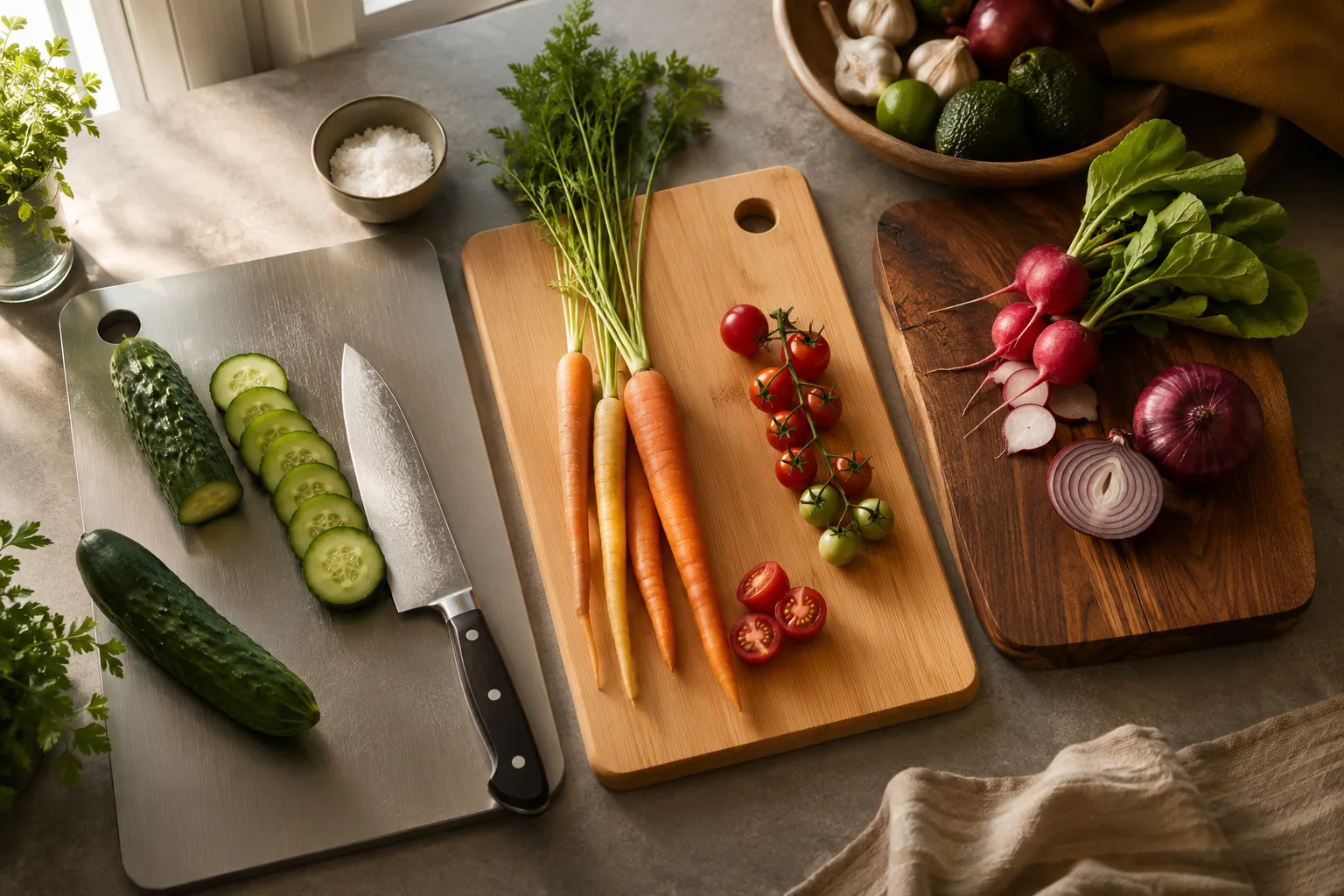
Bamboo sits in the middle of the cutting board hygiene spectrum. It outperforms plastic and softwoods in long-term use, but it cannot match non-porous materials like titanium or glass.
| Material | Porosity | Bacteria Risk | Knife Safety | Maintenance | Lifespan |
|---|---|---|---|---|---|
| Titanium | None | Very Low | Excellent | Minimal | Decades |
| Bamboo | Low-Medium | Moderate | Good | Regular | 1-3 years |
| Hard Maple | Low-Medium | Moderate | Good | Regular | 5-10 years |
| Plastic (HDPE) | Low (new) | High (used) | Poor | Easy | 6-12 months |
| Glass | None | Very Low | Poor | Easy | Years |
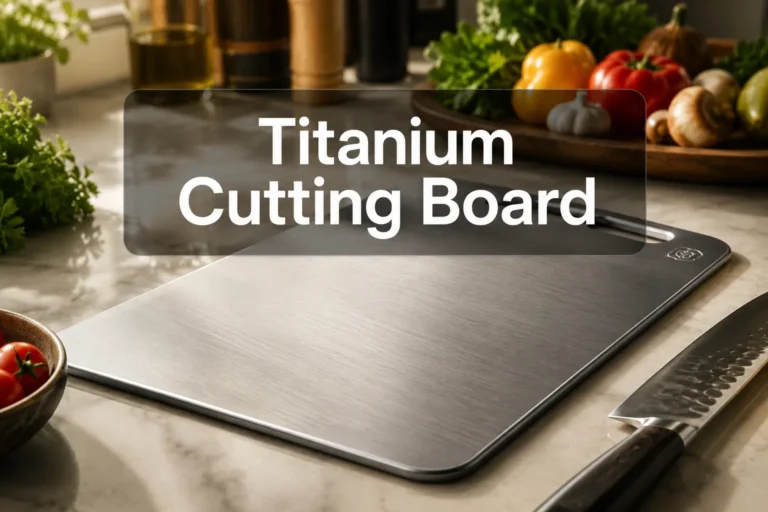
The titanium advantage: A titanium cutting board has no pores, no grooves that hold bacteria, and no organic material that supports microbial growth. It is dishwasher-safe, non-reactive with acidic foods, and does not require oiling. The tradeoff is a higher upfront cost, typically $89 to $179 for a quality board, and a metallic sound during chopping that some cooks find jarring.
Bottom line on materials: Bamboo is a solid mid-tier choice. It is better than plastic and most softwoods, roughly equivalent to hard maple, and clearly below titanium and glass in outright hygiene performance.
What Makes Bamboo Resistant or Susceptible to Bacteria?
Two competing factors determine whether bamboo resists or harbors bacteria: its natural fiber density (which works in its favor) and its organic, porous nature (which works against it).
What makes bamboo resistant:
- Dense fiber structure: Bamboo’s fibers are tightly packed, leaving less open surface area for bacteria to colonize compared to softer woods.
- Fast drying: Bamboo absorbs less moisture than most woods and dries faster, limiting the wet conditions bacteria need.
- Bamboo kun (residual): Some antimicrobial activity from the living plant may persist in finished boards, though this effect is modest and not well-quantified in manufactured products.
What makes bamboo susceptible:
- Knife cuts: Every cut creates a micro-groove. Over time, these grooves accumulate and become the primary bacterial harborage points on any cutting board.
- Moisture retention in grooves: Even if the flat surface dries quickly, moisture trapped in knife cuts takes much longer to evaporate.
- Glue layers in laminated boards: The adhesive lines between bamboo strips can absorb moisture and provide additional bacterial harborage if the glue degrades.
- Improper maintenance: A bamboo board that is not oiled regularly will develop surface cracks that dramatically increase bacterial risk.
Understanding these factors helps you make smarter decisions about how you use and care for your bamboo board. The surface you start with matters less than how you treat it over time.
Conclusion: Actionable Steps for a Bacteria-Free Kitchen
Does bamboo harbor bacteria? The honest answer is yes, under the right conditions, but so does every other cutting board material. Bamboo’s dense fiber structure gives it a genuine advantage over plastic and softwoods, and with proper care, it can be a safe, long-lasting kitchen surface.
Here are the actionable steps to take right now:
- Wash your bamboo board with hot water and dish soap after every use, not just a cold water rinse.
- Stand the board upright to dry after washing. Never lay it flat on a wet counter.
- Use a dedicated board for raw meat and a separate one for produce and cooked foods.
- Oil your board every 3 to 4 weeks with food-grade mineral oil to seal the surface.
- Replace your board when you see deep grooves, persistent odors, or visible mold.
- Skip the bleach. Use white vinegar or 3% hydrogen peroxide for sanitizing instead.
- Consider upgrading to titanium if you want a non-porous, zero-maintenance surface that eliminates bacterial harborage entirely.
Your cutting board is one of the most bacteria-exposed surfaces in your home. Treating it with the same attention you give to other aspects of your health, from what you eat to how you support your body’s natural defenses, is a simple habit with real payoff.
For those interested in how gut bacteria and overall health intersect with daily habits, our guide on gut bacteria vs. enzymes and belly bloat offers useful context. And if you’re exploring how to rebuild your body’s natural defenses from the ground up, our article on rebuilding bone strength naturally covers complementary strategies worth reading.
Frequently Asked Questions
Q: Does bamboo harbor bacteria more than wood?
Bamboo generally harbors less bacteria than softwoods like pine and cherry because its fiber structure is denser and less porous. It performs comparably to hard maple. Proper maintenance matters more than the material itself.
Q: Is bamboo safe for cutting raw chicken?
Yes, but use a dedicated board for raw poultry and wash it immediately with hot water and dish soap after use. Never use the same board for ready-to-eat foods without washing it first.
Q: How do I know if my bamboo cutting board is contaminated?
Persistent odors after washing, visible dark spots or mold in cracks, and deep grooves that cannot be cleaned are the main signs. If in doubt, replace the board.
Q: Does oiling a bamboo board prevent bacteria?
Oiling does not kill bacteria, but it seals the surface, reduces moisture absorption, and prevents the cracking that creates bacterial harborage points. It is an essential part of bamboo board maintenance.
Q: Can I put my bamboo cutting board in the dishwasher?
No. Dishwasher heat and prolonged moisture exposure will warp, crack, and split bamboo boards. Hand wash only.
Q: Is bamboo antibacterial?
Living bamboo contains a natural antimicrobial agent called bamboo kun. However, most of this activity is lost during manufacturing. Finished bamboo boards should not be considered antibacterial.
Q: How long can bacteria survive on a bamboo cutting board?
On a clean, dry bamboo surface, most bacteria die within a few hours due to lack of moisture. In knife cuts or cracks that retain moisture, bacteria can survive for days.
Q: What is the most hygienic cutting board material?
Titanium and glass are the most hygienic because they are fully non-porous and do not develop knife grooves. Among natural materials, dense hardwoods and bamboo perform best.
Q: Can I use hydrogen peroxide to sanitize bamboo?
Yes. A 3% hydrogen peroxide solution is safe for bamboo and effective against common kitchen pathogens. Apply, let sit for two minutes, rinse with hot water, and dry completely.
Q: How often should I oil my bamboo cutting board?
Every 3 to 4 weeks with regular use, or whenever the surface looks dry or dull. Use food-grade mineral oil or a dedicated cutting board conditioner.
Q: Does bamboo harbor bacteria compared to plastic long-term?
Long-term, bamboo is more hygienic than plastic. Plastic develops deep knife grooves quickly that are nearly impossible to clean, while bamboo’s harder surface resists deep cutting. Used plastic boards are consistently rated as higher bacterial risk than well-maintained bamboo.
Q: What is the best way to deodorize a bamboo cutting board?
Scrub the surface with coarse salt and half a lemon, let it sit for 5 minutes, then rinse with hot water and dry completely. This removes odors and provides mild surface sanitizing.
Tags: bamboo cutting board bacteria, does bamboo harbor bacteria, bamboo vs plastic cutting board, how to sanitize bamboo cutting board, bamboo food safety, kitchen hygiene, cutting board bacteria, bamboo antibacterial, food safe cutting boards, kitchen surface safety, bamboo board maintenance, Salmonella cutting board

With over 13 years of experience in holistic health blogging, I aim to help you navigate your wellness journey with honest insights, expert-backed advice, and a sprinkle of real-world practicality.
Certified Wellness Writer | Herbal Nutrition Advocate | Wellness Research Enthusiast