Your First Year on Testosterone

Last updated: August 10, 2026
Quick Answer: Your first year on testosterone therapy involves a predictable sequence of physical, emotional, and hormonal changes that unfold over 3 to 12 months. Most men notice early shifts in energy and libido within the first 4 to 6 weeks, while muscle gain, fat redistribution, and mood stabilization develop gradually over 6 to 12 months. Success depends on medical supervision, consistent dosing, and regular lab monitoring.
Key Takeaways
- Changes during your first year on testosterone follow a rough timeline: early effects appear in weeks 1 to 6, mid-range changes between months 2 and 6, and full effects by months 9 to 12.
- Testosterone therapy is considered safe for most men when prescribed and monitored by a licensed physician.
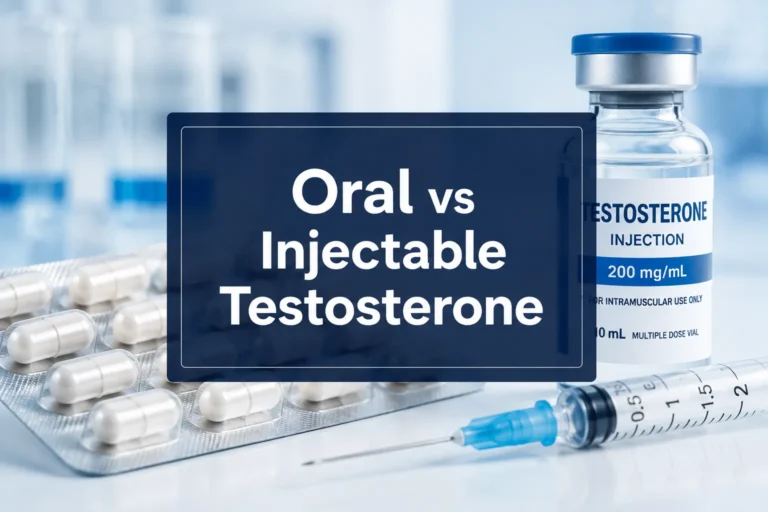
- Common delivery methods include weekly or biweekly injections, daily gels, and patches, each with different absorption profiles.
- Side effects are manageable for most men but require monitoring: hematocrit levels, prostate health, and cardiovascular markers should be checked regularly.
- Mental health improvements, including reduced depression and better focus, are frequently reported, but testosterone is not a substitute for mental health treatment.
- Stopping testosterone after starting requires a medically supervised taper; abrupt discontinuation can cause withdrawal symptoms.
- Cost varies widely: from roughly $30 to $500 per month depending on the delivery method, provider type, and whether insurance is involved.
- Men who don’t respond to therapy should work with their doctor to rule out dosing issues, absorption problems, or underlying conditions.
- Erectile function, prostate health, and cardiovascular risk are the areas most worth discussing with your doctor before starting.
- Consistency and patience are the two most underrated factors in a successful first year.

What Happens the First Month on Testosterone
The first month on testosterone is primarily about your body adjusting to elevated hormone levels, not dramatic visible change. Most men notice increased energy, a stronger libido, and subtle mood shifts within the first two to four weeks. Visible physical changes like muscle growth or fat loss are minimal at this stage.
Here is what typically occurs in weeks 1 through 4:
- Energy and drive: Many men report feeling more alert and motivated within the first two weeks, even before measurable hormonal changes stabilize.
- Libido: Sexual interest often increases noticeably in the first month, sometimes before other effects appear.
- Mood: Some men experience mild emotional fluctuations as hormone levels shift. This usually settles by week 6 to 8.
- Injection site reactions: If using injections, mild soreness or redness at the injection site is common and typically resolves within a day or two.
- Sleep changes: Some men report slightly disrupted sleep early on, particularly with gel or patch formulations applied in the evening.
Common mistake: Expecting dramatic physical transformation in the first four weeks. The first month is a calibration period. Patience here prevents unnecessary dose adjustments too early.
Testosterone Timeline: What to Expect Month by Month
Your first year on testosterone follows a well-documented progression. Changes do not happen all at once, they layer over time, with different systems responding at different rates.
| Timeframe | Changes to Expect |
|---|---|
| Weeks 1 to 4 | Increased libido, improved energy, early mood shifts |
| Months 1 to 3 | Improved erections, early strength gains, possible acne or oily skin |
| Months 3 to 6 | Noticeable muscle development, fat redistribution begins, mood stabilizes |
| Months 6 to 9 | Continued body composition changes, improved bone density markers |
| Months 9 to 12 | Near-peak effects for most men; full metabolic adjustment |
How long does it take to see changes on testosterone? Most men see the first meaningful changes within 4 to 6 weeks, but the full benefit of testosterone therapy typically takes 9 to 12 months to develop. Bone density improvements may take up to 2 years to fully register on a DEXA scan.
Is Testosterone Safe for Beginners
Testosterone therapy is considered safe for most men when prescribed by a licensed physician, properly dosed, and monitored with regular bloodwork. It is not appropriate for everyone, and a thorough medical evaluation is required before starting.
Who is a good candidate:
- Men with clinically confirmed low testosterone (typically below 300 ng/dL on two separate morning tests)
- Men experiencing symptoms such as fatigue, low libido, depression, or reduced muscle mass that are attributable to low testosterone
- Men without active prostate cancer, untreated sleep apnea, or significantly elevated hematocrit
Who should not start without specialist guidance:
- Men with a history of prostate or breast cancer
- Men with uncontrolled heart failure or recent cardiovascular events
- Men trying to conceive (testosterone suppresses sperm production)
If you are also managing erectile dysfunction alongside low testosterone, it is worth reviewing best ED treatment options for men over 60 as part of a broader men’s health conversation with your doctor.
How Do I Know If Testosterone Is Working
You’ll know testosterone is working through a combination of subjective improvements and objective lab results. Relying on either alone is insufficient.
Subjective signs it’s working:
- Sustained energy improvement (not just the first-week “honeymoon” effect)
- Increased motivation and mental clarity
- Stronger and more consistent libido
- Gradual improvement in body composition over 3 to 6 months
Objective markers to track:
- Total testosterone levels (target range varies by lab, but typically 400 to 700 ng/dL for therapeutic benefit)
- Free testosterone (often more clinically relevant than total)
- Hematocrit (should stay below 54%)
- PSA (prostate-specific antigen) for men over 40
Decision rule: If you’ve been on a stable dose for 3 months and your lab values are in range but you still feel no improvement, discuss with your doctor whether free testosterone, estradiol balance, or thyroid function may be the issue.
What Are the Side Effects of Testosterone
Most side effects of testosterone therapy are manageable and dose-dependent. Serious adverse events are uncommon with proper monitoring but not impossible.
Common side effects:
- Acne or oily skin (especially in the first 3 to 6 months)
- Increased red blood cell count (polycythemia), which raises clotting risk if unchecked
- Testicular shrinkage and reduced sperm production
- Fluid retention, particularly in the first few weeks
- Elevated estradiol, which can cause breast tenderness or water retention
Less common but worth monitoring:
- Sleep apnea worsening
- Elevated PSA (requires prostate evaluation)
- Mood swings if estradiol rises too high relative to testosterone
Liver health note: While oral testosterone formulations carry a higher liver burden, injectable and transdermal forms have a much lower hepatic impact. Still, if you have existing metabolic concerns, reading about how to protect your liver from high blood sugar is relevant context for overall metabolic health during therapy.

What Should I Tell My Doctor About Testosterone
Before starting, give your doctor a complete picture of your health. Incomplete disclosure is one of the most common reasons men experience avoidable complications.
Tell your doctor about:
- All current medications, including supplements and herbal products
- Any personal or family history of prostate cancer, blood clots, or cardiovascular disease
- Sleep apnea symptoms (snoring, daytime fatigue, morning headaches)
- Fertility plans, testosterone suppresses sperm production and this effect can persist for months after stopping
- Mental health history, including depression or anxiety
- Alcohol and recreational drug use
Questions to ask your doctor:
- What delivery method is best for my lifestyle?
- How often will I need bloodwork?
- What estradiol management plan do we have if levels rise?
- What is the plan if my hematocrit gets too high?
How Often Do You Need Testosterone Injections or Doses
Dosing frequency depends entirely on the delivery method. Your first year on testosterone will involve finding the method and schedule that best fits your life.
| Delivery Method | Typical Frequency | Notes |
|---|---|---|
| Intramuscular injection (cypionate/enanthate) | Every 7 to 14 days | Most common; stable levels with weekly dosing |
| Subcutaneous injection | Every 3.5 to 7 days | Smaller doses, smoother hormone curve |
| Topical gel | Daily | Convenient but risk of transference to partners/children |
| Transdermal patch | Daily | Good absorption; skin irritation is common |
| Pellet implant | Every 3 to 6 months | Placed under skin; no daily management required |
Edge case: Men who switch from biweekly to weekly injections often report significantly more stable mood and energy, because biweekly dosing creates larger peaks and troughs in serum testosterone.
Testosterone vs. Other Options: What’s the Difference
Testosterone therapy is not the only option for men with low testosterone symptoms. Understanding the alternatives helps you make an informed choice with your doctor.
Alternatives to exogenous testosterone:
- Clomiphene citrate (Clomid): A selective estrogen receptor modulator that stimulates the body’s own testosterone production. Preserves fertility. Better suited for younger men with secondary hypogonadism.
- hCG (human chorionic gonadotropin): Often used alongside testosterone to maintain testicular function and fertility. Not a standalone testosterone replacement.
- Lifestyle optimization: For men with borderline-low testosterone, weight loss, resistance training, sleep improvement, and stress reduction can meaningfully raise levels without medication.
- Addressing root causes: Thyroid disorders, sleep apnea, and obesity all suppress testosterone. Treating these first may resolve symptoms without hormone therapy.
For men whose low testosterone symptoms overlap with erectile dysfunction, it’s worth exploring best compounded ED medication options online as a complementary or alternative approach.
How Much Does Testosterone Cost
Testosterone therapy costs range from roughly $30 to $500 per month in 2026, depending on the method, provider, and insurance status. Generic injectable testosterone cypionate is the most affordable option.
Approximate cost ranges (2026 estimates, uninsured):
- Generic testosterone cypionate (injection): $30 to $80 per month
- Topical gels (brand name): $200 to $500 per month without insurance
- Testosterone pellets: $500 to $1,000 per insertion (every 3 to 6 months)
- Telehealth testosterone programs: $100 to $250 per month, often including consultation and labs
Ways to reduce cost:
- Use generic injectable formulations when medically appropriate
- Check if your insurance covers testosterone for documented hypogonadism
- Use HSA or FSA funds
- Compare telehealth providers, as pricing varies significantly
If you are comparing telehealth men’s health programs more broadly, the Directmax vs Hims erectile dysfunction treatment comparison offers useful context on how these platforms structure their pricing and services.
Testosterone and Mental Health: What to Know
Testosterone has a measurable impact on mood, motivation, and cognitive function. For men with clinically low testosterone, therapy often produces meaningful mental health improvements, but it is not a psychiatric treatment.
What the evidence generally supports:
- Reduced depressive symptoms in men with confirmed hypogonadism (this is well-documented in endocrinology literature, though individual results vary)
- Improved motivation, focus, and mental energy
- Reduced irritability once hormone levels stabilize
What testosterone does not replace:
- Psychotherapy or antidepressants for clinical depression
- Anxiety treatment
- Addiction support
Important nuance: Some men experience mood instability during the first 6 to 8 weeks as hormone levels fluctuate before stabilizing. This is not a sign that therapy is failing, it’s a sign that the dose or delivery method may need adjustment.
If mental clarity and cognitive support are a priority alongside testosterone therapy, some men explore nootropic supplements as adjuncts. Neuro Sharp reviews and complaints is one resource worth reviewing if cognitive support is part of your health goals.
Can You Stop Testosterone After Starting
You can stop testosterone therapy, but it should be done under medical supervision with a planned taper, not abruptly. Stopping suddenly causes a significant drop in testosterone levels that can produce withdrawal-like symptoms.
What happens when you stop:
- Testosterone levels drop, often below pre-treatment baseline for several weeks to months
- Fatigue, low mood, reduced libido, and brain fog are common
- Natural testosterone production resumes over weeks to months, depending on how long you were on therapy and your age
- Fertility (sperm production) may take 3 to 12 months to recover, sometimes longer
Decision rule: If you want to stop because therapy isn’t working, first rule out dosing issues, absorption problems, or elevated estradiol before discontinuing. Many men who “failed” testosterone therapy were simply underdosed or had unmanaged estradiol.
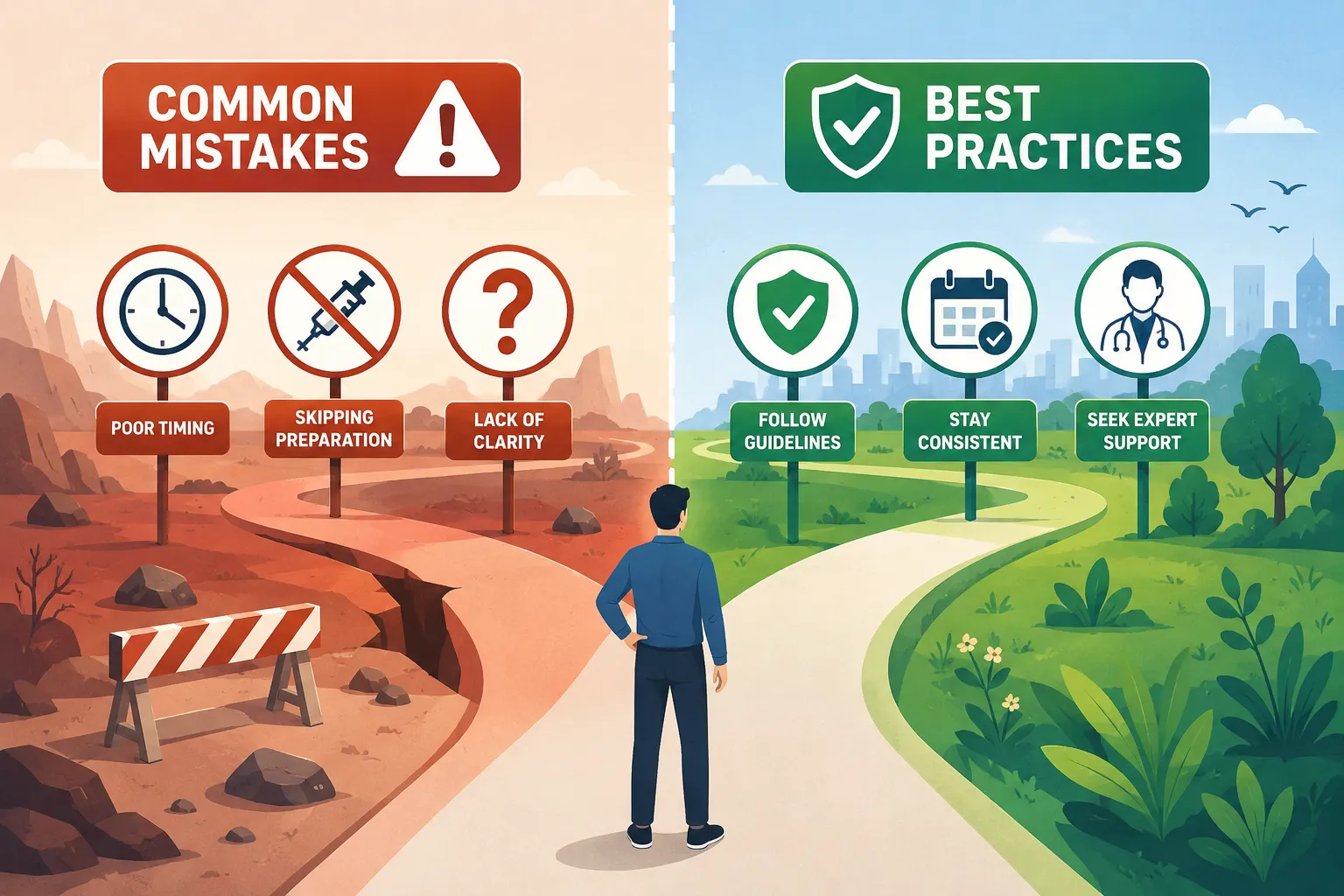
Common Mistakes People Make Starting Testosterone
The most common mistakes in your first year on testosterone are impatience, inconsistency, and skipping lab work. These three issues account for the majority of poor outcomes.
Top mistakes to avoid:
- Skipping bloodwork, Labs at 6 to 8 weeks and again at 3 months are non-negotiable. Unmonitored therapy is how side effects become serious problems.
- Adjusting the dose too early, Changing doses before 8 to 12 weeks prevents you from seeing the true effect of the starting dose.
- Ignoring estradiol, Rising estrogen is a common cause of mood swings, water retention, and reduced libido on testosterone. It needs to be measured and managed.
- Using inconsistent injection timing, Irregular dosing creates peaks and troughs that cause mood and energy instability.
- Expecting testosterone to fix everything, Sleep, diet, exercise, and stress management all affect how well therapy works. Testosterone amplifies a healthy lifestyle; it doesn’t replace one.
- Not disclosing all supplements, Some supplements (high-dose zinc, DHEA, certain herbal products) interact with hormone levels and can skew lab results.
What If Testosterone Doesn’t Work for Me
If testosterone therapy isn’t producing expected results after 3 to 6 months on a stable, adequate dose, the problem is usually one of four things: insufficient dose, poor absorption, elevated estradiol, or an underlying condition that testosterone alone cannot address.
Troubleshooting steps:
- Check free testosterone, not just total, Many men have normal total testosterone but low free testosterone due to high SHBG (sex hormone-binding globulin).
- Review estradiol levels, High estradiol blunts the effects of testosterone therapy significantly.
- Assess absorption, Gels have variable absorption; switching to injections often resolves this.
- Rule out thyroid dysfunction, Hypothyroidism produces symptoms nearly identical to low testosterone and will not respond to testosterone therapy.
- Evaluate sleep, Untreated sleep apnea suppresses testosterone and negates therapy benefits.
If bone health is a concern alongside testosterone therapy, particularly for men with osteopenia, the guide on how to reverse bone loss naturally without waiting for a fracture covers complementary strategies worth discussing with your doctor.
Do I Need to Do Anything Special While on Testosterone
Yes. Your first year on testosterone requires active participation, not just taking a prescription. Several lifestyle and monitoring practices significantly affect outcomes.
What to do consistently:
- Schedule labs every 3 to 6 months, At minimum: total and free testosterone, estradiol, hematocrit, PSA (if over 40), and a basic metabolic panel.
- Donate blood if hematocrit rises, Therapeutic phlebotomy (blood donation) is a safe and effective way to manage elevated red blood cell counts.
- Maintain resistance training, Testosterone amplifies muscle protein synthesis, but only when paired with progressive resistance exercise.
- Monitor sleep quality, Testosterone can worsen sleep apnea. If your partner reports new or worsening snoring, get evaluated.
- Protect your partner from gel transference, If using a topical gel, cover the application site and wash hands thoroughly before skin-to-skin contact.
- Eat for metabolic health, Testosterone improves insulin sensitivity, but diet still matters. Managing blood sugar is especially relevant for men with metabolic syndrome.
Frequently Asked Questions
How quickly does testosterone start working?
Most men notice early effects, increased energy and libido, within 2 to 4 weeks. Visible physical changes like muscle growth and fat redistribution typically take 3 to 6 months on a stable dose.
Does testosterone therapy cause permanent infertility?
No, but it suppresses sperm production significantly. Fertility usually recovers within 3 to 12 months after stopping, though recovery time varies. Men who want to preserve fertility should discuss hCG co-administration before starting.
What is a normal testosterone level for a man?
Most labs define the normal range as approximately 300 to 1,000 ng/dL for adult men. Therapeutic targets on TRT typically fall between 400 and 700 ng/dL, though optimal levels vary by individual and symptom response.
Can I drink alcohol while on testosterone?
Moderate alcohol consumption is generally not contraindicated, but heavy drinking suppresses testosterone production, impairs liver function, and worsens sleep quality, all of which undermine therapy outcomes.
Will testosterone cause hair loss?
Testosterone converts to dihydrotestosterone (DHT), which can accelerate male pattern baldness in men who are genetically predisposed. It does not cause hair loss in men without the genetic susceptibility.
How do I store testosterone injections at home?
Testosterone cypionate and enanthate vials should be stored at room temperature (between 68 and 77 degrees Fahrenheit), away from light and moisture. Do not refrigerate unless the label specifies.
Is telehealth testosterone therapy legitimate?
Yes, many telehealth platforms prescribe testosterone legally through licensed physicians following standard diagnostic protocols. Quality varies by provider, look for platforms that require bloodwork before prescribing and include ongoing lab monitoring.
Can testosterone therapy improve bone density?
Yes. Testosterone plays a direct role in bone mineral density. Men with hypogonadism often have reduced bone density, and therapy has been shown to improve this over 12 to 24 months with consistent treatment.
What is the difference between testosterone cypionate and enanthate?
Both are injectable testosterone esters with nearly identical effects. Cypionate has a slightly longer half-life (8 days vs. 7 days for enanthate), but the clinical difference is minimal. Availability and cost are often the deciding factors.
Do I need an estrogen blocker on testosterone?
Not automatically. Some men aromatize testosterone to estradiol at a higher rate than others. Estrogen management (typically with anastrozole or similar agents) should be based on lab results and symptoms, not used prophylactically.
Conclusion
Your first year on testosterone is a gradual, measurable process, not an overnight transformation. The men who get the most from therapy are those who start with a thorough medical evaluation, commit to regular monitoring, and pair treatment with consistent exercise and healthy habits.
Actionable next steps:
- Get two morning total testosterone tests at least a week apart to confirm a clinical diagnosis.
- Find a physician or telehealth provider who requires baseline bloodwork before prescribing.
- Choose a delivery method that fits your lifestyle and discuss monitoring frequency before your first dose.
- Schedule your 6-week and 3-month labs before you even start, this keeps you accountable.
- If erectile function is also a concern, explore best online ED consultation and treatment programs as part of a broader men’s health strategy.
Testosterone therapy works best as one component of a well-managed health plan. Work with your doctor, stay consistent, and give it the full year before drawing conclusions.