best vitamins for joint pain
Last updated: May 29, 2026
Quick Answer: The best vitamins for joint pain include Vitamin D, Vitamin C, Omega-3 fatty acids, turmeric (curcumin), Boswellia, glucosamine, and chondroitin. These nutrients target inflammation, support cartilage repair, and help restore mobility — especially for adults over 50 dealing with arthritis, knee pain, hip stiffness, or chronic back pain. Results typically begin within 4–12 weeks of consistent use.
If you’ve been waking up stiff, wincing on the stairs, or quietly giving up the activities you love — gardening, traveling, playing with your grandchildren — you already know that joint pain is more than physical. It chips away at your confidence, your independence, and your joy. The good news is that the right combination of natural nutrients can make a real difference, and understanding which are the best vitamins for joint pain is the first step toward moving freely again.
Key Takeaways
- Vitamin D deficiency is directly linked to increased joint pain and inflammation in adults over 50.
- Curcumin (the active compound in turmeric) has strong clinical evidence for reducing arthritis-related inflammation.
- Glucosamine and chondroitin work differently but complement each other for cartilage support.
- Most quality joint supplements cost between $30–$70 per month — far less than injections or co-pays.
- Natural supplements generally have fewer side effects than long-term NSAID use, but always check with your doctor.
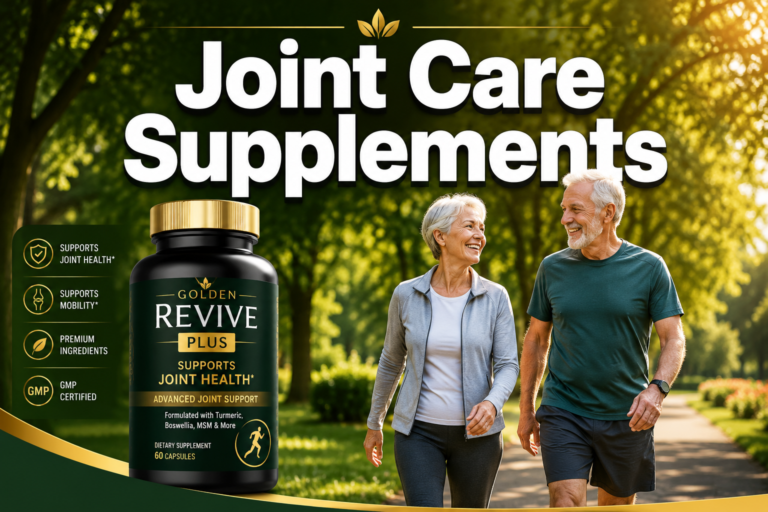
- Doctor-formulated products like Golden Revive Plus combine multiple evidence-backed ingredients in one formula.
- Most people notice meaningful improvement within 6–8 weeks of consistent supplementation.
- Vegans can find effective joint supplements — just look for algae-based Omega-3 and plant-sourced Vitamin D3.
- Diet, gentle movement, and sleep quality all amplify the benefits of joint vitamins.
- Ignoring joint pain and waiting for it to “go away” is the most common and costly mistake people make.
What Causes Joint Pain in the First Place?
Joint pain in adults over 50 is most commonly caused by inflammation, cartilage breakdown, and nutritional deficiencies that accumulate over decades. When the protective cartilage between your bones wears thin — as happens with osteoarthritis — bones begin to rub together, triggering pain, swelling, and stiffness.
Common root causes include:
- Osteoarthritis — gradual cartilage erosion, especially in knees, hips, and spine
- Rheumatoid arthritis — an autoimmune condition causing chronic joint inflammation
- Vitamin D and Magnesium deficiencies — both weaken bone density and increase pain sensitivity
- Chronic low-grade inflammation — driven by poor diet, inactivity, and excess body weight
- Previous injuries — old sports injuries or accidents that resurface with age
- Reduced synovial fluid — the natural lubricant inside joints decreases as we age
Understanding the root cause matters because it determines which nutrients will help most. Many people treat only the symptom (pain) rather than the underlying inflammation and cartilage loss — and that’s exactly why they stay stuck in a cycle of temporary relief.
Which Vitamins Actually Help Reduce Inflammation?
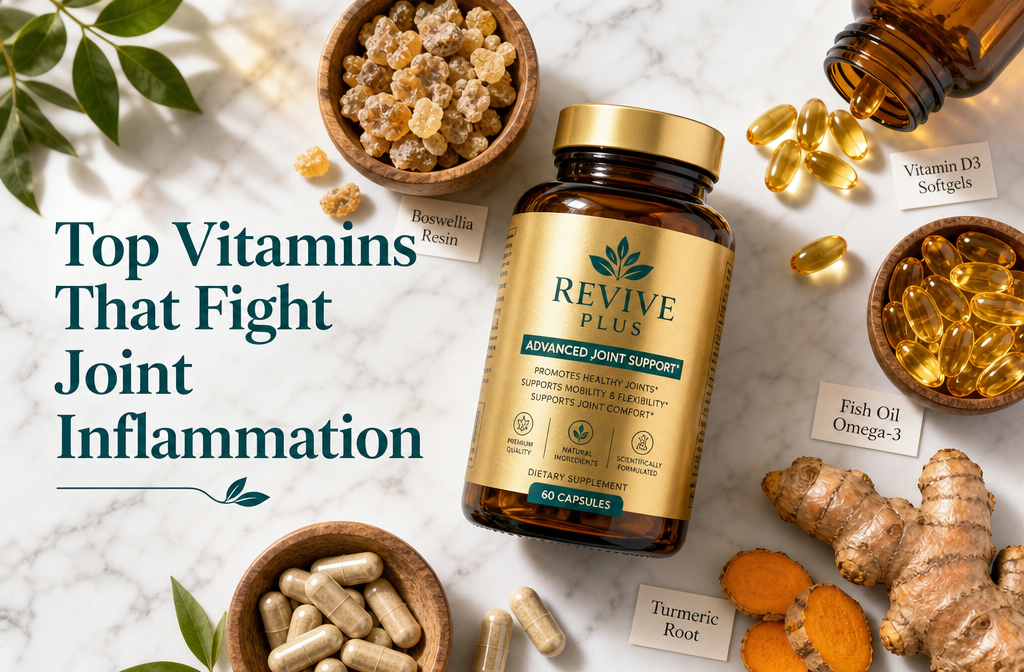
Several vitamins and natural compounds have solid research behind them for reducing joint inflammation. These aren’t just trendy wellness ingredients — they address the biological processes driving your pain.
| Nutrient | Primary Benefit | Best For |
|---|---|---|
| Curcumin (Turmeric) | Blocks inflammatory enzymes (COX-2) | Arthritis, general joint inflammation |
| Vitamin D3 | Regulates immune response, reduces pain signals | Deficiency-related joint pain |
| Omega-3 Fatty Acids | Reduces inflammatory cytokines | Rheumatoid arthritis, stiffness |
| Boswellia Serrata | Inhibits leukotriene formation | Knee pain, osteoarthritis |
| Vitamin C | Supports collagen synthesis | Cartilage repair, tendon health |
| Magnesium | Reduces muscle tension around joints | Back pain, hip stiffness |
| Quercetin | Antioxidant, anti-inflammatory | Systemic inflammation |
Curcumin is arguably the most researched natural anti-inflammatory available. Studies published in peer-reviewed journals, including research cited by the Arthritis Foundation, confirm that curcumin can reduce joint pain and stiffness comparably to low-dose NSAIDs — without the gastrointestinal side effects. The key is bioavailability: standard turmeric powder absorbs poorly, so look for formulas with piperine (black pepper extract) or phospholipid complexes.
Boswellia serrata works by a different mechanism — it inhibits 5-LOX, an enzyme that drives inflammatory leukotrienes. Research published in Phytomedicine found that Boswellia extract significantly reduced knee pain and improved physical function in patients with osteoarthritis within 8 weeks.
💬 “The right nutrients don’t just mask pain — they help your body repair the damage that’s been building for years.”
Ready to feel the difference? Try Golden Revive Plus — a doctor-formulated blend of curcumin, Boswellia, and 6 other proven joint nutrients.
Which Vitamins Work Best for Arthritis Specifically?
For arthritis — whether osteoarthritis or rheumatoid — the best vitamins for joint pain target both inflammation and structural repair. No single nutrient does everything, which is why combination formulas tend to outperform single-ingredient supplements.
For osteoarthritis:
- Glucosamine sulfate (supports cartilage matrix)
- Chondroitin sulfate (retains water in cartilage, reducing friction)
- Curcumin (reduces inflammatory flare-ups)
- Boswellia (improves joint function scores)
- Vitamin D3 (deficiency worsens OA progression)
For rheumatoid arthritis:
- Omega-3 fatty acids (EPA and DHA reduce inflammatory cytokines)
- Vitamin E (antioxidant protection against joint tissue damage)
- Selenium (supports immune regulation)
- Vitamin D3 (immune modulation)
A study published in Annals of the Rheumatic Diseases found that Omega-3 supplementation reduced the need for anti-inflammatory drugs in rheumatoid arthritis patients over 12 months. This is meaningful for anyone trying to reduce their dependence on medications.
For comprehensive support across both types of arthritis, explore the top-rated supplements for joint discomfort that combine these key nutrients.
Difference Between Glucosamine and Chondroitin Supplements
Glucosamine and chondroitin are often sold together, but they work differently. Glucosamine is a building block your body uses to produce cartilage. Chondroitin helps cartilage retain water, making it more cushioning and resilient. Together, they address both cartilage production and maintenance.
Choose glucosamine alone if: You’re in early-stage joint wear and want to support cartilage rebuilding.
Choose the combination if: You have moderate-to-severe osteoarthritis with noticeable stiffness and reduced range of motion.
Important note: Glucosamine is often derived from shellfish. If you have a shellfish allergy, look for corn-derived or synthetic glucosamine hydrochloride. Chondroitin is typically sourced from bovine or shark cartilage, so vegans will want to seek plant-based alternatives or skip this specific compound.
The large-scale GAIT trial (funded by the NIH) found that the glucosamine-chondroitin combination provided meaningful pain relief for a subset of patients with moderate-to-severe knee osteoarthritis — though results varied. This is why pairing these with anti-inflammatory nutrients like curcumin and Boswellia tends to produce better overall outcomes.
Can I Take Joint Vitamins If I’m Over 50?
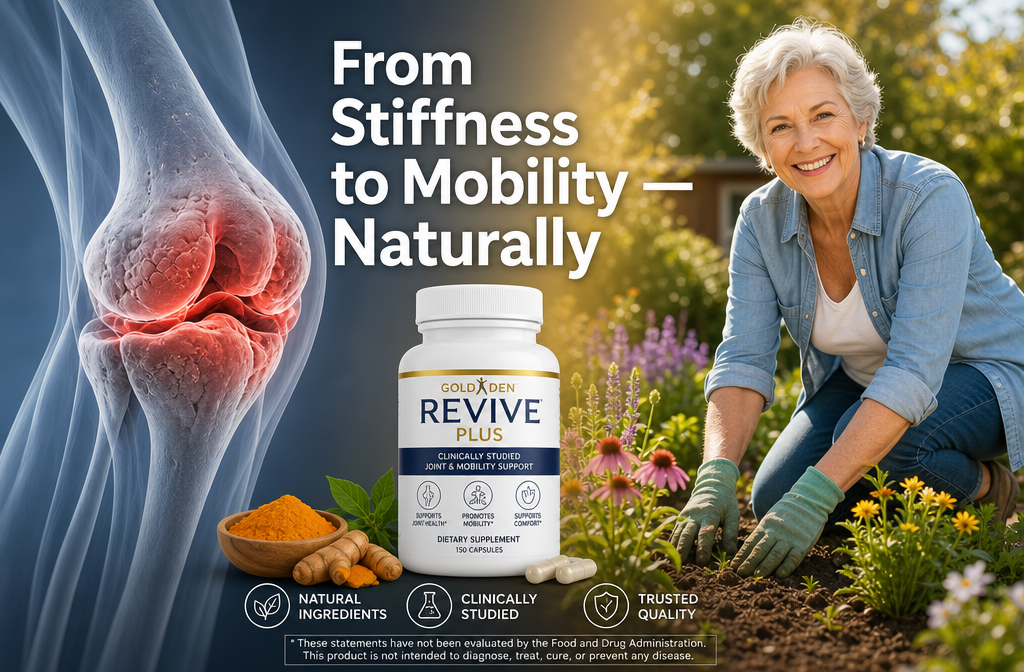
Yes — adults over 50 are actually the primary target population for joint health supplements, and most are safe for long-term use. In fact, after 50, natural cartilage repair slows significantly, Vitamin D absorption decreases, and inflammation tends to become more chronic. This is precisely when targeted supplementation becomes most valuable.
A few practical guidelines for adults over 50:
- Always check with your doctor if you take blood thinners (Omega-3 and Boswellia can have mild blood-thinning effects)
- Start with one supplement at a time if you’re sensitive to new products
- Look for formulas without unnecessary fillers, artificial colors, or high doses of fat-soluble vitamins (A, E, K) that can accumulate
- Vitamin D3 is best taken with a meal containing fat for optimal absorption
If you’re managing multiple health conditions — diabetes, heart disease, or kidney issues — a quick conversation with your doctor before starting any new supplement is always worth it. For most healthy adults over 50, the risk profile of quality joint vitamins is very low compared to long-term NSAID use.
Don’t let another morning go by in unnecessary pain. Start supporting your joints naturally with Golden Revive Plus today.
Are Natural Supplements Better Than Prescription Meds for Joint Pain?
Natural supplements and prescription medications serve different roles, and the honest answer is: it depends on severity. For mild-to-moderate joint pain and stiffness, natural supplements can be highly effective with significantly fewer risks. For severe, rapidly progressing inflammatory arthritis, prescription medications may be necessary — at least initially.
Where natural supplements have a clear advantage:
- Long-term safety profile (no gastric bleeding risk like NSAIDs)
- Address root causes (inflammation, cartilage health) rather than just numbing pain
- Support overall health, not just joint symptoms
- No addiction or dependency risk
- Generally more affordable over time
Where prescription meds may still be needed:
- Acute flare-ups requiring fast relief
- Autoimmune-driven arthritis requiring disease-modifying drugs
- Post-surgical recovery
Many people find that starting a quality joint supplement allows them to gradually reduce their reliance on over-the-counter painkillers. That’s not a promise — it’s a pattern reported consistently by people who commit to a full 8–12 week trial of evidence-backed nutrients.
For a deeper look at bone and joint health resources, visit the bone and joint health category for more guides and supplement reviews.
How Quickly Do Joint Health Vitamins Start Working?
Most people begin noticing improvement between 4 and 8 weeks, with more significant changes by 12 weeks of consistent daily use. Unlike painkillers that work within hours, joint vitamins work by gradually reducing inflammation, rebuilding cartilage, and improving joint lubrication — processes that take time.
Realistic timeline:
- Weeks 1–2: Some people notice reduced morning stiffness and slightly better sleep
- Weeks 3–4: Mild reduction in daily aching; easier movement on good days
- Weeks 6–8: Noticeable improvement in flexibility, less reliance on pain relievers
- Weeks 10–12: Meaningful improvement in mobility, comfort during activity
Common mistake: Stopping too early. Many people quit after 2–3 weeks because they don’t feel an immediate dramatic change. Joint repair is a slow, cumulative process. Consistency is the single biggest factor in whether supplements work.
How Much Do Good Joint Health Supplements Cost?
Quality joint health supplements typically cost between $30 and $70 per month for a single product, or $50–$100 for comprehensive multi-ingredient formulas. This is significantly less than regular co-pays for injections, physical therapy sessions, or prescription medications.
Cost comparison (monthly estimates):
- Basic glucosamine/chondroitin: $20–$35
- Standalone curcumin with piperine: $25–$45
- Comprehensive doctor-formulated formula (e.g., Golden Revive Plus): $49–$79
- Cortisone injection (co-pay): $50–$150+ per shot
- Physical therapy session: $75–$150 per visit
When you factor in the cost of ongoing pain management — medications, doctor visits, lost activity — investing in a quality daily supplement is often the most cost-effective long-term strategy.
Common Mistakes People Make When Treating Joint Pain
The most common mistake is treating joint pain reactively — reaching for a painkiller when it flares, then ignoring it when it quiets down. This approach never addresses the underlying inflammation and cartilage breakdown.
Other frequent mistakes:
- Choosing the cheapest supplement — Low-cost formulas often use poor-quality ingredients with low bioavailability. Curcumin without piperine, for example, absorbs at a fraction of the rate.
- Expecting overnight results — Joint repair takes weeks. Quitting after 10 days means you never gave the supplement a fair chance.
- Ignoring Vitamin D — Up to 40% of adults over 50 are Vitamin D deficient (per estimates from endocrinology research), yet it’s one of the most impactful nutrients for joint and bone health.
- Staying completely sedentary — Rest feels safe, but gentle movement actually pumps synovial fluid into joints and slows cartilage deterioration.
- Relying solely on supplements — Diet matters too. A diet high in processed foods and sugar actively fuels the inflammation your supplements are trying to reduce.
If you’re also dealing with nerve-related discomfort alongside joint pain, see our guide to best nerve health supplements for neuropathy relief for complementary support options.
Are There Any Side Effects From Taking Joint Health Supplements?
Most joint health supplements are well-tolerated, but a few considerations apply. Curcumin can cause mild digestive upset at high doses. Glucosamine may slightly affect blood sugar in people with diabetes (consult your doctor). Omega-3s at very high doses can thin the blood. Boswellia is generally very well tolerated.
Who should be extra cautious:
- People on blood thinners (warfarin, aspirin therapy)
- Diabetics taking glucosamine
- Anyone with shellfish allergies using shellfish-derived glucosamine
- Pregnant or breastfeeding women (most joint supplements are not studied in pregnancy)
For the vast majority of healthy adults over 50, side effects from quality joint supplements are rare and mild compared to the well-documented risks of long-term NSAID use, including stomach ulcers, kidney stress, and cardiovascular effects.
What Do Doctors Recommend for Joint Pain Relief?
Most integrative medicine physicians and rheumatologists recommend a multi-pronged approach: anti-inflammatory nutrition, targeted supplementation, gentle exercise, and weight management. Prescription medications are typically reserved for moderate-to-severe cases or when conservative approaches haven’t provided enough relief.
What doctors commonly suggest for natural joint support:
- Curcumin/Boswellia combination (strong evidence base)
- Vitamin D3 testing and supplementation if deficient
- Omega-3 fatty acids (EPA/DHA) from fish oil or algae
- Glucosamine sulfate for cartilage support
- Anti-inflammatory dietary changes (Mediterranean-style eating)
- Low-impact exercise: swimming, walking, cycling, yoga
Doctor-formulated supplements that combine several of these ingredients — like Golden Revive Plus — are increasingly recommended because they deliver synergistic benefits in a single daily dose without the guesswork of stacking multiple individual supplements.
💬 “You deserve to wake up without dreading the first steps out of bed. Natural support, done right, can give that back to you.”
Your joints have been waiting long enough. Give them the natural support they deserve — try Golden Revive Plus now.
Alternatives to Taking Vitamin Supplements for Joint Health
Supplements are one tool, not the only tool. Several non-supplement strategies meaningfully support joint health and work best when combined with targeted nutrition.
- Anti-inflammatory diet: The Mediterranean diet — rich in olive oil, fatty fish, leafy greens, and berries — reduces systemic inflammation and supports joint health over time.
- Low-impact exercise: Swimming, water aerobics, tai chi, and walking maintain joint mobility without excessive wear.
- Weight management: Every pound of body weight adds roughly 4 pounds of pressure on the knees. Even modest weight loss produces noticeable joint relief.
- Ergonomic support: A quality supportive pillow for neck and back pain can reduce overnight joint stress. See our review of the Derila Ergo Pillow for back and neck pain for one option.
- Heat and cold therapy: Alternating heat (for stiffness) and cold (for acute inflammation) provides drug-free daily relief.
- Physical therapy: A trained PT can teach movement patterns that protect joints and reduce pain long-term.
The best outcomes come from combining these lifestyle strategies with the right nutritional support — not choosing one over the other.
Can Vegans Find Good Joint Health Supplements?
Yes — vegans can absolutely find effective joint health supplements, though they need to read labels carefully. Several key joint nutrients are typically animal-derived, but plant-based alternatives exist.
Vegan-friendly options:
- Omega-3s: Choose algae-based DHA/EPA instead of fish oil — it’s the same source fish get their Omega-3s from, just without the middleman.
- Vitamin D3: Look for lichen-derived D3 (cholecalciferol), which is vegan and equally effective.
- Curcumin and Boswellia: Both are plant-derived and fully vegan.
- Glucosamine: Corn-derived or fermentation-based glucosamine is available as a vegan alternative to shellfish-sourced versions.
- Quercetin and Vitamin C: Both are naturally plant-derived.
What to avoid as a vegan: Standard glucosamine (shellfish), standard chondroitin (bovine/shark), and gelatin capsules. Look for vegetable capsules and certified vegan labeling.

Conclusion: Your Path Back to Moving Freely Starts Now
Joint pain doesn’t have to define the next chapter of your life. Whether you’re dealing with arthritic knees, a stiff lower back, aching hips, or the general morning stiffness that seems to get worse every year — the right natural nutrients can make a genuine, meaningful difference.
The best vitamins for joint pain work not by masking discomfort, but by addressing the inflammation and structural breakdown underneath it. Curcumin, Boswellia, Vitamin D3, Omega-3s, glucosamine, and chondroitin each play a specific role — and when combined in a well-formulated product, their effects multiply.
Your actionable next steps:
- Get your Vitamin D level tested at your next doctor’s visit — deficiency is common and easy to correct.
- Start an anti-inflammatory diet this week: more fish, olive oil, leafy greens; less sugar and processed food.
- Choose a doctor-formulated multi-ingredient supplement rather than individual compounds — it’s more convenient and often more effective.
- Commit to 8–12 weeks of consistent daily use before evaluating results.
- Add gentle movement — even a 15-minute daily walk helps pump nutrients into your joints.
If you’re ready to stop managing pain and start actually recovering from it, Golden Revive Plus is one of the most complete, doctor-formulated natural joint support supplements available in 2026. It combines curcumin, Boswellia, and six other evidence-backed ingredients designed specifically to support flexibility, reduce stiffness, and help you move the way you want to move.
You deserve to garden again. To travel without dreading the walk from the gate. To get down on the floor and play with your grandchildren without paying for it the next morning.
That life is still possible — and it may be closer than you think.
👉 Try Golden Revive Plus and take your first step toward pain-free living today.
Frequently Asked Questions
What are the best vitamins for joint pain in seniors?
The best vitamins for joint pain in seniors include Vitamin D3, curcumin (turmeric), Boswellia serrata, Omega-3 fatty acids, glucosamine sulfate, chondroitin, and Vitamin C. These nutrients work together to reduce inflammation, support cartilage repair, and improve joint mobility — all critical needs for adults over 60.
How long does it take for joint supplements to work?
Most people notice initial improvements within 4–6 weeks, with more significant results by 10–12 weeks of consistent daily use. Joint repair is a gradual biological process, not an overnight fix. Stopping too early is the most common reason people conclude supplements “don’t work.”
Can I take turmeric every day for joint pain?
Yes, turmeric (specifically curcumin) is safe for daily use for most adults. For meaningful anti-inflammatory effects, look for a standardized curcumin extract with piperine or a phospholipid delivery system, as plain turmeric powder has very low bioavailability. Typical effective doses range from 500–1,500 mg of curcumin extract daily.
Is Vitamin D good for joint pain?
Yes. Vitamin D deficiency is strongly associated with increased joint pain, muscle weakness, and accelerated cartilage loss. Correcting a deficiency with Vitamin D3 supplementation (typically 1,000–4,000 IU daily, depending on blood levels) can meaningfully reduce joint discomfort, especially in people who are deficient.
What is the best natural supplement for knee pain?
For knee pain specifically, the combination of curcumin, Boswellia, glucosamine, and chondroitin has the strongest evidence base. Boswellia in particular has shown notable results for knee osteoarthritis in clinical studies. A comprehensive formula like Golden Revive Plus that includes these ingredients together is a practical, well-supported choice.
Are joint supplements safe to take with blood pressure medication?
Most joint supplements are safe alongside blood pressure medications, but Omega-3 fatty acids and Boswellia can have mild blood-pressure-lowering effects. Always inform your prescribing doctor about any supplements you’re taking so they can monitor for interactions.
Does Omega-3 help with joint pain?
Yes. Omega-3 fatty acids (EPA and DHA) reduce the production of inflammatory prostaglandins and cytokines that drive joint pain and swelling. They’re particularly beneficial for rheumatoid arthritis and general inflammatory joint conditions. Algae-based Omega-3 is an effective vegan alternative to fish oil.
What foods make joint pain worse?
Foods that consistently worsen joint inflammation include refined sugar, white flour, processed meats, fried foods, excessive alcohol, and vegetable oils high in Omega-6 fatty acids (corn, soybean, sunflower oil). Reducing these while increasing anti-inflammatory foods amplifies the benefits of joint supplements.
Is Golden Revive Plus a good joint supplement?
Golden Revive Plus is a doctor-formulated joint support supplement that combines curcumin, Boswellia, and other evidence-backed ingredients designed to reduce inflammation, support cartilage health, and improve mobility. It’s formulated for adults over 50 who want a natural, comprehensive approach to joint comfort without relying on painkillers.
Can joint pain be reversed naturally?
While severe structural damage (like bone-on-bone arthritis) cannot be fully reversed without medical intervention, the inflammation, stiffness, and functional limitations associated with joint pain can often be significantly reduced through natural supplementation, diet, and movement. Many people experience a dramatic improvement in quality of life without surgery or prescription drugs.
Medical References
Arthritis Foundation — Curcumin and its role in reducing joint inflammation and arthritis symptoms. Available at arthritis.org
Phytomedicine Journal — Clinical study on Boswellia serrata extract for knee osteoarthritis pain and physical function. Available at sciencedirect.com/journal/phytomedicine
Annals of the Rheumatic Diseases — Research on Omega-3 fatty acid supplementation and reduced need for anti-inflammatory drugs in rheumatoid arthritis. Available at ard.bmj.com
National Institutes of Health (NIH) — Office of Dietary Supplements — Vitamin D fact sheet for health professionals, including its role in musculoskeletal health. Available at ods.od.nih.gov
Journal of Medicinal Food — Review of glucosamine and chondroitin sulfate for osteoarthritis management and cartilage support. Available at liebertpub.com/journal/jmf
Tags: best vitamins for joint pain, joint pain relief, arthritis supplements, glucosamine chondroitin, turmeric for joints, Boswellia serrata, vitamin D joint health, omega-3 inflammation, natural joint support, joint health over 50, Golden Revive Plus, knee pain relief