best supplements for joint pain
Last updated: May 29, 2026
Quick Answer: The best supplements for joint pain in 2026 include glucosamine, chondroitin, turmeric (curcumin), Boswellia, collagen, and omega-3 fatty acids. These ingredients have the strongest evidence for reducing inflammation, easing stiffness, and supporting cartilage health — especially in adults over 50. Results typically take 4 to 12 weeks of consistent use, and quality matters enormously between brands.
Key Takeaways
- Glucosamine and chondroitin are the most studied joint supplements and may slow cartilage breakdown over time.
- Curcumin (from turmeric) and Boswellia are the most powerful natural anti-inflammatory ingredients for joint comfort.
- Collagen peptides support cartilage structure differently from glucosamine — both can be used together.
- Most people over 50 notice meaningful improvement within 6 to 12 weeks of consistent supplementation.
- Quality, dosage, and bioavailability vary widely between brands — cheap products often deliver poor results.
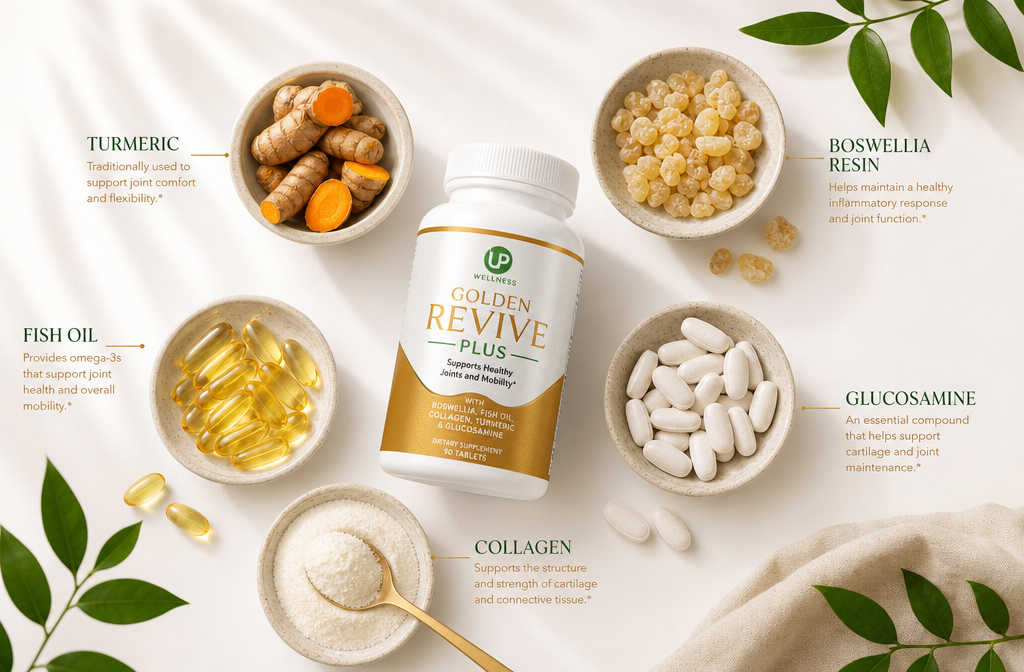
- Golden Revive Plus is a doctor-formulated supplement that combines several of these key ingredients in clinically relevant doses.
- Always check for drug interactions before starting any new supplement, especially if you take blood thinners or diabetes medication.
- Diet, gentle movement, and weight management amplify the benefits of joint supplements significantly.
What Actually Causes Joint Pain in the First Place?
Joint pain in adults over 50 is almost always driven by a combination of cartilage breakdown, chronic low-grade inflammation, and reduced synovial fluid. It’s rarely just “wear and tear” — the underlying biology is more complex, and that’s actually good news because it means targeted nutrition can make a real difference.
Here’s what’s happening inside your joints:
- Cartilage erosion: The cushioning between your bones gradually thins, especially in the knees, hips, and spine. Once cartilage is gone, bone rubs against bone.
- Chronic inflammation: Your immune system sends inflammatory signals to damaged joints, causing swelling, heat, and pain that can feel worse in the morning or after rest.
- Reduced synovial fluid: This natural lubricant decreases with age, making joints feel stiff and “crunchy.”
- Muscle weakness: Weaker muscles around a joint put more stress on the joint itself, accelerating damage.
“Most joint pain isn’t a single problem — it’s a cascade. Address the inflammation and the structural support together, and you get far better results than treating either alone.”
For adults dealing with knee pain, hip pain, or back stiffness, understanding this cascade is the first step toward choosing supplements that target the right mechanisms. You can also explore our guide on why you shouldn’t ignore aching joints or weak bones for more on the long-term risks of untreated joint decline.
Can Supplements Really Help Joint Pain, or Is It Just Marketing?
Yes, certain supplements genuinely help — but not all of them, and not all brands. The evidence is strongest for curcumin, Boswellia, glucosamine sulfate, and omega-3s. Weaker or poorly absorbed formulas often disappoint, which is why so many people try one product, feel nothing, and conclude “supplements don’t work.”
What the research actually shows:
- Curcumin has been studied extensively for its ability to inhibit inflammatory pathways (specifically NF-κB), with multiple trials showing reduced joint pain scores in osteoarthritis patients.
- Boswellia serrata extract has shown statistically significant reductions in knee pain and improved function in clinical trials within 4 to 8 weeks.
- Glucosamine sulfate (not glucosamine hydrochloride) has the strongest evidence for slowing cartilage loss in knee osteoarthritis over 3 years.
- Omega-3 fatty acids from fish oil have demonstrated reductions in joint stiffness and inflammatory markers in multiple rheumatoid arthritis studies.
The honest answer: Supplements work best as part of a consistent, multi-ingredient strategy. A single low-dose capsule of turmeric from a grocery store won’t move the needle. A well-formulated, bioavailable product taken daily for 8 to 12 weeks can make a meaningful difference in how you feel and move.
👉 Ready to feel the difference? Try Golden Revive Plus — the doctor-formulated joint support supplement designed to target inflammation and stiffness naturally.
Which Supplements Work Best for Arthritis vs. General Joint Aches?
The best supplements for joint pain depend on whether you’re dealing with osteoarthritis, rheumatoid arthritis, or general activity-related aches. Each condition has a slightly different biology, so the most effective ingredients differ.
| Condition | Best Supplement Choices | Why It Helps |
|---|---|---|
| Osteoarthritis (OA) | Glucosamine sulfate, chondroitin, collagen | Supports cartilage structure and repair |
| Rheumatoid arthritis (RA) | Omega-3s, curcumin, Boswellia | Reduces immune-driven inflammation |
| General joint aches | Curcumin, Boswellia, magnesium | Eases inflammation and muscle tension |
| Morning stiffness | Collagen peptides, hyaluronic acid | Supports synovial fluid and joint lubrication |
| Post-activity soreness | Omega-3s, MSM, curcumin | Reduces exercise-induced inflammation |
Choose glucosamine sulfate if you have diagnosed osteoarthritis in the knees or hips and want long-term cartilage support.
Choose curcumin + Boswellia if inflammation and pain are your primary complaints, regardless of arthritis type.
Choose collagen peptides if you want to support joint structure and also benefit your skin and connective tissue.
For a deeper look at the top-rated products in each category, see our Top 5 Best Supplements to Relieve Joint Discomfort in 2026.
Do Joint Supplements Actually Work for People Over 50?
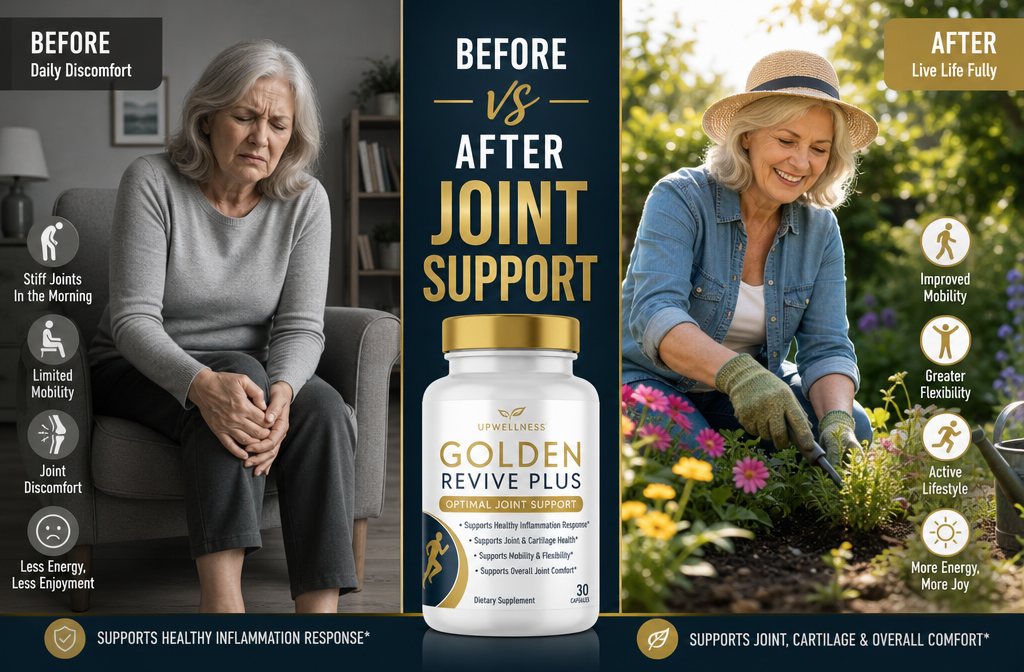
For adults over 50, joint supplements tend to work better than for younger people — because the underlying deficiencies (lower collagen production, reduced synovial fluid, higher baseline inflammation) are more pronounced, giving supplements more to correct.
Several factors make supplementation especially relevant after 50:
- Collagen production drops significantly after age 40, accelerating cartilage thinning.
- Chronic low-grade inflammation (sometimes called “inflammaging”) becomes more common and harder to manage through diet alone.
- Nutrient absorption decreases with age, meaning targeted supplementation fills gaps that food no longer covers adequately.
That said, results vary. People with moderate joint discomfort tend to respond better than those with severe structural damage. If you’ve been told you have “bone-on-bone” arthritis, supplements can still reduce inflammation and improve comfort, but they won’t regenerate cartilage that’s already gone.
Realistic expectations for adults over 50:
- Weeks 1–3: Subtle reduction in morning stiffness
- Weeks 4–8: Noticeable improvement in daily comfort and flexibility
- Weeks 8–12+: Meaningful gains in mobility, reduced reliance on pain relievers
How Quickly Can You Expect to See Results from Joint Supplements?
Most people notice initial changes within 4 to 6 weeks, with the most significant improvements appearing between weeks 8 and 12. Anti-inflammatory ingredients like curcumin and Boswellia tend to work faster (sometimes within 2 to 4 weeks), while structural ingredients like glucosamine and collagen take longer because they work at the tissue level.
What affects your timeline:
- Consistency (missing doses slows progress)
- Bioavailability of the formula (cheap products absorb poorly)
- Severity of your joint damage
- Diet and activity level
- Body weight (more weight = more joint stress)
Common mistake: People try a supplement for 2 to 3 weeks, feel little change, and stop. Most clinical studies showing positive results run for 8 to 12 weeks minimum. Patience and consistency are non-negotiable.
🌿 Don’t wait another painful morning. Start supporting your joints naturally with Golden Revive Plus — formulated to work from the inside out.
What’s the Difference Between Collagen and Glucosamine?
Collagen and glucosamine both support joint health but work through completely different mechanisms. Collagen provides the structural protein that makes up cartilage, tendons, and ligaments. Glucosamine is a building block for glycosaminoglycans — the molecules that give cartilage its shock-absorbing properties.
Collagen peptides:
- Stimulate your body to produce more of its own collagen
- Support cartilage, tendons, skin, and ligaments
- Best taken with vitamin C for optimal absorption
- Type II collagen is most relevant for joints specifically
Glucosamine sulfate:
- Directly feeds cartilage-building processes
- May slow cartilage breakdown in osteoarthritis
- Works best combined with chondroitin
- Takes longer to show results (8 to 12 weeks minimum)
Can you take both? Yes, and many doctors recommend it. They work on different parts of the same system, so combining them is logical and safe for most people.
For adults also concerned about bone density alongside joint health, our guide on how to strengthen bones after 50 covers complementary strategies.
Are There Natural Alternatives to Glucosamine?
Yes. For people who are allergic to shellfish (glucosamine is often derived from shellfish) or who prefer plant-based options, several natural alternatives show solid evidence for joint support.
Top natural alternatives to glucosamine:
- Boswellia serrata: One of the most studied herbal anti-inflammatories. Inhibits an enzyme (5-LOX) that drives joint inflammation. Shown in clinical research to reduce knee pain and improve function.
- Curcumin (from turmeric): Powerful anti-inflammatory that works through multiple pathways. Look for formulas with piperine or phospholipid complexes for better absorption.
- MSM (methylsulfonylmethane): A sulfur compound that supports connective tissue repair and reduces oxidative stress in joints.
- Avocado-soybean unsaponifiables (ASU): Plant-based extract shown to reduce OA symptoms and possibly slow cartilage loss.
- Hyaluronic acid: Supports synovial fluid production, improving joint lubrication and reducing stiffness.
Golden Revive Plus combines several of these natural alternatives in one doctor-formulated formula — making it a strong choice for those seeking a shellfish-free, plant-forward approach to joint support.
Which Joint Supplements Are Best for Athletes and High-Impact Activities?
For runners, cyclists, and anyone doing high-impact exercise, the best joint supplements focus on reducing exercise-induced inflammation and supporting connective tissue repair. This applies equally to active adults over 50 who walk regularly, hike, or do resistance training.
Best picks for active adults and athletes:
- Omega-3 fatty acids (EPA/DHA): Reduce post-exercise inflammation and joint soreness. Aim for 2,000–3,000 mg combined EPA+DHA daily.
- Collagen peptides + vitamin C: Taken 30–60 minutes before exercise, this combination has been shown to support connective tissue synthesis during recovery.
- Curcumin: Reduces delayed-onset muscle soreness (DOMS) and joint inflammation after intense activity.
- MSM: Particularly useful for reducing post-exercise joint and muscle pain.
For runners specifically: Knee and hip joint stress is cumulative. Adding glucosamine sulfate alongside omega-3s creates both structural support and inflammation control — a combination that addresses the two biggest risks for runners over 50.
What Side Effects Should You Watch Out for With Joint Supplements?
Most joint supplements are well-tolerated, but side effects do occur — especially at high doses or with poor-quality products. Knowing what to watch for helps you adjust early rather than stopping altogether.
Common side effects by ingredient:
| Supplement | Possible Side Effects | Notes |
|---|---|---|
| Glucosamine | Mild GI upset, bloating | Take with food; avoid if shellfish allergy |
| Chondroitin | Nausea, hair loss (rare) | Usually mild and dose-dependent |
| Curcumin | GI discomfort at high doses | High-dose formulas most likely to cause this |
| Fish oil / Omega-3 | Fishy burps, loose stools | Enteric-coated capsules reduce this |
| Boswellia | Mild GI upset, skin rash (rare) | Generally very well tolerated |
| MSM | Headache, insomnia (early use) | Usually resolves within 1 to 2 weeks |
Who should be especially cautious:
- People on blood thinners (warfarin): Fish oil and curcumin can increase bleeding risk
- Diabetics: Glucosamine may affect blood sugar in some individuals — monitor levels and consult your doctor
- People scheduled for surgery: Stop fish oil and curcumin at least 2 weeks before any procedure
Are There Any Supplements That Don’t Mix Well With Medications?
Yes, and this is one of the most important things to check before starting any joint supplement. Several popular joint ingredients interact with common medications used by adults over 50.
Key interactions to know:
- Fish oil + blood thinners (warfarin, aspirin, clopidogrel): Can increase bleeding risk. Discuss dosage with your doctor.
- Curcumin + blood thinners: Similar concern; also may interact with certain chemotherapy drugs.
- Glucosamine + warfarin: Some evidence suggests glucosamine can enhance warfarin’s blood-thinning effect.
- Boswellia + anti-inflammatory drugs (NSAIDs): May enhance effects, which could be beneficial but should be monitored.
- Magnesium + certain antibiotics or heart medications: Can reduce drug absorption if taken at the same time.
Rule of thumb: If you take any prescription medication daily, bring the supplement label to your pharmacist or doctor before starting. This takes 5 minutes and eliminates the guesswork.
How Much Do Good Joint Supplements Cost?
Quality joint supplements typically cost between $30 and $80 per month. Budget options under $20 often use lower-quality ingredients, poor bioavailability, or underdosed formulas — which is why so many people report no results from cheap products.
General price tiers:
- $15–$25/month: Basic single-ingredient products (glucosamine only, basic fish oil). Fine as a starting point but limited in scope.
- $30–$55/month: Multi-ingredient formulas with better bioavailability. This is the sweet spot for most people.
- $60–$80+/month: Premium doctor-formulated blends with patented ingredient forms (e.g., BCM-95 curcumin, UC-II collagen). Often the most effective per dose.
Which joint supplements are best if you’re on a budget?
If cost is a concern, prioritize curcumin with piperine and fish oil first — these two give you the most anti-inflammatory benefit per dollar. Add glucosamine sulfate as your budget allows. Avoid buying the cheapest version of any ingredient; bioavailability is everything.
💪 Invest in your mobility today. Discover Golden Revive Plus — premium joint support at a price that makes sense.
The Best Supplements for Joint Pain: A Complete Ingredient Breakdown
Here’s a clear summary of the most evidence-backed ingredients to look for when choosing the best supplements for joint pain in 2026.
Top 6 Joint Support Ingredients
Curcumin (Turmeric extract) — Reduces inflammatory cytokines; look for BCM-95 or Meriva forms for best absorption. Typical effective dose: 500–1,000 mg/day.
Boswellia serrata — Inhibits 5-LOX inflammatory enzyme; shown to reduce knee pain in 4 to 8 weeks. Effective dose: 100–250 mg of AKBA-standardized extract.
Glucosamine sulfate — Structural support for cartilage; most effective form is the sulfate salt (not hydrochloride). Dose: 1,500 mg/day.
Chondroitin sulfate — Works synergistically with glucosamine; helps retain water in cartilage. Dose: 800–1,200 mg/day.
Omega-3 fatty acids (EPA + DHA) — Systemic anti-inflammatory effect; supports joint lubrication. Dose: 2,000–3,000 mg combined EPA+DHA.
Type II Collagen or Collagen Peptides — Supports cartilage matrix and tendon integrity. Undenatured Type II collagen works at very low doses (10–40 mg/day).
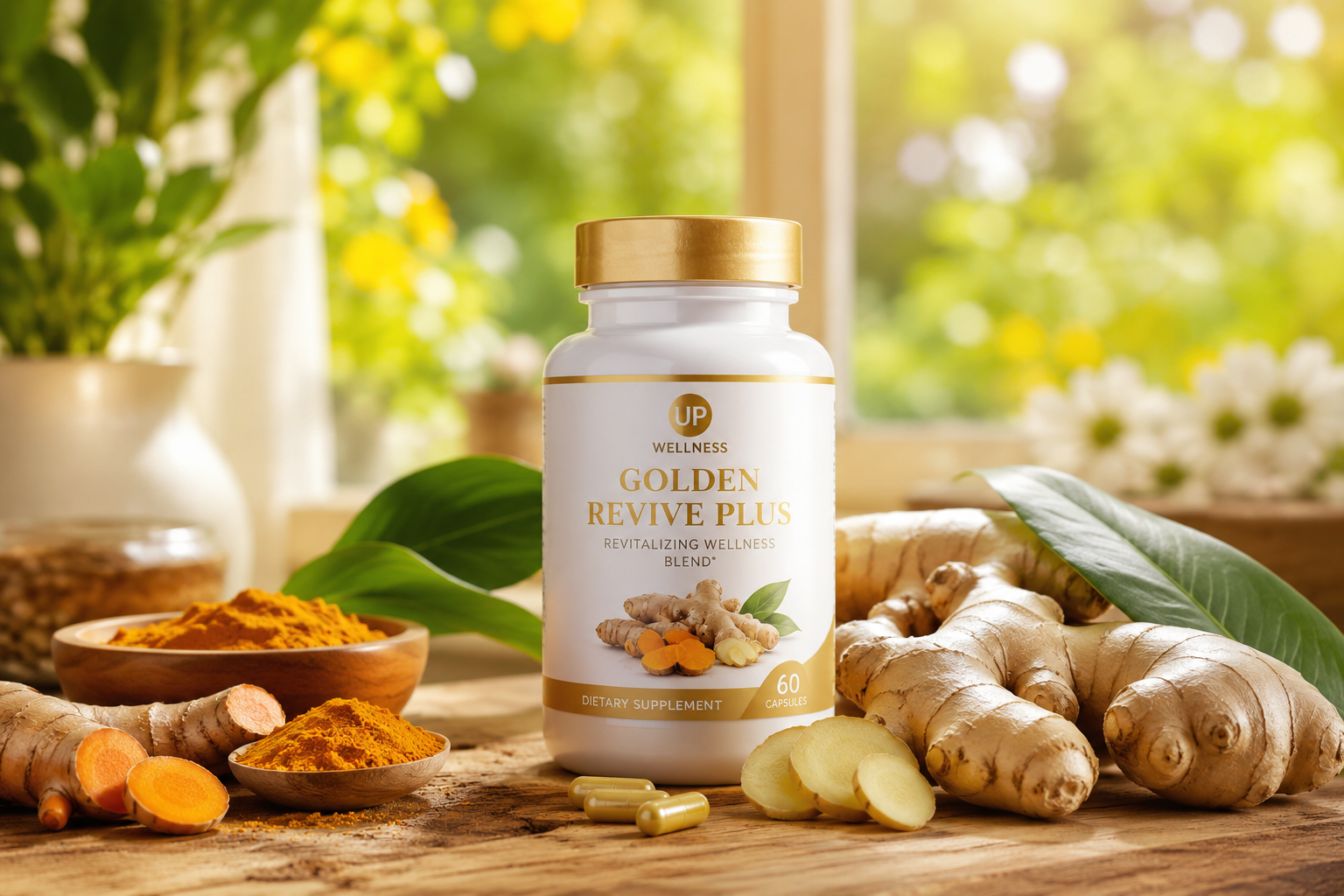
Golden Revive Plus is one of the few doctor-formulated products that combines several of these key ingredients in bioavailable forms — targeting both inflammation and structural joint support simultaneously. For adults over 50 who are serious about getting their mobility back, it’s worth a close look.
You may also find it helpful to read about nerve health supplements for neuropathy relief, since nerve-related discomfort often accompanies chronic joint pain, especially in the back and hips.
Conclusion: Your Path Back to Pain-Free Living Starts Now
Joint pain doesn’t have to define your days. You deserve to wake up without that familiar morning stiffness, walk through your neighborhood without wincing, kneel down to play with your grandchildren, and travel without dreading every step.
The best supplements for joint pain in 2026 — curcumin, Boswellia, glucosamine sulfate, collagen, and omega-3s — are backed by real science and real results. The key is choosing a high-quality, well-formulated product and giving it enough time to work.
Your action steps:
- Identify your primary complaint (inflammation/pain vs. stiffness vs. structural support) and choose ingredients accordingly.
- Check for medication interactions with your pharmacist before starting.
- Commit to at least 8 to 12 weeks of consistent daily use before judging results.
- Pair supplementation with gentle movement (walking, swimming, yoga) and an anti-inflammatory diet for best results.
- Choose quality over price — bioavailability determines whether you feel results or nothing.
If you want a convenient, doctor-formulated starting point that covers multiple mechanisms at once, Golden Revive Plus is worth serious consideration. It was designed specifically to support flexibility, comfort, and mobility in adults who are done settling for temporary fixes.
🌟 Your joints supported you for decades. It’s time to support them back. Click here to learn more about Golden Revive Plus and start moving freely again.
Frequently Asked Questions
What are the best supplements for joint pain in people over 60?
The best supplements for joint pain in adults over 60 are curcumin (turmeric extract), Boswellia serrata, glucosamine sulfate, and omega-3 fatty acids. These ingredients address both inflammation and cartilage support — the two primary drivers of joint pain after 60. A multi-ingredient formula like Golden Revive Plus combines several of these in one daily dose.
How long does it take for joint supplements to work?
Most people notice initial improvements in stiffness and comfort within 4 to 6 weeks. The most significant results typically appear between weeks 8 and 12. Anti-inflammatory ingredients (curcumin, Boswellia) often work faster than structural ingredients (glucosamine, collagen), which require more time to affect tissue-level changes.
Can I take joint supplements with ibuprofen or other pain relievers?
Generally yes, but check with your doctor or pharmacist first. Some joint supplements (especially fish oil and curcumin) have mild blood-thinning properties that can interact with NSAIDs. If you’re trying to reduce your reliance on ibuprofen, many people successfully transition to supplements over 8 to 12 weeks as their joint comfort improves.
Is glucosamine safe for people with diabetes?
Glucosamine may affect blood sugar levels in some individuals, though the evidence is mixed. If you have diabetes or take blood sugar medication, monitor your glucose more closely when starting glucosamine and discuss it with your doctor. Our guide on blood sugar supplements for diabetics and seniors covers related considerations.
What’s the best joint supplement for knee pain specifically?
For knee pain, the strongest evidence supports glucosamine sulfate (1,500 mg/day), chondroitin (800–1,200 mg/day), and Boswellia serrata. These three together target both cartilage breakdown and inflammation — the two main causes of knee pain in osteoarthritis. Hyaluronic acid is also useful for improving knee joint lubrication.
Are joint supplements safe to take long-term?
Yes, the most common joint supplements (glucosamine, chondroitin, curcumin, omega-3s, Boswellia) are considered safe for long-term use at recommended doses. In fact, structural ingredients like glucosamine work better with sustained use. Annual check-ins with your doctor are a reasonable precaution, especially if you take other medications.
Can joint supplements replace surgery or steroid injections?
Supplements are not a replacement for surgery in cases of severe structural damage. However, for mild to moderate joint pain and early-to-moderate osteoarthritis, consistent supplementation can significantly reduce pain and improve function — potentially delaying or avoiding more invasive interventions. Many people use supplements as a first-line strategy before considering injections or surgery.
What’s the best natural supplement for hip pain?
For hip pain, curcumin, Boswellia, and glucosamine sulfate are the most evidence-backed choices. Hip pain is most commonly driven by osteoarthritis and inflammation, so targeting both mechanisms simultaneously gives the best results. Omega-3 fatty acids add systemic anti-inflammatory support that benefits the hip joint as well.
Do joint supplements help with back pain?
Yes, particularly if your back pain involves inflammation, disc degeneration, or facet joint arthritis. Curcumin and omega-3s are most useful for inflammatory back pain. For structural support of spinal discs and joints, collagen peptides and glucosamine may help. If back and neck discomfort is also affecting your sleep, a supportive pillow like those reviewed in our Derila Ergo Pillow review can complement your supplement routine.
Is turmeric the same as curcumin?
No. Turmeric is the spice; curcumin is the active compound within turmeric that provides anti-inflammatory benefits. Standard turmeric powder contains only 2 to 5% curcumin by weight, which is far too little to produce therapeutic effects. Look for supplements standardized to 95% curcuminoids, ideally in a bioavailable form like BCM-95, Meriva, or paired with piperine (black pepper extract).
References
Belcaro G, et al. “Efficacy and safety of Meriva®, a curcumin-phosphatidylcholine complex, during extended administration in osteoarthritis patients.” Alternative Medicine Review, 2010. Available via PubMed.
Kimmatkar N, et al. “Efficacy and tolerability of Boswellia serrata extract in treatment of osteoarthritis of knee.” Phytomedicine, 2003. Available via PubMed.
Reginster JY, et al. “Long-term effects of glucosamine sulphate on osteoarthritis progression.” The Lancet, 2001. Available via PubMed.
Calder PC. “Omega-3 fatty acids and inflammatory processes: from molecules to man.” Biochemical Society Transactions, 2017. Available via PubMed.
Daily JW, Yang M, Park S. “Efficacy of turmeric extracts and curcumin for alleviating the symptoms of joint arthritis.” Journal of Medicinal Food, 2016. Available via PubMed.
Tags: best supplements for joint pain, joint pain relief, glucosamine, turmeric curcumin, Boswellia, arthritis supplements, knee pain, hip pain, joint inflammation, collagen for joints, natural joint support, supplements for seniors