Best semaglutide alternatives
Last updated: May 21, 2026
Quick Answer: The best semaglutide alternatives include tirzepatide (Zepbound/Mounjaro), liraglutide (Saxenda), and compounded GLP-1 medications like DirectMeds GLP1 Semaglutide, which offers one of the most affordable entry points without insurance. The right choice depends on your health history, budget, and weight-loss goals. Keep reading — the differences between these options are bigger than most people expect.
Key Takeaways
- Semaglutide (Ozempic/Wegovy) works by mimicking the GLP-1 hormone to reduce appetite and slow digestion
- Tirzepatide (Zepbound) targets two hormones instead of one and may produce greater weight loss in clinical trials
- Compounded semaglutide from providers like DirectMeds GLP1 Semaglutide can cost significantly less than brand-name versions
- Natural supplements like berberine, glucomannan, and green tea extract have modest evidence but cannot match prescription GLP-1 results
- Most prescription weight-loss medications require a doctor’s evaluation — telehealth platforms make this accessible from home
- Long-term use carries real risks, including muscle loss, GI side effects, and potential thyroid concerns
- People with a personal or family history of medullary thyroid cancer should avoid GLP-1 medications entirely
- Diet and exercise remain essential — medications amplify results but don’t replace lifestyle changes
What Exactly Is Semaglutide and How Does It Work?
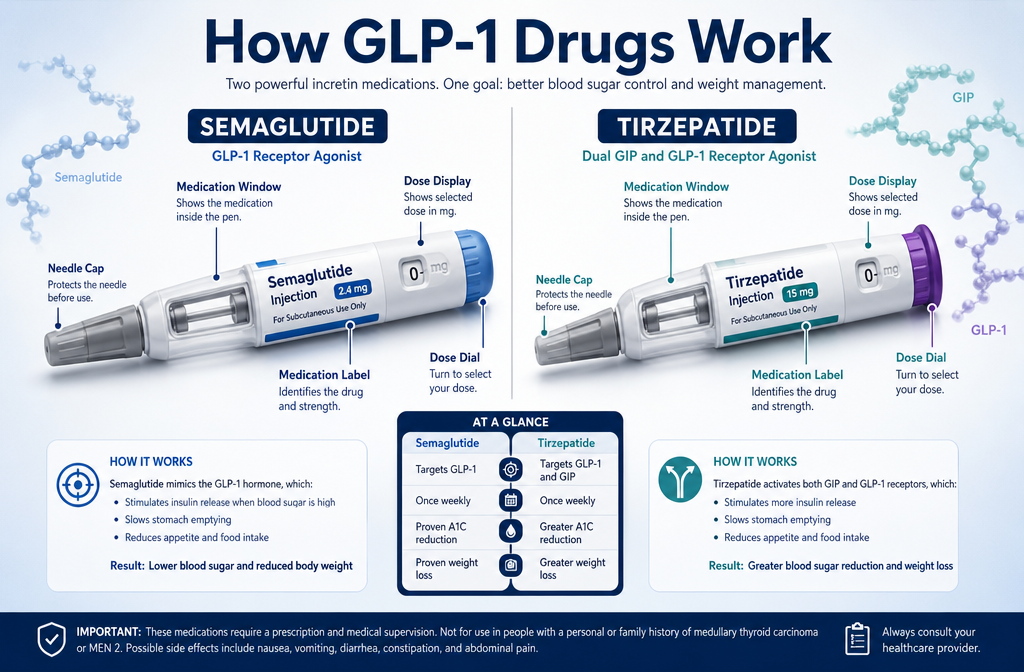
Semaglutide is a prescription GLP-1 receptor agonist — a drug that mimics the glucagon-like peptide-1 hormone your gut naturally releases after eating. It slows stomach emptying, signals your brain that you’re full, and reduces food cravings. The result is a meaningful reduction in calorie intake without constant willpower battles.
Originally approved by the FDA for type 2 diabetes (as Ozempic), semaglutide was later approved at a higher dose for chronic weight management (as Wegovy). It’s given as a weekly injection, though an oral version (Rybelsus) exists for blood sugar control.
Key facts about semaglutide:
- Drug class: GLP-1 receptor agonist
- Approved uses: Type 2 diabetes (Ozempic), chronic weight management (Wegovy)
- Dosing: Weekly subcutaneous injection (or daily oral tablet for Rybelsus)
- Average weight loss: Roughly 15% of body weight over 68 weeks in the STEP trials (New England Journal of Medicine, 2021)
“Semaglutide doesn’t just suppress appetite — it changes how the brain responds to food cues, which is why many users report a genuine shift in cravings.”
Is Semaglutide Right for People With Diabetes or Just Weight Loss?
Semaglutide was designed for both, but the approved doses differ. For type 2 diabetes management, Ozempic is prescribed at lower doses primarily to improve blood sugar control. For weight loss in non-diabetic adults, Wegovy uses a higher maintenance dose (2.4 mg weekly).
Adults with obesity (BMI ≥30) or overweight (BMI ≥27) with at least one weight-related condition — such as high blood pressure, high cholesterol, or sleep apnea — qualify for Wegovy. If you’re managing both diabetes and weight, your doctor may prescribe Ozempic off-label for weight loss or transition you to Wegovy. For more on managing blood sugar alongside weight, see our guide to the best blood sugar supplements for diabetics or seniors.
Which Weight Loss Drugs Are Similar to Ozempic?
The best semaglutide alternatives in the prescription category include tirzepatide, liraglutide, and compounded GLP-1 options. Each works differently and comes at a different price point.
| Medication | Brand Name | Mechanism | Typical Weight Loss |
|---|---|---|---|
| Tirzepatide | Zepbound / Mounjaro | GLP-1 + GIP dual agonist | Up to 20–22% body weight |
| Liraglutide | Saxenda | GLP-1 agonist (daily) | ~5–8% body weight |
| Compounded Semaglutide | DirectMeds GLP1 | GLP-1 agonist | Similar to Wegovy |
| Orlistat | Alli / Xenical | Lipase inhibitor (non-GLP-1) | ~3–5% body weight |
| Phentermine/Topiramate | Qsymia | Appetite suppressant combo | ~8–10% body weight |
Tirzepatide is the strongest clinical performer right now. It targets both GLP-1 and GIP receptors, which may explain its superior weight-loss numbers in the SURMOUNT trials. Liraglutide (Saxenda) is a daily injection and generally produces less weight loss than semaglutide, but some patients prefer it for dosing flexibility.
Choose tirzepatide if you want maximum weight-loss potential and can afford the higher cost. Choose compounded semaglutide (like DirectMeds GLP1 Semaglutide) if cost is your primary barrier and you want a clinically proven mechanism without the brand-name price tag.
👉 Start with DirectMeds GLP1 Semaglutide — the most affordable option available today
How Much Do Semaglutide Alternatives Cost Without Insurance?
Without insurance, brand-name semaglutide and its alternatives are expensive — but compounded options change the math significantly.
Estimated monthly costs without insurance (2026):
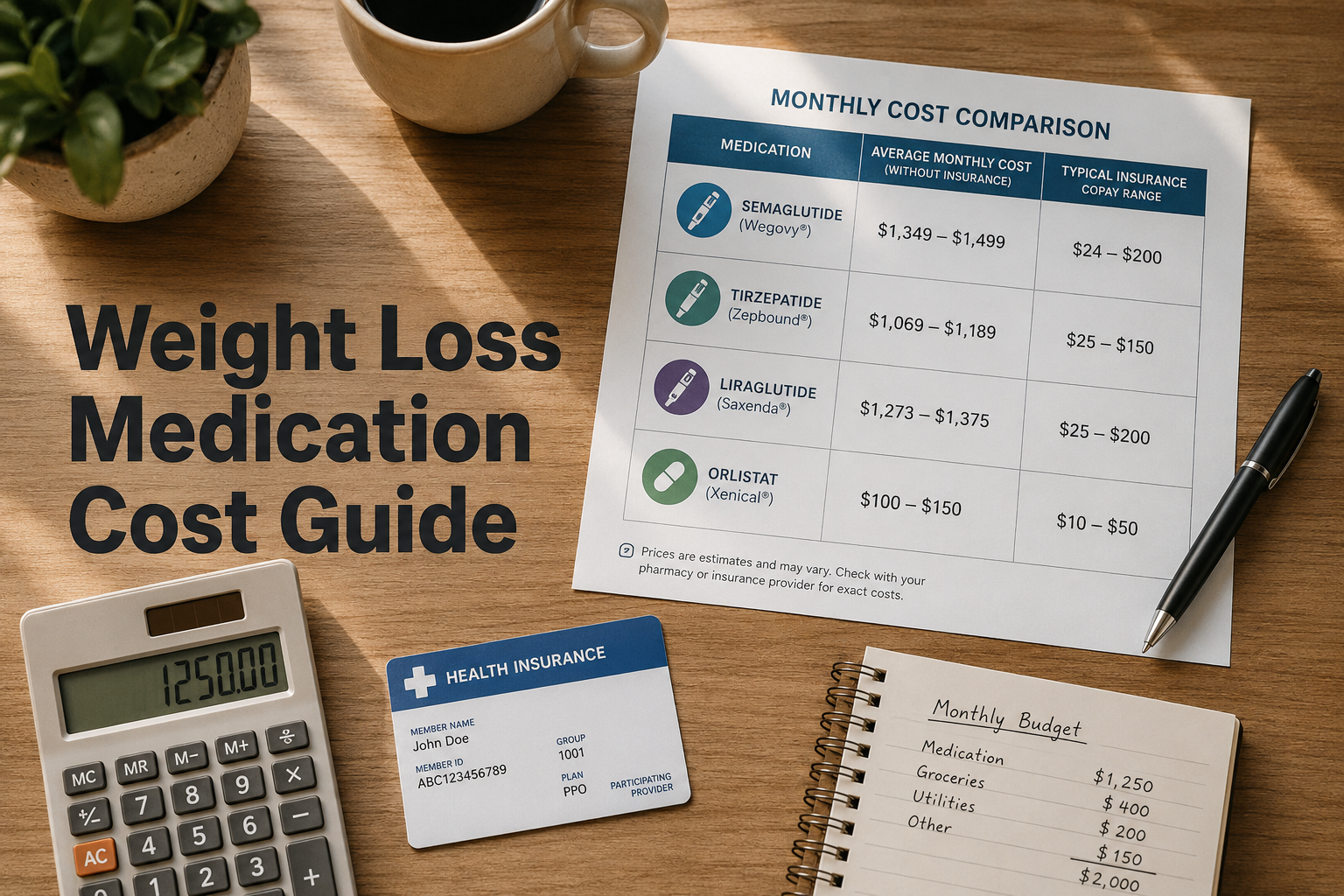
- Wegovy (brand semaglutide): $1,300–$1,600/month
- Zepbound (tirzepatide): $1,000–$1,400/month
- Saxenda (liraglutide): $1,200–$1,500/month
- Compounded semaglutide (via telehealth): $200–$500/month
- Orlistat (generic): $30–$60/month
DirectMeds GLP1 Semaglutide stands out as one of the most affordable compounded semaglutide programs available in 2026. It includes physician oversight, dosing guidance, and medication delivery — making it a practical alternative for people who can’t access or afford brand-name GLP-1 drugs. For a deeper breakdown, see our guide to the cheapest GLP-1 without insurance.
👉 Check current pricing for DirectMeds GLP1 Semaglutide here
Are There Natural Supplements That Work Like Semaglutide?
No natural supplement replicates how semaglutide works at the receptor level, but several have real (if modest) evidence for blood sugar control and appetite support. Think of these as complementary tools, not replacements for prescription GLP-1 drugs.
Natural options with some evidence:
- Berberine — activates AMPK, improves insulin sensitivity; sometimes called “nature’s metformin” (though the comparison overstates its power)
- Glucomannan — a soluble fiber that expands in the stomach and slows digestion, promoting fullness
- Green tea extract (EGCG) — mild thermogenic effect; modest support for fat oxidation
- Chromium picolinate — may help reduce carbohydrate cravings in some individuals
- Inositol — shows promise for insulin resistance, especially in women with PCOS
For those managing blood sugar naturally alongside weight, our article on the best supplements for lowering blood sugar naturally covers evidence-based options in detail.
Common mistake: Many people spend months on supplements hoping for GLP-1-level results. If you have a BMI over 30 or weight-related health conditions, prescription options will almost always outperform supplements for meaningful fat loss.
Are There Over-the-Counter Options That Work Like Semaglutide?
Over-the-counter (OTC) weight-loss products cannot legally claim to work like semaglutide, and none replicate its mechanism. The only FDA-approved OTC weight-loss drug is orlistat (Alli), which blocks fat absorption in the gut — a completely different mechanism from GLP-1 drugs.
OTC options to know:
- Orlistat (Alli): Blocks ~25% of dietary fat absorption; causes GI side effects (oily stools) if you eat high-fat meals
- Fiber supplements (psyllium, glucomannan): Promote fullness but produce modest weight loss
- Caffeine-based fat burners: Temporary metabolic boost; not a sustainable strategy
If you’re curious about liquid supplement options, our review of best dropper supplements for weight loss covers what’s actually worth considering.
Bottom line: OTC options work best as lifestyle support tools. For clinical-level weight loss, prescription medications — especially compounded semaglutide — are far more effective.
What Side Effects Should I Watch Out For With Weight Loss Medications?
GLP-1 medications share a common side-effect profile. Most are gastrointestinal and tend to improve after the first few weeks as your body adjusts.
Common side effects (GLP-1 class):
- Nausea (most frequent, especially early on)
- Vomiting and diarrhea
- Constipation
- Acid reflux / heartburn
- Fatigue during dose escalation
Less common but serious:
- Pancreatitis (seek immediate care if you have severe abdominal pain)
- Gallbladder disease (gallstones are more common with rapid weight loss)
- Muscle loss (especially if protein intake and resistance training are neglected)
- Heart rate increase (mild, but worth monitoring)
Tirzepatide and semaglutide share similar side-effect profiles, though some users report tirzepatide causes more nausea at higher doses. Liraglutide (daily dosing) tends to cause more GI distress than weekly injections.
Who Shouldn’t Take Semaglutide or Its Alternatives?
GLP-1 medications are not appropriate for everyone. Certain conditions are absolute contraindications, while others require careful evaluation.
Do not use GLP-1 drugs if you have:
- Personal or family history of medullary thyroid carcinoma (MTC)
- Multiple Endocrine Neoplasia syndrome type 2 (MEN 2)
- History of pancreatitis (discuss carefully with your doctor)
- Pregnancy or plans to become pregnant
Use with caution if you have:
- Severe kidney or liver disease
- Gastroparesis (GLP-1 drugs further slow stomach emptying)
- History of eating disorders
- Diabetic retinopathy (rapid glucose changes may temporarily worsen it)
Always disclose your full medical history when consulting a telehealth provider or physician before starting any GLP-1 program.
Can I Get Weight Loss Medication Online Without a Prescription?
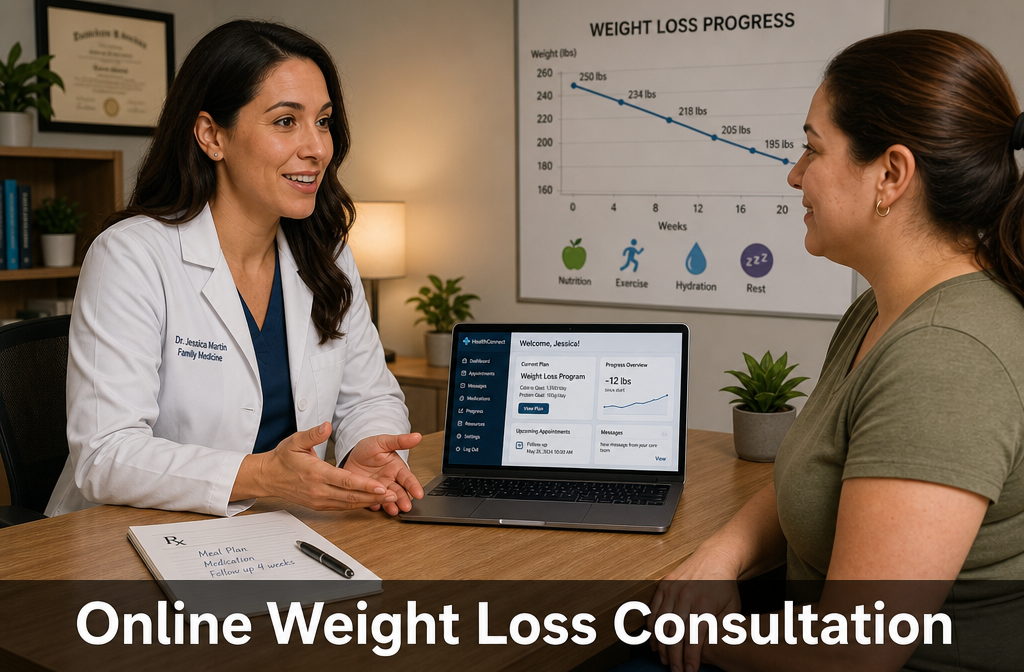
You cannot legally obtain prescription GLP-1 medications without a valid prescription — but you can get that prescription through a licensed telehealth provider entirely online. This is now the most common path for people accessing compounded semaglutide.
How the telehealth process typically works:
- Complete an online health intake form
- Consult with a licensed provider (often async or video)
- Receive a prescription if you qualify
- Medication is shipped to your door
DirectMeds GLP1 Semaglutide follows this model — making it one of the most accessible and affordable ways to start a medically supervised GLP-1 program in 2026.
👉 Get started with DirectMeds GLP1 Semaglutide — fast, online, and affordable
How Quickly Can I Expect Weight Loss With Different Medications?
Results vary by drug, dose, diet, and individual metabolism — but here’s a realistic timeline based on clinical data.
General weight-loss timelines:
- Weeks 1–4: Mostly appetite suppression; scale may move 2–5 lbs as water weight and reduced calorie intake kick in
- Months 1–3: 5–10% body weight loss is common for semaglutide users
- Months 3–6: Continued loss; tirzepatide users often see more dramatic results here
- Months 6–12: Plateau phase for some; dose optimization may be needed
- 12+ months: Sustained loss with lifestyle adherence; discontinuation often leads to regain
Fastest results tend to come from tirzepatide at therapeutic doses, followed by semaglutide at 2.4 mg (Wegovy dosing). Compounded semaglutide at equivalent doses should produce comparable results to brand-name Wegovy.
How Do Prescription Weight Loss Drugs Compare to Diet and Exercise?
Prescription GLP-1 drugs outperform diet and exercise alone for most people with obesity — but they work best when combined with lifestyle changes. Diet and exercise without medication typically produce 3–5% body weight loss in clinical settings. Semaglutide alone averages around 15%, and tirzepatide can reach 20%+.
That said, medications don’t fix habits. People who pair GLP-1 therapy with a protein-rich diet, regular movement, and adequate sleep consistently see better outcomes and maintain more muscle mass. For practical guidance on staying active, see our article on how to stay fit and active at home after age 50.
What Are the Risks of Using Weight Loss Medications Long Term?
Long-term GLP-1 use is still being studied, but current evidence suggests the benefits outweigh the risks for most eligible patients. The main long-term concerns are:
- Muscle mass loss: Rapid weight loss without resistance training can reduce lean muscle. Prioritize protein (1.2–1.6g per kg body weight) and strength training
- Medication dependence: Weight often returns after stopping — this is a biological reality, not a personal failure
- Thyroid concerns: Rodent studies showed thyroid tumors with GLP-1 drugs, but this has not been confirmed in human trials. The FDA requires a black-box warning as a precaution
- Bone density: Rapid weight loss can reduce bone density over time. See our resource on the link between extra pounds and bone health for context
- Gallstones: Rapid fat loss increases gallstone risk regardless of the medication used
Edge case: Some patients use GLP-1 drugs cyclically — periods on, then off — to manage side effects or cost. This approach needs medical supervision and isn’t right for everyone.

Conclusion: Which Semaglutide Alternative Is Right for You?
The best semaglutide alternatives range from powerful prescription drugs like tirzepatide to affordable compounded options and modest natural supplements. Your best choice depends on three things: your health profile, your budget, and how much weight you need to lose.
Here’s a simple decision guide:
- Maximum weight loss + can afford brand-name: Consider tirzepatide (Zepbound)
- Proven GLP-1 results at a fraction of the cost: DirectMeds GLP1 Semaglutide is the standout affordable option
- Mild support + natural preference: Berberine or glucomannan alongside diet changes
- OTC only: Orlistat (Alli) is your only FDA-approved option
If cost has been your barrier to starting a GLP-1 program, compounded semaglutide through a telehealth provider removes that obstacle. DirectMeds GLP1 Semaglutide offers physician-supervised treatment at a price point that makes this class of medication accessible to far more people.
👉 Click here to get started with DirectMeds GLP1 Semaglutide today
Whatever path you choose, work with a licensed provider, prioritize protein and movement, and set realistic expectations. Sustainable weight loss is a process — the right medication just makes it a lot more achievable.
Frequently Asked Questions
What is the closest alternative to semaglutide?
Tirzepatide (Zepbound/Mounjaro) is the closest prescription alternative to semaglutide and often produces greater weight loss. For a more affordable option with the same mechanism, compounded semaglutide through telehealth providers like DirectMeds is the most direct substitute.
Is berberine really “nature’s Ozempic”?
Berberine has some evidence for improving insulin sensitivity and modest blood sugar control, but it does not work on GLP-1 receptors and cannot replicate semaglutide’s weight-loss results. The comparison is a significant overstatement used in marketing.
Can I switch from Ozempic to a compounded semaglutide?
Yes, in most cases. Compounded semaglutide contains the same active ingredient (semaglutide) as Ozempic. Always consult your prescribing doctor before switching, especially if you’re using Ozempic for diabetes management.
How long does it take for semaglutide alternatives to work?
Most people notice appetite suppression within the first 1–2 weeks. Meaningful weight loss (5%+ of body weight) typically occurs within 8–12 weeks at therapeutic doses. Tirzepatide may show faster results at higher doses.
Are compounded GLP-1 medications safe?
Compounded semaglutide from licensed compounding pharmacies is generally considered safe when prescribed and monitored by a licensed provider. Quality varies by pharmacy, so choose programs like DirectMeds GLP1 Semaglutide that use accredited compounding facilities.
Do I need to change my diet while taking semaglutide alternatives?
Yes. GLP-1 medications reduce appetite but don’t guarantee good nutrition. A high-protein, lower-calorie diet maximizes results and helps preserve muscle mass during weight loss.
What happens if I stop taking semaglutide or its alternatives?
Most people regain a significant portion of lost weight within 12 months of stopping GLP-1 medications. This is a known biological response — not a personal failure. Some patients continue long-term at a maintenance dose.
Is tirzepatide better than semaglutide?
Clinical trial data suggests tirzepatide produces greater average weight loss (up to 20–22% vs. ~15% for semaglutide). However, it’s also more expensive, and individual responses vary. Both are effective options.
Can I get semaglutide alternatives online without visiting a doctor in person?
Yes. Licensed telehealth platforms allow you to consult with a provider online, receive a prescription if you qualify, and have medication delivered to your home. DirectMeds GLP1 Semaglutide operates this way.
Are there weight loss medications safe for people with type 2 diabetes?
Yes. Semaglutide (Ozempic) and tirzepatide (Mounjaro) are both FDA-approved for type 2 diabetes and also support weight loss. For natural blood sugar support alongside any program, see our guide to the best natural supplements for blood sugar control.
References
- The STEP 1 trial results on semaglutide and weight reduction — New England Journal of Medicine, 2021
- FDA prescribing information for Wegovy (semaglutide) — U.S. Food and Drug Administration
- SURMOUNT-1 trial data on tirzepatide for chronic weight management — New England Journal of Medicine, 2022
- Clinical overview of GLP-1 receptor agonists in obesity treatment — National Institutes of Health / PubMed Central
- Berberine and metabolic effects: a systematic review — National Institutes of Health / PubMed Central
Tags: semaglutide alternatives, GLP-1 medications, tirzepatide, Ozempic alternatives, Wegovy alternatives, compounded semaglutide, weight loss drugs, DirectMeds GLP1, natural weight loss supplements, telehealth weight loss, berberine, Zepbound