Best Zepbound telehealth
Last updated: May 21, 2026
Quick Answer: The best Zepbound telehealth platforms in 2026 include Hims & Hers, Ro, Noom Med, and Found — but if cost is your top priority, DirectMeds GLP1 Semaglutide offers one of the most affordable GLP-1 medication programs available without insurance. Most platforms complete your intake and issue a prescription within 24 to 72 hours. Eligibility typically requires a BMI of 30 or higher, or 27 with a weight-related health condition.
Key Takeaways
- Zepbound (tirzepatide) is FDA-approved for chronic weight management and works on both GLP-1 and GIP receptors, making it more potent than semaglutide-only medications.
- Top telehealth platforms prescribing Zepbound include Hims & Hers, Ro, Noom Med, and Found.
- Monthly costs range from roughly $550 to $1,200+ for brand-name Zepbound without insurance.
- DirectMeds GLP1 Semaglutide is a strong budget-friendly alternative for those who want GLP-1 therapy at a lower price point.
- Insurance coverage for Zepbound through telehealth is limited but possible — especially with employer-sponsored plans.
- Most people see meaningful weight loss (5–10% of body weight) within the first 12 weeks.
- Common side effects are manageable: nausea, constipation, and fatigue are most reported early on.
- Combining Zepbound with diet and activity changes significantly improves long-term results.
What Exactly Is Zepbound and How Does It Work for Weight Loss?
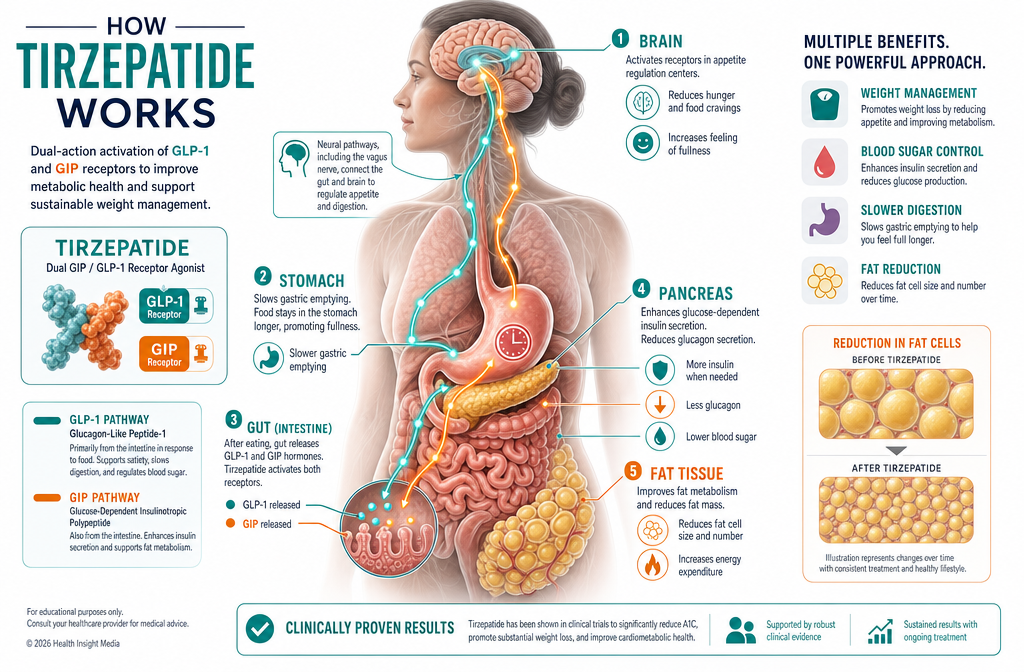
Zepbound is a brand-name injectable medication containing tirzepatide, approved by the FDA in November 2023 for chronic weight management in adults. It works by activating two hormone receptors simultaneously — GLP-1 (glucagon-like peptide-1) and GIP (glucose-dependent insulinotropic polypeptide) — which reduces appetite, slows digestion, and improves how the body processes blood sugar.
This dual-action mechanism is what sets Zepbound apart from older GLP-1 medications. By targeting two pathways instead of one, it tends to produce stronger appetite suppression and greater weight loss in clinical trials compared to semaglutide-only drugs.
How it’s administered: Zepbound is a once-weekly subcutaneous injection. It comes in doses ranging from 2.5 mg (starter dose) up to 15 mg. Doses are increased gradually over several months to minimize side effects.
“Tirzepatide’s dual receptor action is a meaningful clinical advancement — it addresses both appetite and metabolic function in ways earlier GLP-1 drugs did not.” — common framing among endocrinologists reviewing the SURMOUNT trial data.
For readers also managing blood sugar alongside weight, our guide on best supplements for lowering blood sugar naturally covers complementary approaches worth knowing.
Which Online Telehealth Services Offer Zepbound Prescriptions Fastest?
The fastest Zepbound telehealth providers typically complete intake, provider review, and prescription issuance within 24 to 48 hours. Most require an asynchronous questionnaire rather than a live video call, which speeds up the process.
Here’s a comparison of the leading platforms in 2026:
| Provider | Avg. Prescription Time | Brand-Name Zepbound | Compounded Option | Coaching Included |
|---|---|---|---|---|
| Hims & Hers | 24–48 hrs | Yes | Yes (semaglutide) | Basic |
| Ro Body | 24–72 hrs | Yes | Yes | Yes |
| Noom Med | 48–72 hrs | Yes | Limited | Yes (full program) |
| Found | 24–48 hrs | Yes | Yes | Yes |
| DirectMeds | 24–48 hrs | Semaglutide | Yes | Basic |
Choose Hims & Hers if you want a fast, no-frills process and are comfortable managing your own lifestyle changes. Choose Noom Med if you want structured behavioral coaching alongside your prescription. Choose DirectMeds GLP1 Semaglutide if cost is your primary concern and you want a proven GLP-1 program at a fraction of the brand-name price.
👉 Start your DirectMeds GLP1 consultation today — most affordable GLP-1 option available
How Much Does Zepbound Cost Through Different Telehealth Providers?
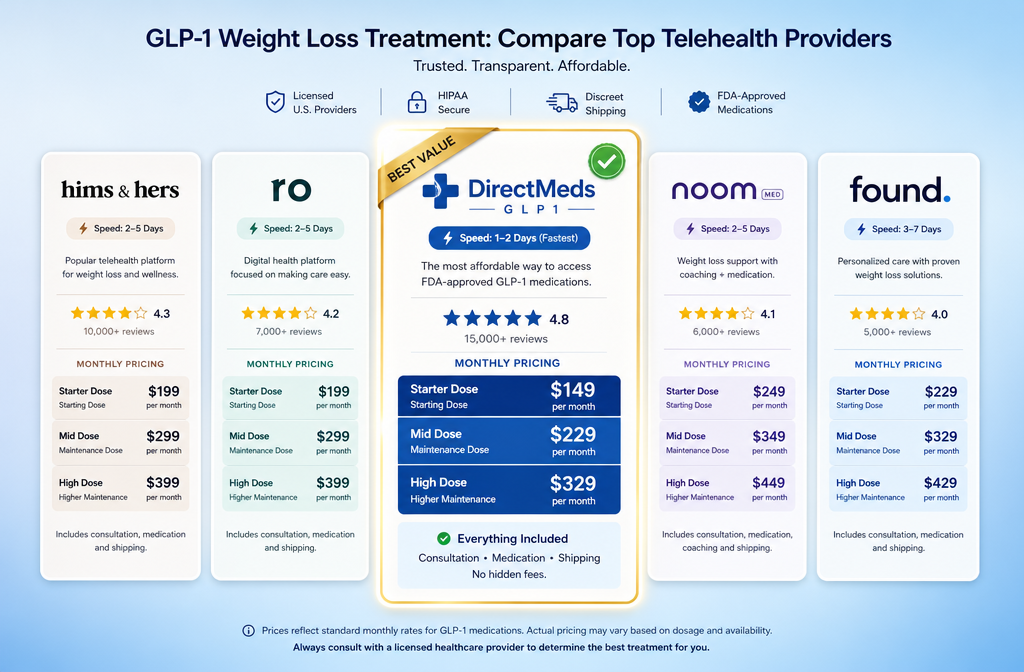
Brand-name Zepbound without insurance costs approximately $550 to $1,200 per month depending on your dose and provider. Telehealth platforms don’t typically reduce the medication cost itself — they charge a separate consultation or membership fee on top.
Typical cost breakdown:
- Brand-name Zepbound (pharmacy): $550–$1,200/month
- Telehealth membership fee: $0–$99/month (varies by platform)
- Compounded tirzepatide (where available): $200–$450/month
- DirectMeds GLP1 Semaglutide: Significantly lower than brand-name — one of the most competitive GLP-1 pricing structures in the market
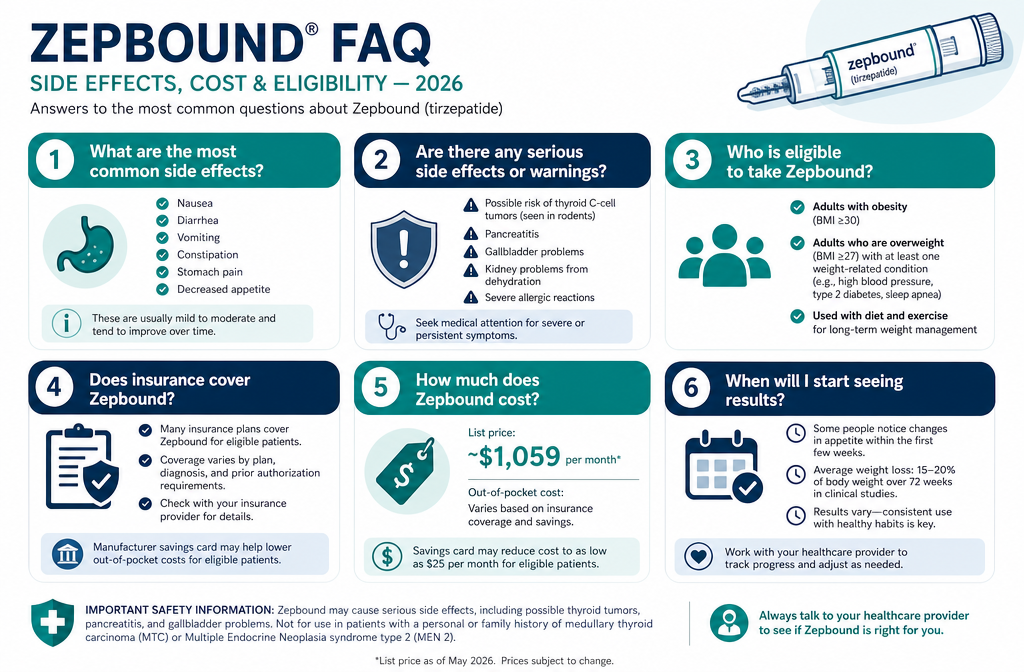
Eli Lilly offers a savings card for commercially insured patients that can reduce Zepbound to as low as $25/month, but this doesn’t apply to those without insurance or on government plans.
Common mistake: Many people assume the telehealth fee covers the medication. It usually doesn’t. Always confirm whether the quoted price includes pharmacy costs or just the consultation.
For a detailed breakdown of GLP-1 costs without insurance, see our expert guide on cheapest GLP-1 without insurance.
Am I a Good Candidate for Zepbound — or Are There Conditions That Disqualify Me?
Zepbound is appropriate for adults with a BMI of 30 or higher, or a BMI of 27 or higher with at least one weight-related condition such as type 2 diabetes, high blood pressure, or sleep apnea. Most telehealth platforms use these same FDA criteria to screen candidates.
You may NOT qualify if you have:
- A personal or family history of medullary thyroid carcinoma (MTC)
- Multiple Endocrine Neoplasia syndrome type 2 (MEN 2)
- A history of pancreatitis
- Severe gastrointestinal disease
- Current pregnancy or plans to become pregnant
Edge case: Some platforms will still evaluate you if you have well-controlled type 2 diabetes, since Zepbound is also FDA-approved for that indication under the brand name Mounjaro (same drug, different label).
Telehealth intake forms are designed to catch these disqualifiers automatically. If you’re flagged, a provider will typically follow up to clarify before declining your prescription.
What Are the Common Side Effects of Zepbound I Should Know About?
The most common Zepbound side effects are gastrointestinal: nausea, vomiting, diarrhea, and constipation. These are most intense during the first 4 to 8 weeks and typically improve as your body adjusts to the medication.
Side effects by frequency (based on SURMOUNT clinical trial data):
- Very common (>10%): Nausea, diarrhea, vomiting, constipation
- Common (1–10%): Abdominal pain, fatigue, injection site reactions, heartburn
- Less common but serious: Pancreatitis, gallbladder disease, increased heart rate, vision changes in diabetic patients
How to minimize nausea: Eat smaller meals, avoid high-fat foods, and stay well hydrated. Most providers recommend starting at the lowest dose (2.5 mg) for at least 4 weeks before increasing.
Obesity itself is linked to related metabolic conditions. If you’re managing blood sugar alongside weight, our resource on best blood sugar supplements for diabetics or seniors covers supportive options.
How Does Zepbound Compare to Other Weight Loss Medications Like Wegovy or Mounjaro?
Zepbound (tirzepatide) and Wegovy (semaglutide) are both GLP-1 medications, but they work differently. Zepbound targets both GLP-1 and GIP receptors, while Wegovy targets GLP-1 only. Clinical trial data suggests tirzepatide produces greater average weight loss than semaglutide at comparable doses.
| Medication | Active Ingredient | Receptors Targeted | Avg. Weight Loss (trials) | Monthly Cost (no insurance) |
|---|---|---|---|---|
| Zepbound | Tirzepatide | GLP-1 + GIP | Up to 20–22% body weight | $550–$1,200 |
| Wegovy | Semaglutide | GLP-1 only | Up to 15–17% body weight | $1,300–$1,600 |
| Mounjaro | Tirzepatide | GLP-1 + GIP | Same as Zepbound (diabetes label) | $900–$1,100 |
| Ozempic | Semaglutide | GLP-1 only | Approved for diabetes, used off-label | $800–$1,000 |
Choose Zepbound if you want the strongest FDA-approved weight loss medication currently available. Choose DirectMeds GLP1 Semaglutide if you want proven GLP-1 results at a dramatically lower price point — it’s our top pick for budget-conscious patients.
👉 Get started with DirectMeds GLP1 — the most affordable GLP-1 program online
Can I Get Zepbound Covered by Insurance Through Telehealth?
Insurance coverage for Zepbound through telehealth is possible but not guaranteed. Many employer-sponsored plans cover Zepbound when prescribed for obesity with a documented BMI and comorbidity. Medicare Part D currently does not cover weight-loss drugs, and Medicaid coverage varies by state.
Steps to check your coverage:
- Call the member services number on your insurance card and ask specifically about “tirzepatide for obesity management.”
- Ask your telehealth provider if they submit prior authorization on your behalf.
- Check if Eli Lilly’s savings card applies to your plan.
- If denied, ask about a peer-to-peer review or appeal process.
Most telehealth platforms will help with prior authorization paperwork, but they cannot guarantee approval. If insurance is unlikely, DirectMeds GLP1 Semaglutide is worth exploring as a cost-effective self-pay alternative.
How Quickly Can I Expect to Lose Weight With Zepbound?
Most Zepbound users see noticeable weight loss within the first 4 to 8 weeks, though significant results typically accumulate over 3 to 6 months. In the SURMOUNT-1 trial, participants lost an average of 20.9% of their body weight over 72 weeks at the highest dose.
Realistic timeline:
- Weeks 1–4: Appetite reduction begins; modest weight loss of 1–3 lbs
- Weeks 5–12: Accelerated loss as dose increases; 5–8% body weight reduction common
- Months 4–6: Plateau management begins; lifestyle habits become critical
- Month 12+: Average loss of 15–20%+ body weight at therapeutic doses
Results vary based on starting weight, dose reached, diet quality, and physical activity. People who combine Zepbound with consistent dietary changes consistently outperform those who rely on the medication alone.
What Lifestyle Changes Do I Need to Make While Taking Zepbound?
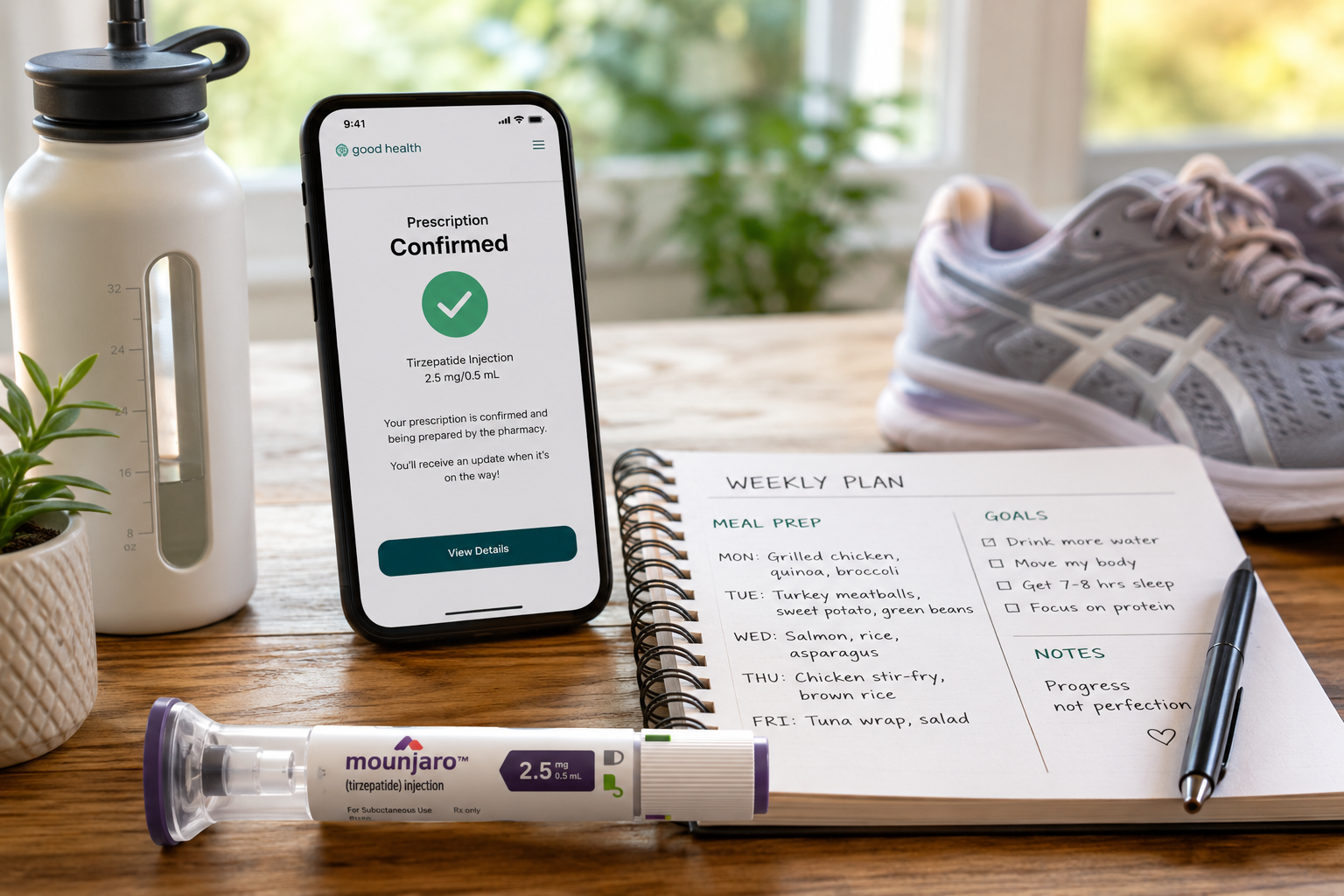
Zepbound is not a standalone solution. The FDA approval and clinical trials for tirzepatide were conducted alongside a reduced-calorie diet and increased physical activity. Without those changes, results are significantly lower.
Key lifestyle adjustments:
- Nutrition: Aim for a protein-rich, lower-calorie diet. Protein helps preserve muscle mass during rapid weight loss.
- Hydration: Drink at least 8 cups of water daily — this also reduces nausea.
- Movement: 150 minutes of moderate activity per week is the standard recommendation.
- Sleep: Poor sleep increases hunger hormones and can blunt medication effectiveness.
- Alcohol: Reduce intake — alcohol adds empty calories and can worsen GI side effects.
Weight loss also has meaningful effects on bone and joint health. For context on how excess weight affects your body beyond the scale, our piece on the link between extra pounds and bone health is worth reading.
What Are the Most Common Mistakes People Make When Starting Zepbound?
The biggest mistake is expecting Zepbound to work without any dietary effort. The second most common mistake is stopping the medication too soon when early side effects feel uncomfortable.
Mistakes to avoid:
- Skipping dose titration: Jumping to higher doses too fast causes severe nausea. Follow the prescribed schedule.
- Not eating before injecting: Taking Zepbound on an empty stomach worsens nausea for many people.
- Stopping suddenly: Stopping without medical guidance can lead to rapid weight regain.
- Ignoring protein intake: Rapid weight loss without adequate protein causes muscle loss, not just fat loss.
- Choosing a provider based on price alone: Cheap telehealth with no clinical follow-up is risky. Look for platforms with licensed providers and check-in protocols.
What Happens If Zepbound Doesn’t Work for Me or I Want to Stop?
If Zepbound doesn’t produce at least 5% weight loss after 12 to 16 weeks at a therapeutic dose, most guidelines suggest reassessing the treatment plan. Your provider may switch you to a different medication, adjust your dose, or investigate underlying factors like thyroid issues or medication interactions.
If you want to stop, taper gradually with your provider’s guidance. Stopping abruptly is generally safe medically, but weight regain often begins within weeks. Many people transition to a maintenance dose rather than stopping entirely.
Alternatives if Zepbound doesn’t work or isn’t accessible:
- Wegovy (semaglutide) — different mechanism, may suit some patients better
- Contrave (naltrexone/bupropion) — oral medication, lower cost
- Phentermine — short-term appetite suppressant, widely available
- DirectMeds GLP1 Semaglutide — a proven, affordable GLP-1 alternative for those who need to manage costs
👉 Explore DirectMeds GLP1 — the affordable alternative to brand-name Zepbound
Are There Cheaper Alternatives to Zepbound for Weight Loss?
Yes. The most practical cheaper alternatives to Zepbound include compounded semaglutide, brand-name Wegovy with manufacturer coupons, and GLP-1 programs like DirectMeds GLP1 Semaglutide, which offers semaglutide-based therapy at a significantly lower monthly cost than brand-name tirzepatide.
Cost comparison of alternatives:
- Compounded tirzepatide: $200–$450/month (availability varies by state and FDA status)
- Compounded semaglutide: $150–$350/month
- DirectMeds GLP1 Semaglutide: Competitive self-pay pricing — one of the most affordable GLP-1 options in 2026
- Oral semaglutide (Rybelsus): ~$800/month — less effective for weight loss than injectable
For readers exploring non-prescription weight support options alongside or before starting a GLP-1 program, our review of best dropper supplements for weight loss covers liquid-based options worth considering.
Frequently Asked Questions
What is the best Zepbound telehealth provider in 2026?
The best overall platforms are Hims & Hers, Ro, Noom Med, and Found. For the most affordable GLP-1 option, DirectMeds GLP1 Semaglutide is our top budget pick in 2026.
Can I get Zepbound online without an in-person visit?
Yes. All major telehealth platforms prescribe Zepbound through asynchronous online intake forms reviewed by licensed providers. No in-person visit is required in most states.
How long does it take to get a Zepbound prescription through telehealth?
Most platforms issue a prescription within 24 to 72 hours of completing your intake questionnaire, assuming you meet eligibility criteria.
Is compounded tirzepatide the same as Zepbound?
Compounded tirzepatide contains the same active ingredient but is not FDA-approved as a finished drug product. Its availability has been subject to FDA regulatory changes in 2025–2026. Always confirm current legal status with your provider.
What BMI do I need to qualify for Zepbound?
You need a BMI of 30 or higher, or a BMI of 27 or higher with at least one weight-related condition such as high blood pressure, type 2 diabetes, or sleep apnea.
Does Zepbound cause hair loss?
Hair loss (telogen effluvium) has been reported by some Zepbound users, typically linked to rapid weight loss rather than the medication itself. It’s usually temporary and resolves within a few months.
Can I take Zepbound if I have type 2 diabetes?
Yes. Tirzepatide is FDA-approved for type 2 diabetes under the brand name Mounjaro. Most telehealth providers can prescribe it for both conditions.
What happens to my weight when I stop Zepbound?
Most people regain a significant portion of lost weight within 6 to 12 months of stopping. Zepbound treats obesity as a chronic condition — long-term use is often necessary to maintain results.
Is DirectMeds GLP1 a legitimate alternative to Zepbound?
Yes. DirectMeds GLP1 Semaglutide is a legitimate, affordable GLP-1 semaglutide program. It’s our recommended option for patients who want proven GLP-1 therapy without the high cost of brand-name Zepbound.
Can telehealth providers prescribe Zepbound in all 50 states?
Most major platforms operate in the majority of U.S. states, but coverage varies. Always check your state’s availability during the intake process.
Conclusion
Finding the best Zepbound telehealth provider comes down to three things: speed, cost, and clinical support. Platforms like Hims & Hers, Ro, Noom Med, and Found all offer legitimate pathways to a Zepbound prescription — often within 48 hours. But brand-name Zepbound is expensive, and not everyone has insurance that covers it.
If cost is holding you back from starting a GLP-1 program, DirectMeds GLP1 Semaglutide is the most affordable GLP-1 option we’ve found in 2026 — giving you access to proven semaglutide therapy at a price that actually makes sense for long-term use.
Your next steps:
- Check your BMI and any qualifying health conditions.
- Compare telehealth platforms using the table above.
- If cost is a barrier, start with DirectMeds GLP1 Semaglutide — it’s our top affordable pick.
- Commit to dietary and activity changes from day one — the medication works best when you do.
- Schedule follow-up check-ins with your provider every 4 to 8 weeks.
👉 Click here to start your DirectMeds GLP1 consultation — affordable, fast, and clinician-supervised
Medical References
For further reading on tirzepatide, semaglutide, and GLP-1 receptor agonists, the following peer-reviewed and clinical sources provide verified information:
Jastreboff AM, et al. “Tirzepatide Once Weekly for the Treatment of Obesity.” Published in the New England Journal of Medicine — SURMOUNT-1 trial, 2022.
Wilding JPH, et al. “Once-Weekly Semaglutide in Adults with Overweight or Obesity.” Published in the New England Journal of Medicine — STEP 1 trial, 2021.
U.S. Food and Drug Administration. “FDA Approves New Medication for Chronic Weight Management.” FDA Official Press Release — Zepbound Approval, 2023.
American Diabetes Association. “Pharmacologic Approaches to Glycemic Treatment: Standards of Care in Diabetes.” ADA Standards of Medical Care, 2023.
Garvey WT, et al. “Tirzepatide once weekly for the treatment of obesity in people with type 2 diabetes (SURMOUNT-2).” Published in The Lancet, 2023.
Tags: Zepbound telehealth, tirzepatide online prescription, best GLP-1 telehealth, Zepbound cost 2026, semaglutide alternatives, weight loss medication online, DirectMeds GLP1, telehealth weight loss, Wegovy vs Zepbound, GLP-1 receptor agonist, affordable tirzepatide, online obesity treatment