GLP-1 Drugs Review: Are They Worth the Cost for Weight Loss?

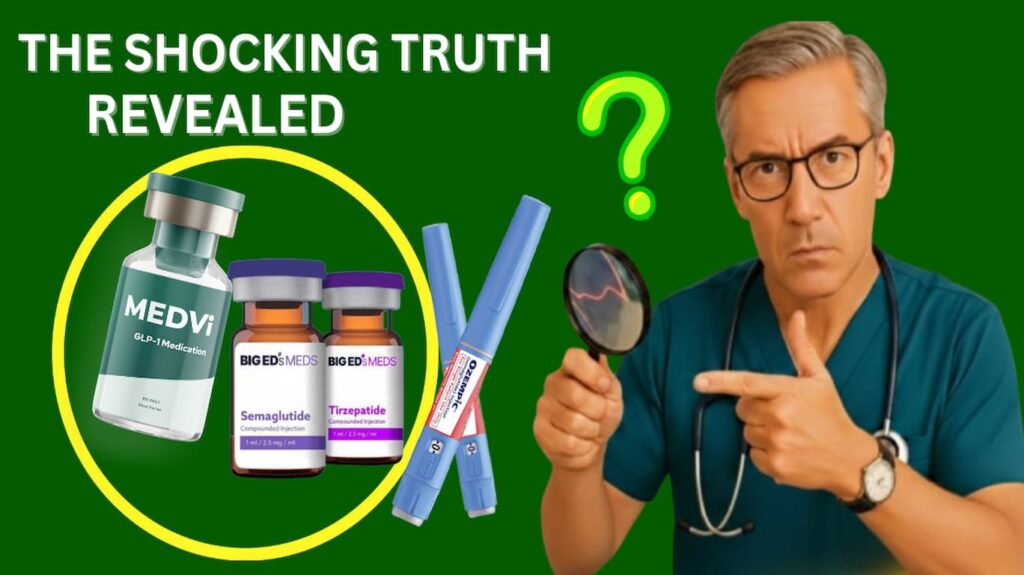
GLP-1 medications (glucagon-like peptide-1 receptor agonists) have become a hot topic for weight-loss therapy.
These drugs have earned strong user interest for their ability to reduce appetite, slow digestion, and lead to massive weight loss. But the big question many face: How much Glp Drugs For Weight Loss Cost Of Glp 1?
Without insurance or full coverage, many of these drugs run into the hundreds to thousands of dollars each month. That cost can be a barrier — even when the science looks promising.
With new policy moves and discount programs emerging in 2025, it’s more important than ever to understand how pricing works, what you’ll really pay out-of-pocket, and how to navigate coverage and alternatives.
Quick Overview
| Item | Details |
|---|---|
| Product Type | GLP-1 receptor agonist medications used for weight management (e.g., semaglutide, tirzepatide, liraglutide) |
| Typical Monthly Cost | ~$800-1,350+ (full retail list price without insurance) (NiceRx) |
| Discounted Cash Pay Options | Some manufacturers offer “cash/pay-direct” versions for ~$349-499/month in 2025 for select doses. (Medx) |
| Major Brands | Wegovy (semaglutide for weight), Zepbound (tirzepatide for weight), Saxenda (liraglutide for weight) |
| Coverage Reality | Many insurance plans cover GLP-1s for diabetes, fewer cover them purely for obesity/weight loss. (WebMD) |
| Guarantee / Risk | Prescription drugs with FDA-approved uses for weight/obesity, but high cost + limited coverage mean financial risk remains. |
👣 Ready to Explore? Let’s dig deeper — and prepare so you make an informed decision.
What Are GLP-1 Drugs for Weight Loss?
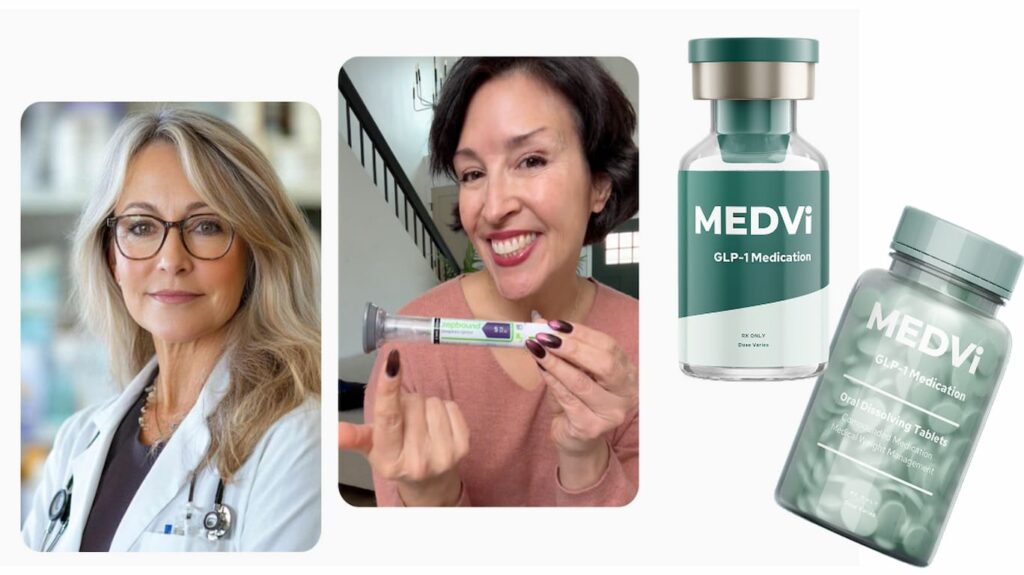
GLP-1 (glucagon-like peptide-1) receptor agonists mimic a hormone in your body that helps regulate blood sugar, digestion, and appetite.
For weight loss, these drugs are given to people with obesity or overweight who meet certain criteria, and they help by making you feel fuller, slowing gastric emptying, and reducing hunger signals.
Some examples:
- Wegovy® (semaglutide) — approved for chronic weight management.
- Zepbound® (tirzepatide) — approved for weight management in eligible patients.
- Saxenda® (liraglutide) — older weight-loss GLP-1 drug.
While originally developed for diabetes, their appetite/weight benefits have been leveraged more widely.
How Do Glp Drugs For Weight Loss Work?
Here are the key mechanisms in plain terms:
- Appetite suppression & fullness — The drug binds GLP-1 receptors in the brain, reduces hunger signals and increases feelings of satiety.
- Slowed digestion — The medication delays gastric emptying, so food stays in your stomach longer, helping you feel full.
- Caloric intake reduction — Because of less hunger and slower digestion, many users eat less, which over time contributes to weight loss.
- Metabolic effects & insulin regulation — These drugs may improve insulin sensitivity, reduce blood sugar, and affect fat metabolism, which benefits weight and overall health.
By tackling hunger, digestion, and metabolism, they offer a multi-pronged approach — much more than “just a diet pill.”
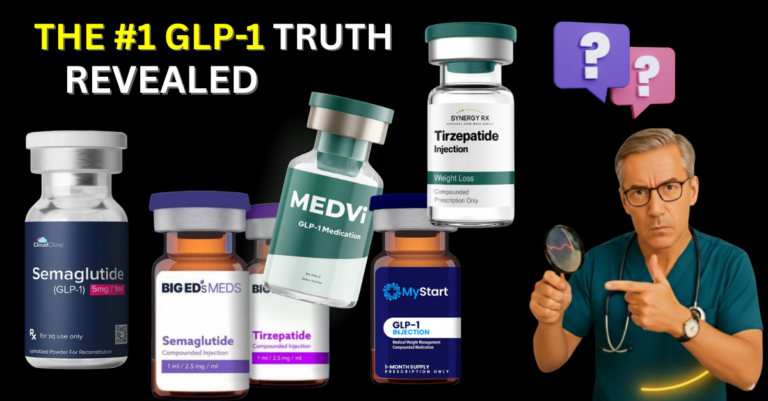
The Top 3 Best GLP-1 Med in The US
| # | GLP-1 Product | Highlights |
|---|---|---|
| 1 | Direct Meds GLP-1 | Personalized dosing, telehealth support, strong results for weight and glucose control. |
| 2 | MEDVI GLP | Custom treatment plans, professional monitoring, easy online access. |
| 3 | MY START GLP-1 | Beginner-friendly, affordable, guided dose program for new users. |
Key Benefits of Glp Drugs For Weight Loss
- Effective weight loss in many users – Many clinical trials show significant reductions in body weight when used as directed.
- Potential health benefits beyond weight – Improved blood sugar control, reduced risk of diabetes complications, maybe better cardiovascular outcomes in certain cases.
- Less invasive than surgery – Compared to bariatric surgery, injections/pills may be a lower-risk alternative (though each person’s situation differs).
- Growing access & programs – New payment/discount programs emerging in 2025 are improving affordability for some.
- Lifestyle support – When coupled with diet/exercise, these drugs often enhance results vs. lifestyle change alone.

Cost & Pricing Breakdown
Typical Retail List Prices (Without Insurance)
- Wegovy (semaglutide for weight): ~ US$1,300–1,350 per month for full dose. (Direct Meds GLP1)
- Zepbound (tirzepatide for weight): ~ US$1,060–1,100 per month list price. (MEDVI GLP)
- Saxenda (liraglutide for weight): ~ US$1,300–1,400 per month. (MY START GLP-1)
Cash/Direct-Pay Discounts
In 2025, some manufacturers or programs offer lower cash-pay options:
- Wegovy/Zepbound: ~ US$499/month for certain doses (manufacturer direct) rather than full list price. (Medx)
- In some markets, compounded versions (which are not FDA-approved generics) are offered at perhaps ~$147-199/month or more, though with major caveats. (Medx)
Global / Other Country Example
In India, GLP-1 injections for weight loss show monthly costs around ₹50,000-₹75,000 (~USD $600-$900) depending on dose and clinic. (Direct Meds GLP-1)
Insurance & Employer Plan Costs
Coverage is uneven. For instance, average monthly cost sharing for weight-loss GLP-1s in 2023 was ~$93 for one‐month supply (for commercially insured) but that still assumes the drug is covered. (masshpc.gov)
Annual cost to employer health plans is increasing rapidly. For example, one state health plan rose from ~$3 million/month spent on GLP-1s three years ago, to over ~$14 million/month by 2023. (shpnc.org)
Why So Expensive?
- Novel drug class, patents still active, no generics (for approved marketing).
- Complex manufacturing & regulatory costs.
- High demand (weight-loss market is large).
- Insurance may limit coverage, shifting cost to patients.
- Example: one analysis suggested it could be produced for far less than list price, making the difference a mark-up / market pricing issue. (asmbvs.org)
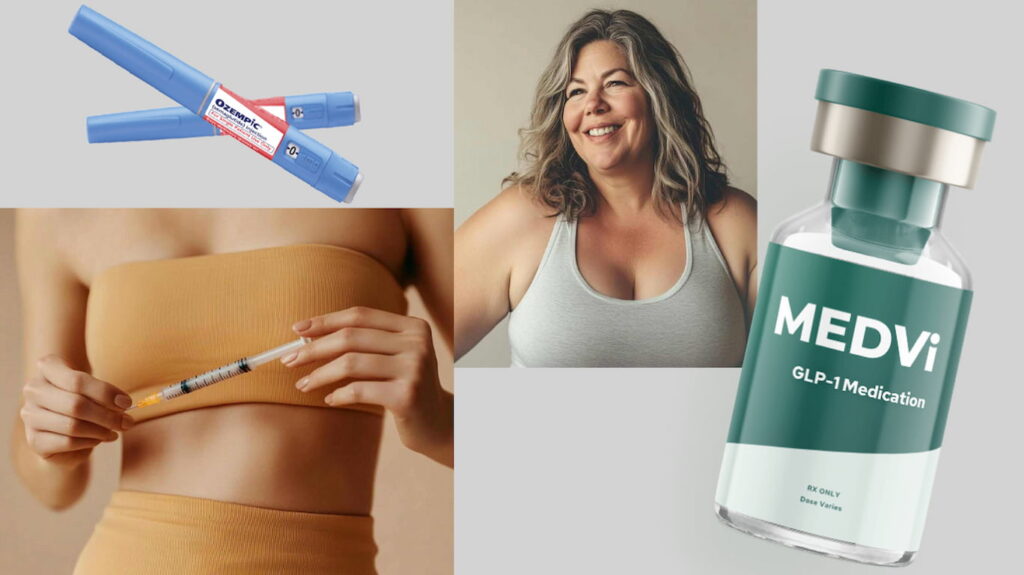
GLP Drugs For Weight Loss Pros & Cons
Pros
✅ Highly effective for appetite suppression and significant weight loss in many patients.
✅ Multi-mechanism action (hunger, digestion, metabolism).
✅ Non-surgical alternative for many.
✅ Growing discount/cash-pay options improving access.
✅ Potential health benefits beyond mere weight.
Cons
❌ Very high cost without insurance; monthly fees.
❌ Insurance coverage may exclude weight‐loss use (only cover diabetes) or require strict criteria. (WebMD)
❌ Side effects: nausea, gastrointestinal upset only in first two days
How to Use GLP Drugs For Weight Loss (and Access)
- Medical evaluation – You’ll need a doctor who can assess BMI, health status, comorbidities, and decide if GLP-1 therapy is appropriate.
- Prescription & dosing – Depending on drug, you’ll start at a lower dose and ramp up over weeks to months to manage side effects and find effective dose.
- Budget & coverage check – Ask your insurance if weight‐loss indication is covered or if only diabetes is covered. Determine your out-of-pocket.
- Cash/direct pay program – If insurance doesn’t cover, explore manufacturer programs or direct-pay options (e.g., ~$349-499/month) though dose and preparation may differ (e.g., vials vs pre-filled pens).
- Supporting lifestyle changes – These drugs support weight loss but work best when combined with diet, exercise, and behavioural changes.
- Monitor and maintain – Use regular follow-up, adjust dose as needed, monitor side effects, and have a plan for long-term maintenance.
Patient Feedback: Reviews & Complaints
“I paid around $349/month for Zepbound self-pay (vial form) and was told it goes up to ~$499 if the dose increases.” – Reddit user (Reddit)
“My insurance wouldn’t cover it because I didn’t meet the comorbidity criteria—cost was ~$1,200/mo list price.” – Reddit user (Reddit)
Common complaints:
- High cost and limited insurance coverage.
- Some users reported strong nausea when starting.
- Questions about what happens if you stop the drug: weight regain risk.
- Lower dose vials may still cost hundreds; “cheap” options may be non-FDA or unknown quality.
- Some providers warn about online “cheap GLP-1” offers that may be scams. (Holland Clinic)
Research & Rating Summary
| Category | Rating | Notes |
|---|---|---|
| Ingredient/Drug Efficacy | ⭐⭐⭐⭐⭐ | Strong trial evidence for weight loss when used appropriately. |
| Usability & Access | ⭐⭐☆☆☆ | Access is limited by cost and insurance barriers; improvements emerging. |
| Speed & Effectiveness | ⭐⭐⭐⭐☆ | Many users see weight reduction in months, but full effect may take longer. |
| Safety & Side Effects | ⭐⭐⭐☆☆ | Generally well-tolerated but not risk-free; side-effect profile must be managed. |
| Value for Money | ⭐⭐☆☆☆ | High cost makes value variable; discount programs help but still significant. |
Is It a Scam? The Verdict
No — these drugs are legitimate, FDA-approved medications in many uses (for example, Wegovy and Zepbound for weight management). However:
- The cost is real and high, and many people assume insurance covers them when it often doesn’t.
- Some “too good to be true” offers (e.g., “Wegovy for $99/month”) are scams or involve non-FDA-approved compounded versions. (Holland Clinic)
- You must work with a qualified medical professional, follow dosing, monitor side effects, and integrate lifestyle measures.
Therefore: It’s authentic but requires diligence in coverage, cost, and safe use.
Where & How to Buy (USA + Abroad)
- In the USA: Through a licensed physician and pharmacy. Check manufacturer patient assistance or cash-pay programs.
- If paying cash: Many programs now offer ~$349-499/month price depending on drug, dose, vial vs pen. (Direct Meds GLP1)
- Abroad: Some countries offer lower pricing but you must verify authenticity, regulatory approval, local medical oversight. Example: India monthly cost ~ ₹50,000-₹75,000 for GLP-1 injections for weight loss. (MEDVI GLP)
- Beware: Online “compounded” or “cheap generic” GLP-1s may not be approved and pose safety risks. Always verify source.
The Final Verdict: GLP Drugs For Weight Loss Cost Of GLP 1
GLP-1 drugs represent one of the most promising non-surgical therapies for weight management in recent years.
Their ability to suppress appetite, improve metabolism, and support sustained weight loss is well-documented. But the cost barrier is real — with out-of-pocket prices exceeding $1,000/month for some brand-name drugs in 2025.
If you’re eligible, have medical oversight, and can budget for it (or navigate a discount/insurance path), a GLP-1 could be a game-changer.
When cost or access is a hurdle, you’ll need to weigh (no pun intended) whether the expected weight-loss and health outcomes justify the expense and commit to the lifestyle support required.
👉 If you’re considering starting a GLP-1 for weight loss: talk to your doctor, ask about full cost (insurance + out-of-pocket), ask about dose and duration, and plan for the long-term (including what happens if you stop).
(FAQ): Glp Drugs For Weight Loss Cost Of Glp 1
Q1: How soon will I see weight-loss results with a GLP-1?
A: Many users begin to see reduced appetite and modest weight loss within a few weeks. Significant weight changes typically occur over 3–6 months or longer when combined with diet/exercise.
Q2: Are GLP-1 drugs safe for everyone (e.g., people with diabetes, heart conditions, seniors)?
A: They are generally safe when prescribed and monitored by a doctor. However, you need to disclose all medical conditions — some have contraindications or require extra monitoring (e.g., history of pancreatitis, gallbladder issues, thyroid cancer risk). Always consult your physician.
Q3: What if my insurance won’t cover the GLP-1 for weight loss?
A: Ask your provider if the drug is covered for your indication (weight vs diabetes). Explore manufacturer patient-assistance programs, cash-pay deals (~$349-499/month in US 2025), or telehealth programs. But be sure you understand full cost.
Q4: How does a GLP-1 compare to bariatric surgery in cost and outcome?
A: Bariatric surgery typically costs ~$15,000–$25,000 in the US. (asmbvs.org) GLP-1 drugs are less invasive but may cost several thousand dollars/year and may require long-term use. Outcomes vary by person. Surgery often results in larger total weight loss for many patients with severe obesity.
Q5: What happens if I stop using a GLP-1 after significant weight loss?
A: Without lifestyle changes, some weight regain is common. These drugs support the process, but long-term success depends on diet, physical activity, and behavior. You should have a transition plan.
Referenses
1.“GLP-1 Receptor Agonists for the Reduction of Atherosclerotic Cardiovascular Disease”
Source: Circulation (American Heart Association)
Link:https://www.ahajournals.org/doi/10.1161/CIRCULATIONAHA.122.059595
2.“GLP-1 receptor agonists in the treatment of type 2 diabetes”
Source: PubMed Central (PMC)
Link:https://pmc.ncbi.nlm.nih.gov/articles/PMC8085572/
3.“Mapping the effectiveness and risks of GLP-1 receptor agonists”
Source: Nature Medicine
Link:https://www.nature.com/articles/s41591-024-03412-w
4.“GLP-1 receptor agonists: a review of head-to-head clinical studies”
Source: PubMed Central (PMC)
Link:https://pmc.ncbi.nlm.nih.gov/articles/PMC4321870/

With over 13 years of experience in holistic health blogging, I aim to help you navigate your wellness journey with honest insights, expert-backed advice, and a sprinkle of real-world practicality.
Certified Wellness Writer | Herbal Nutrition Advocate | Wellness Research Enthusiast
- Cheapest GLP-1 Without Insurance Review – 7 Affordable Options Compared - January 6, 2026
- ProstaPeak Review: Is This the Best Prostate Solution for Men Over 40? - November 23, 2025
- Orivelle Fungus Pen Review: Do Not Buy Until You’ve Read This - November 19, 2025