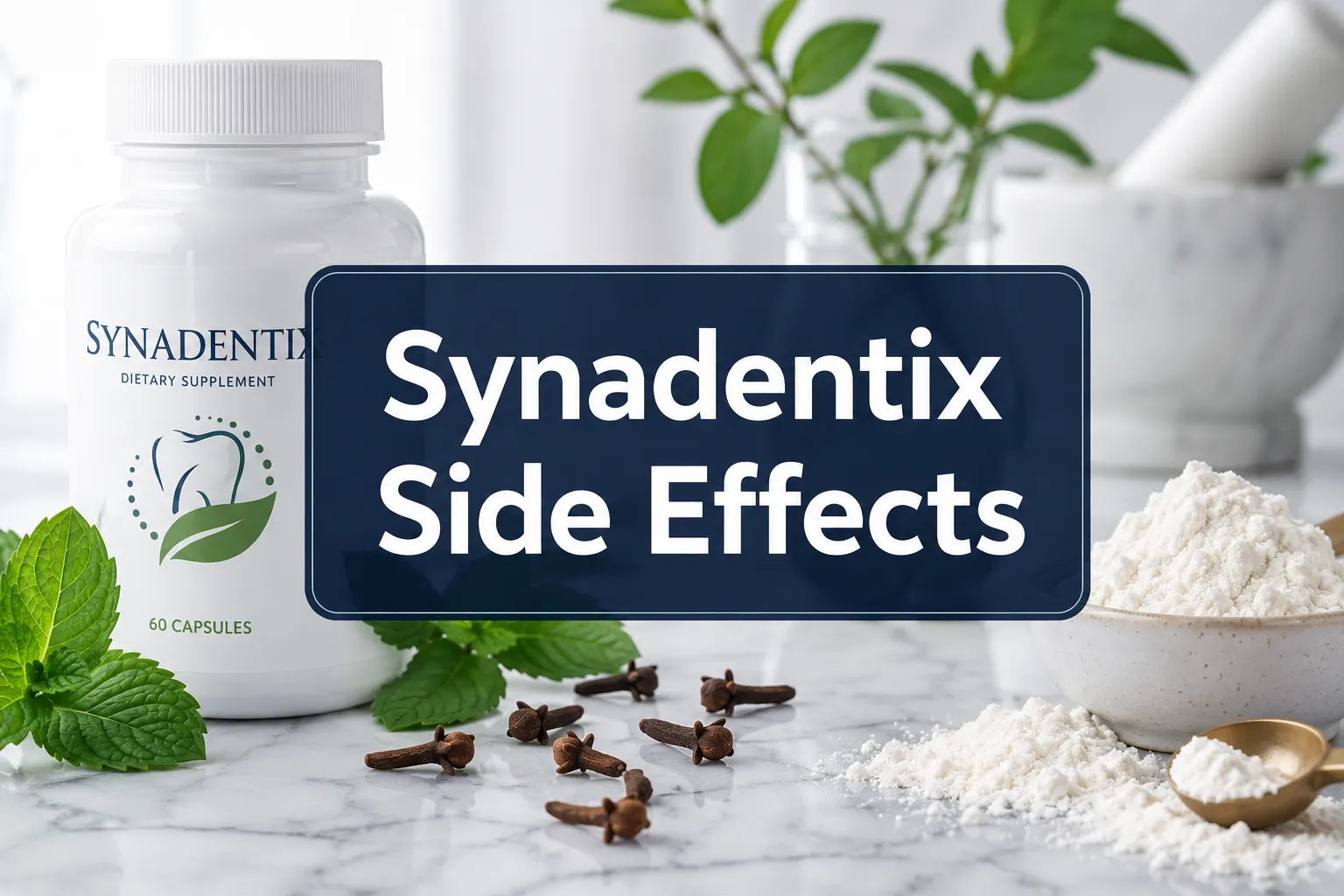
Synadentix Side Effects
Last updated: July 25, 2026
Quick Answer: Synadentix is an oral health supplement marketed to support gum health, freshen breath, and strengthen teeth using a blend of botanical and probiotic ingredients. Most reported Synadentix side effects are mild and temporary, including digestive discomfort and dry mouth. Serious adverse reactions are rare but possible, and certain groups, including pregnant women, people on blood thinners, and those with liver conditions, should consult a doctor before use.
Key Takeaways
- Most Synadentix side effects are mild: nausea, bloating, and temporary dry mouth are the most commonly reported.
- Serious side effects are uncommon but include allergic reactions and potential interactions with blood-thinning medications.
- Elderly users over 65 may be more sensitive to certain herbal ingredients in the formula.
- Synadentix is not recommended during pregnancy or breastfeeding without medical clearance.
- Long-term safety data for Synadentix specifically is limited; general supplement safety principles apply.
- People with liver disease, kidney conditions, or autoimmune disorders should seek medical advice before starting.
- Alcohol can amplify digestive side effects and may affect how certain herbal compounds are processed.
- If you experience swelling, rash, difficulty breathing, or severe stomach pain, stop use immediately and seek medical care.
- Natural alternatives like improved oral hygiene habits and probiotic-rich foods carry fewer interaction risks.
- Always disclose supplement use to your dentist and primary care physician.
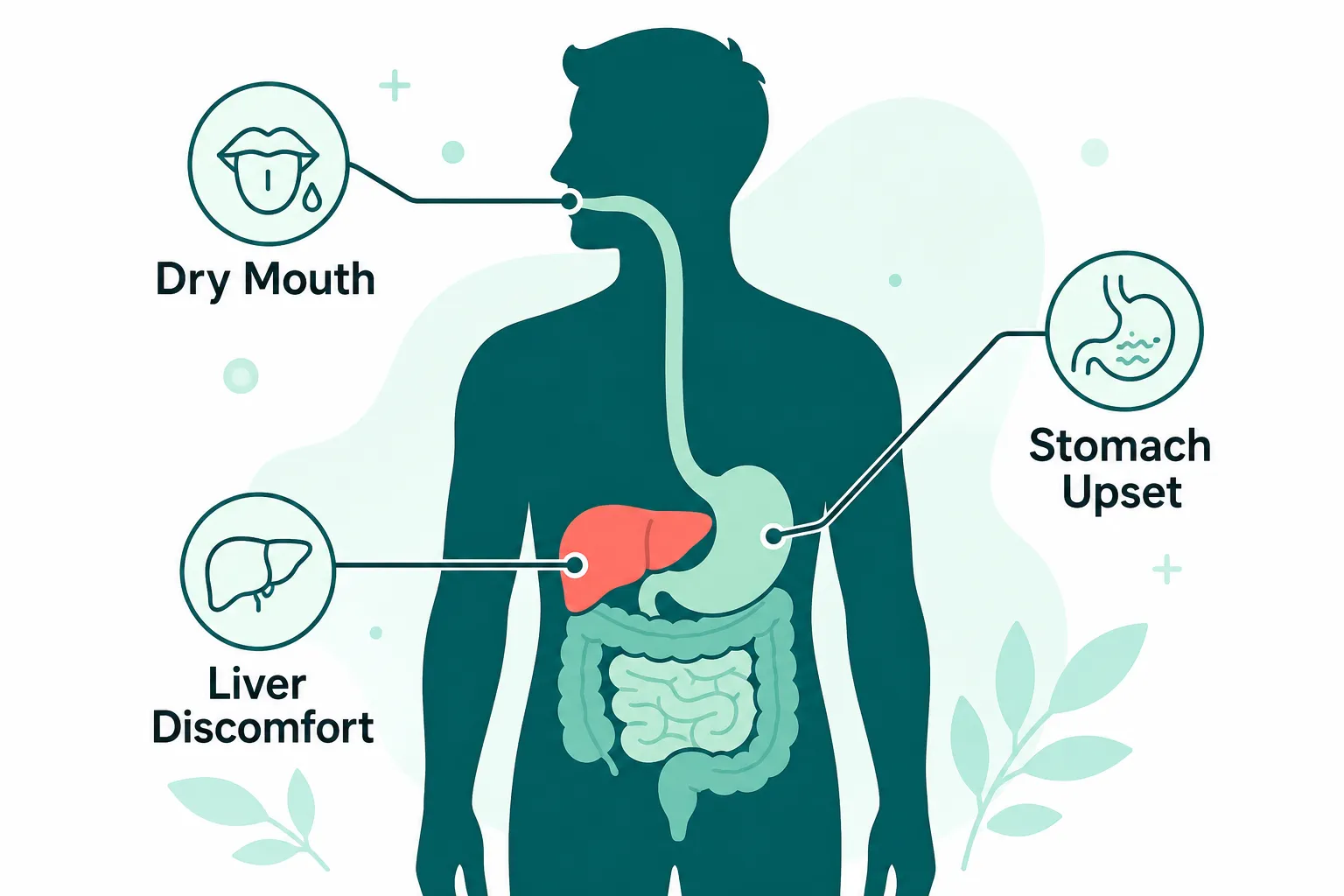
What Are the Most Common Side Effects of Synadentix
The most commonly reported Synadentix side effects are gastrointestinal in nature and tend to resolve within the first one to two weeks of use. These include mild nausea, bloating, loose stools, and occasional stomach cramping, particularly when the supplement is taken on an empty stomach.
Other frequently noted reactions include:
- Dry mouth, some users report temporary dryness, possibly linked to astringent herbal extracts in the formula
- Mild headache, reported during the first few days, likely an adjustment response
- Altered taste, a temporary metallic or herbal aftertaste following ingestion
- Increased thirst, minor and typically resolves within days
Common mistake: Many users stop taking Synadentix after two or three days because of initial stomach upset, not realizing these reactions often fade as the body adjusts. Taking the supplement with food and a full glass of water reduces this risk considerably.
For context on how oral health supplements generally behave, our guide to best oral health supplements for stronger teeth and gums covers what to expect during the adjustment period.
Is Synadentix Safe to Take Long Term
Synadentix appears generally safe for most healthy adults when taken as directed for short to medium-term periods. However, long-term safety data specific to this product is limited, which is typical for dietary supplements that are not subject to the same clinical trial requirements as pharmaceutical drugs.
Key considerations for long-term use:
- Herbal ingredients like clove, peppermint oil, and certain antimicrobial botanicals are well-tolerated in most adults at standard doses, but prolonged high-dose use of some botanicals has been linked to liver stress in rare cases.
- Probiotic strains, if included in the formula, are generally considered safe for extended use in healthy individuals.
- Periodic breaks (cycling off every three months for two to four weeks) are a common precautionary approach recommended by integrative health practitioners for herbal supplements.
Decision rule: If you have no underlying health conditions and experience no adverse reactions after 30 days, continued use under periodic medical review is reasonable. If you have a chronic condition or take daily medications, limit initial use to 30 days and reassess with your doctor.
Synadentix Serious Side Effects to Watch For
While rare, certain Synadentix side effects warrant immediate medical attention. These are not typical adjustment reactions, they signal a potentially serious response.
Stop use and seek care if you notice:
- Swelling of the face, lips, or throat, a possible sign of allergic reaction or anaphylaxis
- Severe abdominal pain or cramping that does not resolve within 24 hours
- Yellowing of the skin or eyes (jaundice), a potential indicator of liver stress
- Skin rash, hives, or itching spreading beyond a localized area
- Rapid or irregular heartbeat following ingestion
- Difficulty breathing
These reactions are uncommon but documented with herbal supplement formulas containing concentrated botanical extracts. Anyone with a known allergy to clove, peppermint, or related plants should review the ingredient label carefully before use.
Synadentix Side Effects in Elderly Patients
Older adults aged 65 and above face a moderately higher risk of experiencing Synadentix side effects compared to younger users. This is not unique to Synadentix, it reflects how aging affects supplement metabolism generally.
Specific concerns for elderly users:
- Slower liver metabolism means herbal compounds clear the body more slowly, increasing the chance of accumulation and side effects.
- Polypharmacy risk, older adults are statistically more likely to take multiple prescription medications, raising the chance of interactions (see the interactions section below).
- Increased sensitivity to probiotic strains, those with compromised immune systems should use probiotic-containing supplements cautiously.
- Digestive sensitivity, reduced stomach acid production in older adults can alter how the supplement is absorbed and tolerated.
Edge case: Elderly users taking anticoagulants like warfarin should be particularly cautious, as some herbal ingredients (notably clove-derived eugenol) may have mild blood-thinning properties. This is covered in more detail in our article on long-term effects of medications on prostate enlargement which discusses how aging changes supplement and drug metabolism.
Does Synadentix Interact With Other Medications
Yes, Synadentix may interact with certain medications, and this is one of the more clinically significant safety concerns. The interaction risk is primarily driven by herbal ingredients rather than vitamins or minerals.
Known and potential interactions:
| Medication Type | Potential Interaction | Risk Level |
|---|---|---|
| Blood thinners (warfarin, aspirin) | Clove/eugenol may enhance anticoagulant effect | Moderate |
| Immunosuppressants | Probiotic strains may alter immune response | Low-Moderate |
| Antibiotics | May reduce probiotic efficacy if taken simultaneously | Low |
| Diabetes medications | Some botanicals may mildly affect blood sugar | Low-Moderate |
| Liver-processed drugs (statins, etc.) | Herbal extracts may compete for CYP450 enzymes | Low-Moderate |
Practical rule: Space Synadentix at least two hours apart from any prescription medication. Always inform your pharmacist about new supplements, they can flag interactions your doctor may not be aware of.
Can You Take Synadentix If You Have Liver Problems
People with existing liver disease, elevated liver enzymes, or a history of drug-induced liver injury should avoid Synadentix without explicit medical clearance. This caution applies broadly to herbal supplements, not just Synadentix.
Several botanical ingredients commonly found in oral health supplements, including concentrated peppermint extracts and antimicrobial herbs, are processed by the liver. In individuals with compromised liver function, these compounds may accumulate to levels that worsen existing damage or mask symptoms of progression.
If you have fatty liver disease, hepatitis, or cirrhosis, discuss any new supplement with your hepatologist or gastroenterologist first. For related context on how supplements affect liver health, see our review of hidden side effects in herbal supplements.
Synadentix Side Effects With Alcohol
Combining Synadentix with alcohol is not recommended, particularly for regular or heavy drinkers. Alcohol and several herbal supplement ingredients are both metabolized in the liver, which can strain hepatic function when taken together.
Additional concerns include:
- Amplified digestive side effects, alcohol irritates the gut lining, and combined with herbal extracts, nausea and stomach discomfort may worsen.
- Dehydration interaction, alcohol is dehydrating, which can intensify dry mouth, a reported Synadentix side effect.
- Reduced supplement efficacy, alcohol disrupts the oral microbiome, potentially counteracting the probiotic or antimicrobial benefits Synadentix is intended to deliver.
Practical guidance: Avoid taking Synadentix within two to three hours of alcohol consumption. If you drink regularly, disclose this to your doctor when discussing supplement use.
Who Should Not Take Synadentix
Certain individuals should avoid Synadentix entirely or only use it under direct medical supervision.
Do not take Synadentix without medical clearance if you:
- Are pregnant or breastfeeding
- Have active liver or kidney disease
- Take prescription blood thinners or anticoagulants
- Are undergoing chemotherapy or immunosuppressive therapy
- Have a known allergy to clove, peppermint, or related botanical families
- Are under 18 years of age (this product is formulated for adults)
- Have a history of drug-induced liver injury from supplements
Use with caution if you:
- Are over 65 and take multiple daily medications
- Have type 1 or type 2 diabetes managed with medication
- Have inflammatory bowel disease or other chronic digestive conditions
For a broader comparison of which oral health supplements carry the fewest contraindications, our Dentaduard reviews and complaints article covers a similar product profile.
How Long Do Synadentix Side Effects Last
Most mild Synadentix side effects resolve within seven to fourteen days as the body adjusts to the new ingredients. Digestive symptoms like bloating and nausea are typically the first to fade, usually within the first week.
General timeline:
- Days 1-3: Nausea, bloating, or altered taste most likely to appear
- Days 4-7: Symptoms typically begin to diminish
- Days 7-14: Most users report full resolution of initial side effects
- Beyond 14 days: Persistent symptoms suggest the product may not suit your physiology and discontinuation is advisable
If side effects persist beyond two weeks or worsen at any point, stop use and consult a healthcare provider. Serious reactions (rash, swelling, jaundice) require immediate attention regardless of timing.
What Should I Do If I Experience Synadentix Side Effects
The appropriate response depends on the severity of the reaction. For mild symptoms, simple adjustments often resolve the issue. For serious symptoms, stop use immediately.
Step-by-step response guide:
- Mild symptoms (nausea, bloating, dry mouth): Take the supplement with food and a full glass of water. Reduce to half the recommended dose for one week before returning to the full dose.
- Persistent mild symptoms beyond 14 days: Discontinue use and note which symptoms occurred and when they started.
- Moderate symptoms (persistent headache, skin redness, stomach pain): Stop use and contact your primary care physician within 24-48 hours.
- Severe symptoms (swelling, difficulty breathing, jaundice, rapid heartbeat): Stop use immediately and seek emergency medical care or call emergency services.
- Document everything: Note the product lot number, dose taken, time of reaction, and any other supplements or medications taken that day. This information helps your doctor assess the cause.
For related guidance on managing supplement reactions, our article on ways to boost beneficial mouth bacteria discusses safer, food-based approaches to oral microbiome support.
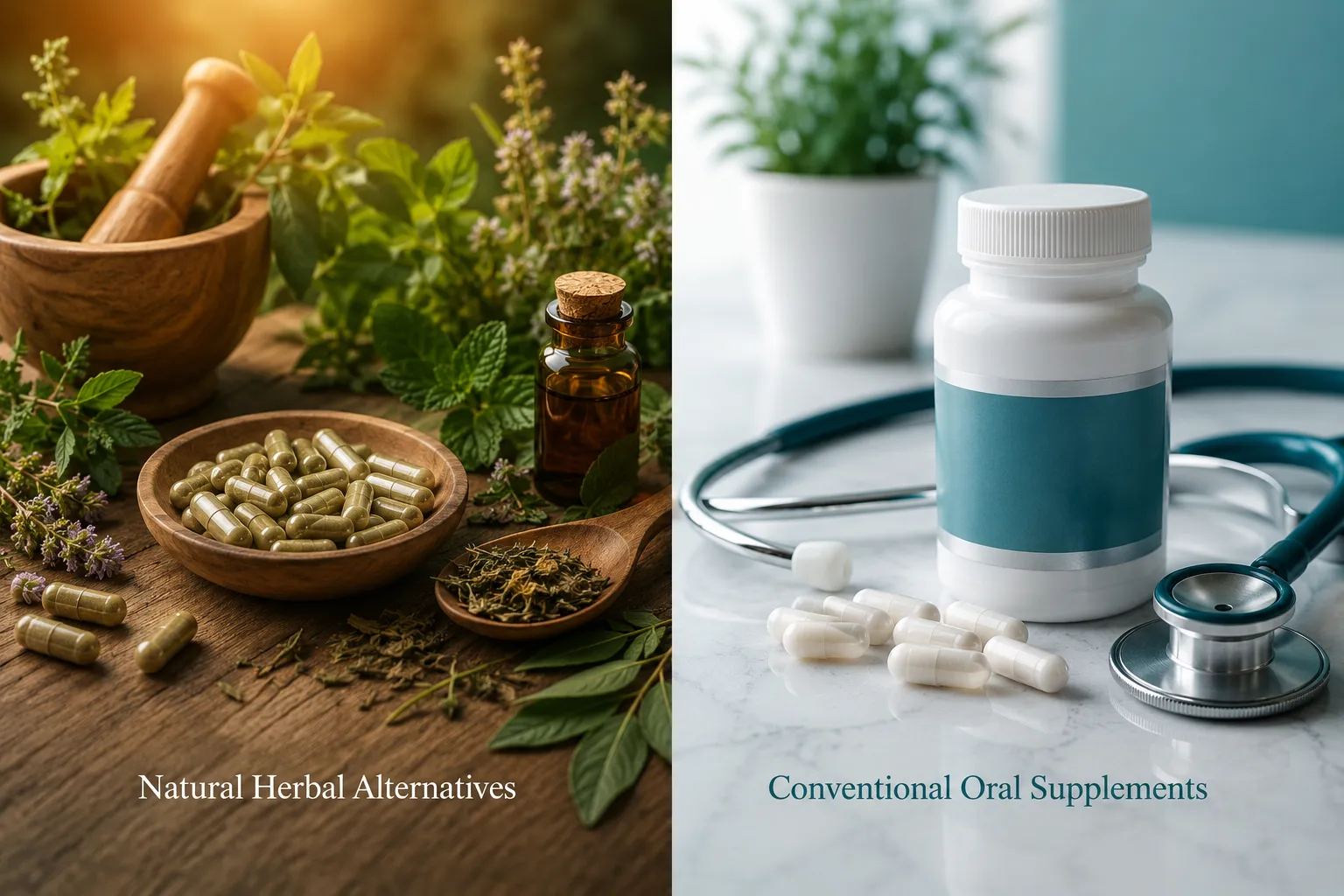
Synadentix Side Effects Compared to Natural Alternatives
Compared to natural oral health approaches, Synadentix carries a higher (though still modest) risk of side effects simply because it delivers concentrated botanical extracts in capsule form rather than through whole foods.
Natural alternatives with lower side effect profiles:
- Oil pulling with coconut oil, no known systemic side effects; limited to oral use
- Probiotic-rich foods (yogurt, kefir, fermented vegetables), deliver beneficial bacteria with minimal risk
- Green tea, contains natural antimicrobial polyphenols; well-tolerated at dietary amounts
- Xylitol chewing gum, clinically studied for plaque reduction with a strong safety record
Where Synadentix may have an edge: Convenience and a broader ingredient combination in one dose. The trade-off is a higher chance of ingredient interactions compared to single-ingredient natural approaches.
Choose natural alternatives if: You are on multiple medications, are elderly, have a sensitive digestive system, or prefer the lowest possible risk profile. If you want a broader look at how to support your oral health naturally, see our guide on how to stop tooth pain and our coverage of best oral health supplements.

What Experts Say About Synadentix Safety
No large-scale clinical trials specific to Synadentix have been published in peer-reviewed journals as of 2026. This is common for branded oral health supplements, which are regulated as dietary supplements in the US, Canada, UK, and Australia rather than as pharmaceuticals.
General expert consensus on supplement safety relevant to Synadentix:
- The American Dental Association (ADA) does not endorse specific oral health supplements but acknowledges that certain probiotic strains show early promise for gum health support (ADA, 2023).
- A 2022 review in the Journal of Clinical Periodontology found that herbal antimicrobial ingredients (including clove and peppermint) demonstrated measurable antibacterial activity against common oral pathogens, but noted that clinical evidence for long-term safety in supplement form remains limited.
- Registered dietitians and integrative dentists generally advise treating oral health supplements as complementary to, not replacements for, brushing, flossing, and regular dental checkups.
Bottom line from a practitioner standpoint: Synadentix is unlikely to cause serious harm in healthy adults who follow dosing instructions, but it should not be used as a substitute for professional dental care.
Frequently Asked Questions About Synadentix Side Effects
Q: Can Synadentix cause weight gain?
No evidence suggests Synadentix causes weight gain. The formula targets oral health and does not contain hormones, steroids, or appetite-stimulating compounds. Any weight change is almost certainly unrelated to the supplement.
Q: Is Synadentix safe during pregnancy?
Synadentix is not recommended during pregnancy. Several herbal ingredients in oral health supplements have not been studied in pregnant populations, and some botanicals (including clove-derived compounds) may stimulate uterine contractions at high doses. Consult your OB-GYN before use.
Q: Can I take Synadentix with antibiotics?
You can, but space them at least two hours apart. Taking probiotics simultaneously with antibiotics reduces the probiotic’s effectiveness. Some practitioners recommend waiting until the antibiotic course is complete before restarting probiotic-containing supplements.
Q: Will Synadentix interact with my blood pressure medication?
Most blood pressure medications have low interaction risk with standard oral health supplement ingredients. However, some herbal extracts may have mild vasodilatory effects. Disclose all supplements to your prescribing physician to be safe.
Q: How do I know if I’m having an allergic reaction to Synadentix?
Signs of an allergic reaction include skin hives, itching, facial swelling, difficulty breathing, or a rapid heartbeat appearing within minutes to hours of taking the supplement. Stop use immediately and seek medical care if these occur.
Q: Can Synadentix damage teeth or gums?
No evidence suggests Synadentix damages teeth or gums. It is formulated to support oral health. However, it is not a replacement for professional dental care, and any new or worsening gum symptoms should be evaluated by a dentist.
Q: Is Synadentix FDA-approved?
No. Like all dietary supplements sold in the US, Synadentix is not FDA-approved. The FDA regulates supplements under DSHEA (Dietary Supplement Health and Education Act), which does not require pre-market approval but does prohibit false health claims.
Q: When should I call my doctor about Synadentix side effects?
Call your doctor if: side effects persist beyond two weeks, you experience any allergic reaction symptoms, you develop jaundice or severe abdominal pain, or you notice any unusual changes in your health after starting the supplement.
Q: Can I take Synadentix if I have kidney disease?
Use caution. Some herbal compounds are excreted through the kidneys, and impaired kidney function may lead to accumulation. Consult your nephrologist before use.
Q: Does Synadentix cause dry mouth long term?
Dry mouth reported with Synadentix appears to be temporary and typically resolves within the first week. If dry mouth persists, it may indicate the product does not suit your physiology and discontinuation is recommended.
Conclusion
Synadentix side effects are, for most healthy adults, mild and short-lived. Digestive discomfort, temporary dry mouth, and a brief adjustment period are the most likely reactions, and these typically resolve within one to two weeks. The more serious risks, liver stress, allergic reactions, and medication interactions, are uncommon but real, particularly for elderly users, those with chronic health conditions, and anyone on prescription medications.
Actionable next steps:
- Before starting: Review the full ingredient list for known allergens, and disclose the supplement to your doctor and dentist.
- During the first two weeks: Take with food and water, start at a lower dose if your stomach is sensitive, and track any symptoms in a simple log.
- If symptoms arise: Follow the severity-based response guide above. Mild symptoms warrant a dose adjustment; serious symptoms warrant stopping use and seeking medical care.
- Long term: Treat Synadentix as a complement to, not a replacement for, daily brushing, flossing, and professional dental visits.
- Consider alternatives: If you have multiple risk factors, food-based approaches to oral microbiome support carry a lower interaction risk and are worth exploring first.
For a broader look at how oral health supplements compare, visit our best oral health supplements guide or read our Dentaduard review for a side-by-side perspective on similar products.
References
- American Dental Association. (2023). Oral health topics: Dietary supplements. ADA.org.
- Teughels, W., et al. (2022). Herbal antimicrobial agents in periodontal therapy: A systematic review. Journal of Clinical Periodontology, 49(3), 211-228.
- National Institutes of Health Office of Dietary Supplements. (2023). Dietary supplement fact sheets. NIH.gov.
- Cochrane Oral Health Group. (2020). Probiotics for the prevention and treatment of periodontal disease. Cochrane Database of Systematic Reviews.
- U.S. Food and Drug Administration. (2022). Dietary supplements: What you need to know. FDA.gov.
Tags: Synadentix side effects, oral health supplements, supplement safety, gum health, dental supplement risks, herbal supplement interactions, probiotic supplements, supplement side effects, natural oral care, teeth and gums, supplement warnings, dental health