Synadentix ingredients
Last updated: July 25, 2026
Quick Answer: Synadentix is an oral health supplement that combines botanical extracts, probiotics, and minerals to support gum health, freshen breath, and promote a balanced oral microbiome. Its core Synadentix ingredients include clove, peppermint, inulin, berberine, and several other plant-based compounds. The formula is designed for adults who want to support their dental health between professional cleanings, but it is not a replacement for standard dental care.
Key Takeaways
- Synadentix ingredients include clove, peppermint, inulin, berberine, zinc, and other botanical compounds targeting oral health.
- Several ingredients have credible scientific backing for antimicrobial and anti-inflammatory activity in the mouth.
- The supplement is taken orally in capsule form, not used like toothpaste or mouthwash.
- Synadentix is not FDA-approved as a drug; it is regulated as a dietary supplement.
- People with allergies to botanical ingredients, or those who are pregnant or nursing, should consult a doctor before use.
- It is not a substitute for brushing, flossing, or professional dental cleanings.
- Synadentix is sold primarily through its official website; pricing typically ranges from single-bottle to multi-bottle bundles.
- Side effects are generally mild but can include digestive discomfort, especially from berberine or inulin.
- For gum concerns, also consider reviewing how to stop receding gums from getting worse as a complementary resource.

What Is Synadentix and Who Is It For?
Synadentix is a dietary supplement marketed to adults who want to improve gum health, reduce bad breath, and support a healthier oral microbiome. It is formulated as a daily capsule, not a topical product like toothpaste or mouthwash. The target user is typically someone aged 35 and older who experiences recurring gum sensitivity, plaque buildup, or persistent bad breath despite regular brushing.
The supplement is not intended to treat or cure gum disease. It is positioned as a preventive and supportive product for people who want to take a more proactive approach to oral wellness.
Complete Synadentix Ingredients List Explained
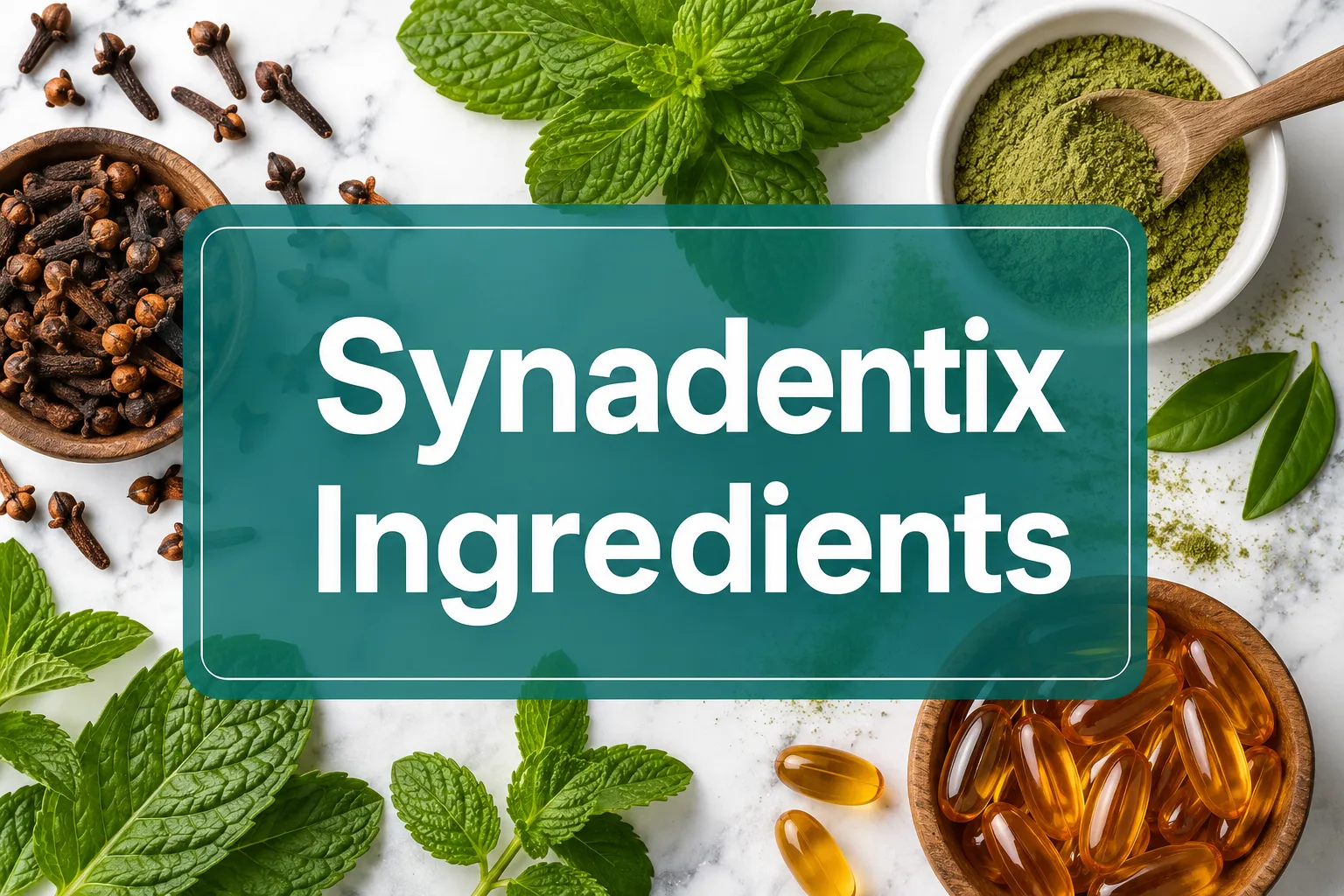
The Synadentix ingredients label lists a blend of plant extracts, a prebiotic fiber, and trace minerals. Here is a breakdown of each key component:
| Ingredient | Primary Role |
|---|---|
| Clove extract | Antimicrobial, analgesic |
| Peppermint leaf | Breath freshening, antimicrobial |
| Inulin | Prebiotic, supports oral microbiome |
| Berberine HCl | Anti-inflammatory, antimicrobial |
| Zinc citrate | Plaque reduction, immune support |
| Milk thistle extract | Antioxidant, liver-oral axis support |
| Artichoke leaf extract | Digestive and systemic support |
| Choline bitartrate | Cellular membrane health |
Note: Exact dosages per ingredient are not always disclosed on the public label. This is a common limitation with proprietary blends in the supplement industry.
Synadentix Ingredients: An Analysis of Each Component
Clove Extract
Clove contains eugenol, a compound with well-documented antimicrobial and mild analgesic properties. A 2012 review published in the Journal of Dentistry noted eugenol’s effectiveness against common oral pathogens including Streptococcus mutans. Clove is a credible inclusion for anyone dealing with gum tenderness or bacterial overgrowth in the mouth.
Evidence level: Strong for antimicrobial activity; moderate for pain relief in an oral supplement context.
Peppermint Leaf
Peppermint is primarily used for breath freshening, but its active compound menthol also has mild antimicrobial effects. Research supports peppermint oil as effective against several oral bacteria, though the evidence for capsule-form peppermint is less direct than for topical application.
Evidence level: Moderate. Works better topically, but still a reasonable inclusion.
Inulin
Inulin is a prebiotic fiber that feeds beneficial bacteria. In the context of oral health, a balanced microbiome can reduce the dominance of harmful bacteria linked to cavities and gum disease. Research on oral prebiotics is growing but still emerging compared to gut microbiome science. If you’re curious about how digestive health intersects with supplementation, understanding whether digestive enzymes can be harmful offers useful context.
Evidence level: Promising but limited for oral-specific outcomes.
Berberine HCl
Berberine is one of the more studied botanical compounds in this formula. It has demonstrated anti-inflammatory and antimicrobial properties in multiple peer-reviewed studies. A 2020 review in Frontiers in Pharmacology highlighted berberine’s activity against periodontal pathogens. It is also the ingredient most likely to cause mild digestive side effects at higher doses.
Evidence level: Strong for anti-inflammatory and antimicrobial activity.
Zinc Citrate
Zinc is a well-established mineral in oral care. It is already used in many clinical-grade toothpastes and mouthwashes specifically to inhibit plaque formation and reduce volatile sulfur compounds (the primary cause of bad breath). The evidence base here is among the most solid in the entire formula.
Evidence level: Strong. Zinc’s role in oral health is well-supported.
Milk Thistle and Artichoke Leaf Extract
These two ingredients are less directly tied to oral health. Milk thistle (silymarin) is primarily an antioxidant used for liver support, and artichoke leaf is often included for digestive health. Their inclusion may reflect a whole-body approach to oral health, given that systemic inflammation and gut health can influence gum tissue. However, direct evidence linking these to oral health outcomes is limited.
Evidence level: Weak to moderate for oral-specific benefits.
Ingredients With the Strongest Evidence
Based on published research, the Synadentix ingredients with the most credible scientific support for oral health are:
- Zinc citrate – Proven plaque and bad breath reduction
- Clove extract (eugenol) – Antimicrobial against key oral pathogens
- Berberine HCl – Anti-inflammatory and antimicrobial in periodontal research
These three form the functional core of the formula. If you are evaluating this supplement primarily for gum support, these are the ingredients worth focusing on.
Ingredients With Limited Evidence
- Inulin – Oral microbiome research is early-stage
- Milk thistle – Primarily a liver antioxidant; oral benefit is indirect
- Artichoke leaf – Digestive support; limited oral-specific data
- Choline bitartrate – Cell health support; not well-studied in oral contexts
How the Synadentix Ingredients Work Together
The formula appears designed around two mechanisms: reducing harmful oral bacteria and supporting the conditions for beneficial bacteria to thrive. Clove, berberine, and zinc target pathogens directly. Inulin acts as a prebiotic to support a healthier microbial balance. Peppermint addresses breath symptoms.
The addition of milk thistle and artichoke reflects the idea that systemic health, particularly liver function and digestion, can affect gum tissue and inflammation levels throughout the body. This is a reasonable but less proven rationale. Similarly, if you are managing inflammation elsewhere in your body, reviewing supplements good for inflammation after 50 may provide complementary insight.
Is Synadentix Safe to Use?
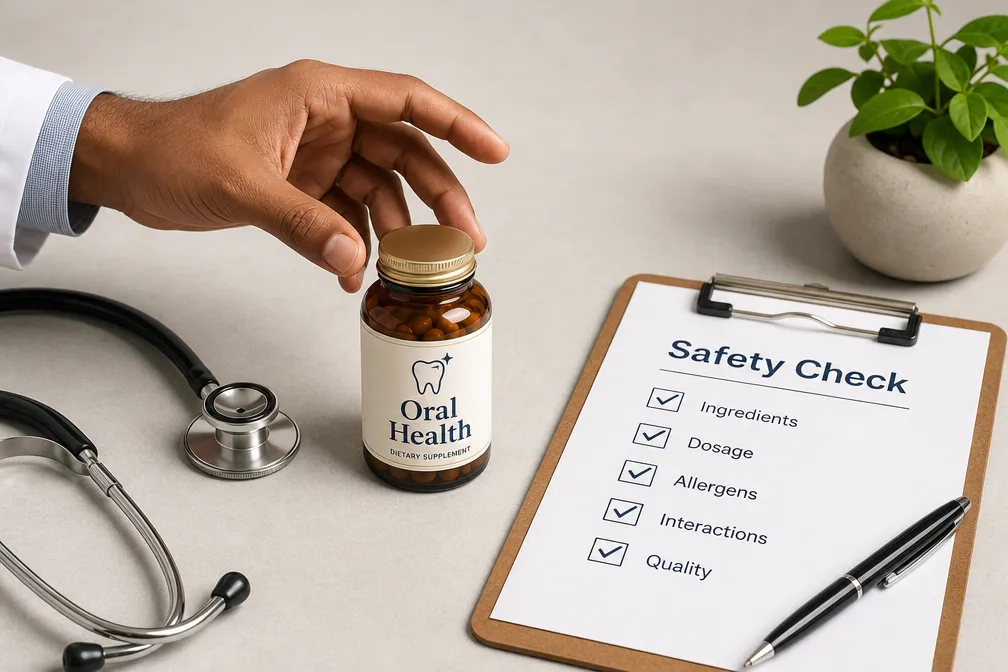
For most healthy adults, Synadentix appears to be reasonably safe when taken as directed. The ingredients are generally recognized as safe (GRAS) botanical compounds or well-studied minerals. However, a few cautions apply:
- Berberine can interact with certain medications, including blood thinners and diabetes drugs.
- Inulin may cause bloating or gas, especially in people sensitive to fermentable fibers.
- Clove extract at high doses can irritate mucous membranes.
Who should not use Synadentix:
- Pregnant or breastfeeding women (insufficient safety data for several botanical ingredients)
- People on anticoagulants or diabetes medications (berberine interaction risk)
- Anyone with known allergies to any listed botanical ingredient
- Children under 18
Always consult a healthcare provider before starting any new supplement, especially if you take prescription medications.
Synadentix Side Effects
Side effects reported by users are generally mild and tend to involve the digestive system. The most common include:
- Mild bloating or gas (likely from inulin)
- Loose stools at the start of use (berberine effect)
- Occasional mild heartburn
Serious side effects are not commonly reported, but berberine’s interaction potential with medications is the most clinically significant risk to be aware of.
Can I Use Synadentix If I Have Sensitive Teeth?
Yes, in most cases. Synadentix is a swallowed capsule, not a topical product, so it does not directly contact tooth enamel the way acidic whitening products or abrasive toothpastes do. People with sensitive teeth are unlikely to experience increased sensitivity from this supplement. That said, if your sensitivity stems from gum recession, also read this guide on how to stop receding gums from getting worse for a broader approach.
Synadentix for Gum Disease: Does It Work?
Synadentix may help reduce gum inflammation and bacterial load, but it is not a treatment for diagnosed gum disease (periodontitis). Ingredients like berberine and clove have demonstrated activity against periodontal pathogens in research settings, but no clinical trials have been conducted specifically on the Synadentix formula as a whole.
Use it as a support tool, not a treatment. If you have been diagnosed with gum disease, work with a periodontist. You can also review how to cure gum disease without a dentist for complementary home-care strategies.
What Makes Synadentix Different From Regular Toothpaste?
Synadentix is a systemic supplement, not a topical oral hygiene product. Regular toothpaste works mechanically and chemically on the tooth surface during brushing. Synadentix is absorbed through the digestive system and is intended to support gum tissue and the oral microbiome from within.
The two approaches are complementary, not interchangeable. Synadentix does not replace brushing, flossing, or fluoride toothpaste.
Is Synadentix FDA Approved?
No. Synadentix is classified as a dietary supplement, which means it is regulated under the FDA’s Dietary Supplement Health and Education Act (DSHEA) of 1994, not as a drug. Under DSHEA, supplements do not require FDA approval before going to market. The manufacturer is responsible for ensuring safety and accurate labeling, but the FDA does not evaluate the product’s effectiveness before it is sold.
This is standard for the supplement industry and does not automatically mean the product is unsafe, but it does mean independent efficacy claims should be evaluated critically.
Are the Dosages Transparent?
This is one of the weaker aspects of the Synadentix formula. Like many competing oral health supplements, Synadentix uses a proprietary blend structure, which means individual ingredient amounts may not be fully disclosed on the label. Consumers cannot easily verify whether the dose of, say, berberine is clinically relevant (research typically uses 500-1500 mg/day) or merely a trace amount included for marketing purposes.
Takeaway: If dosage transparency matters to you, contact the manufacturer directly or look for a Certificate of Analysis (COA) from a third-party lab.
Synadentix vs Other Dental Supplement Products
Synadentix competes in a crowded market that includes ProDentim, Dentitox Pro, Steel Bite Pro, PowerBite, ProvaDent, BioDentex, DentaBiome, DentiCore, and PurDentix. Most of these products share overlapping ingredients (clove, peppermint, zinc) with minor formula variations.
Choose Synadentix if: You want a capsule-form supplement with a focus on both antimicrobial and prebiotic support.
Consider alternatives if: You prefer a liquid dropper format (Dentitox Pro), a chewable tablet (PowerBite), or a formula with more transparent individual dosing.
No head-to-head clinical trials exist comparing these products, so ingredient quality and dosage transparency are the most useful differentiators.
Does Synadentix Really Whiten Teeth?
Whitening is not the primary claim of Synadentix, and the ingredient list does not include classic whitening agents like hydrogen peroxide or activated charcoal. Some users report brighter-looking teeth over time, which is more likely a result of reduced plaque and bacterial film than actual enamel whitening. Manage expectations accordingly.
Where to Buy Synadentix and How Much Does It Cost
Synadentix is sold primarily through its official website. As of 2026, typical pricing structures for oral health supplements in this category range from approximately $49-$69 for a single bottle (30-day supply) to discounted multi-bottle bundles at $39-$49 per bottle. Always purchase from the official site or a verified retailer to avoid counterfeit products.
Common mistake: Buying from third-party marketplaces where product authenticity cannot be verified.
Common Mistakes People Make With Synadentix
- Stopping too soon: Botanical supplements generally require 60-90 days of consistent use before meaningful results are noticeable.
- Replacing dental visits: Synadentix is not a substitute for professional cleanings or treatment.
- Ignoring interactions: People on medications, especially berberine-sensitive drugs, sometimes skip the consultation step.
- Expecting whitening results: The formula is not designed for enamel whitening.
- Taking on an empty stomach: Berberine and inulin are better tolerated with food.
FAQ
Q: How long does it take for Synadentix to work?
Most users report noticeable changes in breath and gum comfort within 4-8 weeks of consistent daily use. Full benefits for gum health may take 90 days.
Q: Can I take Synadentix with other supplements?
Generally yes, but check for overlapping ingredients. If you are already taking a berberine supplement or a zinc-heavy multivitamin, monitor for excess intake.
Q: Does Synadentix help with bad breath?
Yes, this is one of its more credible use cases. Zinc and peppermint both have evidence for reducing volatile sulfur compounds, the main driver of bad breath.
Q: Is Synadentix vegan or gluten-free?
Check the current product label, as formulations can change. Most botanical capsule supplements in this category are gluten-free; vegan status depends on capsule material (gelatin vs. plant-based).
Q: Can I use Synadentix alongside prescription dental treatments?
Consult your dentist or periodontist first. Berberine in particular can interact with some medications.
Q: Is Synadentix safe for seniors over 70?
The ingredients are generally well-tolerated in older adults, but berberine’s potential interaction with blood pressure and diabetes medications is a meaningful concern for this age group. Medical consultation is advised.
Q: Does Synadentix require a prescription?
No. It is an over-the-counter dietary supplement.
Q: Can Synadentix reverse receding gums?
No supplement can reverse gum recession. It may help slow progression by reducing bacterial inflammation, but structural gum loss requires professional intervention.
Q: What is the return policy?
Most oral health supplements in this category offer a 60-day money-back guarantee. Verify the current policy on the official Synadentix website before purchasing.
Conclusion
The Synadentix ingredients formula combines several well-supported botanical compounds, particularly zinc citrate, clove extract, and berberine, with a prebiotic fiber and systemic support ingredients. The core antimicrobial and anti-inflammatory components have credible scientific backing, though the proprietary blend structure makes it difficult to confirm whether each ingredient is present at a clinically meaningful dose.
Actionable next steps:
- If you are considering Synadentix for gum support, focus on whether the three strongest ingredients (zinc, clove, berberine) are listed prominently on the label.
- Request a Certificate of Analysis from the manufacturer if dosage transparency is important to you.
- Do not discontinue professional dental care. Use this supplement as a complement, not a replacement.
- Give the product at least 60-90 days before evaluating results.
- Consult your doctor if you take any prescription medications, especially those affected by berberine.
For a broader look at how oral health connects to systemic wellness, exploring supplements good for inflammation after 50 is a useful next step. And if you are also managing joint discomfort or other age-related health concerns, our guide to best vitamins for joint pain after 50 covers complementary nutritional strategies.
Tags: Synadentix ingredients, oral health supplements, gum health, dental supplement review, berberine oral health, zinc citrate teeth, natural dental ingredients, prebiotic oral care, supplement safety, bad breath remedy, gum disease support, oral microbiome