Does DentaBiome Work
Last updated: July 25, 2026
Quick Answer
DentaBiome is an oral probiotic supplement designed to support gum health, freshen breath, and balance the oral microbiome. Based on available evidence, the probiotic strains it contains have shown real promise in clinical research for reducing gum inflammation and harmful oral bacteria. However, results vary by individual, and DentaBiome works best as a complement to regular brushing and flossing, not a replacement for them.
Key Takeaways
- DentaBiome uses probiotic strains (primarily Lactobacillus and Streptococcus species) that have peer-reviewed research supporting their role in oral health
- Most users who report positive results notice improvements in breath freshness within 2 to 4 weeks, with gum health changes taking 6 to 12 weeks
- DentaBiome does not replace brushing, flossing, or professional dental cleanings
- People with active periodontal disease, dry mouth, or persistent bad breath may see the most benefit
- Side effects are generally mild; the most common is temporary digestive discomfort in the first week
- It is not recommended for immunocompromised individuals without a doctor’s approval
- DentaBiome is sold primarily through its official website; third-party retailers may sell counterfeit versions
- No oral supplement, including DentaBiome, has been proven to reverse cavities or replace fillings
What Is DentaBiome and How Does It Work
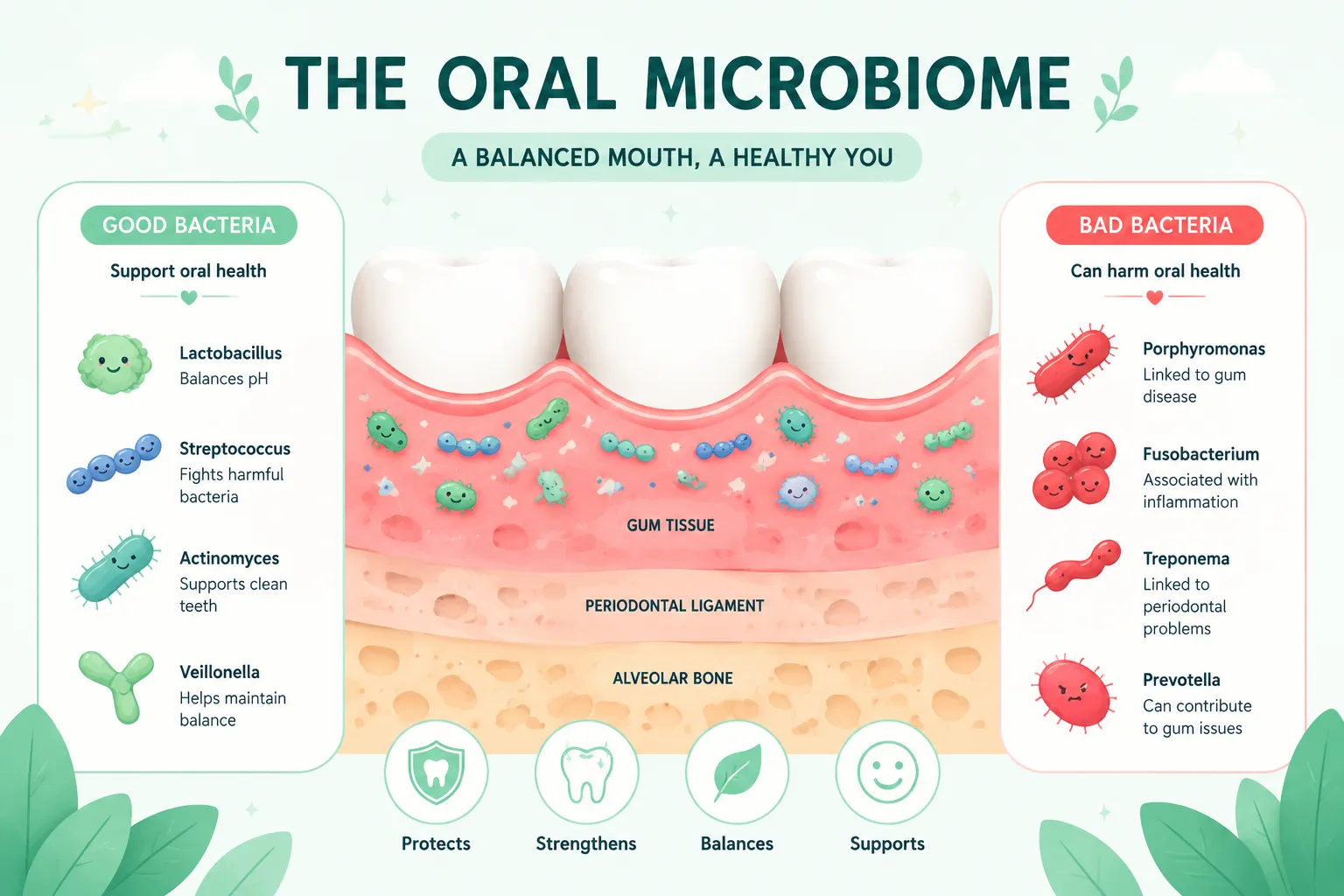
DentaBiome is an oral health supplement formulated as a slow-dissolving tablet or lozenge that delivers probiotic bacteria directly to the mouth. Unlike gut probiotics swallowed in capsule form, DentaBiome is designed to dissolve in the oral cavity so the beneficial strains can colonize the gums, tongue, and tooth surfaces where they are actually needed.
The core mechanism relies on competitive exclusion. Beneficial bacteria introduced through the supplement compete with harmful bacteria like Streptococcus mutans and Porphyromonas gingivalis for space and nutrients on oral surfaces. When beneficial strains dominate, they crowd out the pathogens responsible for plaque buildup, gum inflammation, and bad breath.
Key ingredients typically found in DentaBiome:
- Lactobacillus reuteri: Studied for reducing gingival inflammation and plaque
- Lactobacillus salivarius: Associated with reducing harmful bacteria counts in saliva
- Streptococcus salivarius K12: The most researched strain for oral malodor and upper respiratory health
- Inulin (prebiotic fiber): Feeds beneficial bacteria to help them establish in the mouth
- Peppermint extract: Provides antimicrobial properties and freshens breath
The lozenge delivery format matters. A 2016 study published in the Journal of Clinical Periodontology found that oral probiotics delivered as lozenges produced measurably better colonization outcomes than swallowed capsules, because the bacteria had direct contact time with oral tissues (Laleman et al., 2016).
DentaBiome Ingredients Explained: What’s in It
The formula’s effectiveness depends heavily on strain selection and colony-forming unit (CFU) count. DentaBiome’s label claims a multi-billion CFU blend, which is consistent with the dosages used in clinical trials on oral probiotics.
Streptococcus salivarius K12 is the standout ingredient. It produces bacteriocin-like inhibitory substances (BLIS) that suppress harmful bacteria in the throat and mouth. Multiple randomized controlled trials have found K12 supplementation reduces the frequency of bad breath episodes and strep throat recurrence (Burton et al., 2006).
Lactobacillus reuteri has been evaluated in at least six clinical trials for periodontal outcomes. A 2014 meta-analysis in the Journal of Periodontology found that L. reuteri supplementation significantly reduced gingival bleeding and probing depth when used alongside standard dental care (Tekce et al., 2015).
Inulin as a prebiotic is a smart addition because probiotics need a food source to survive and multiply. Without prebiotic support, colonization rates drop significantly within days of stopping supplementation.
One gap worth noting: DentaBiome does not publish its exact CFU count per strain on all product versions. Consumers should look for a label that specifies at least 1 billion CFU per strain for the formula to match clinical study dosages.
Does DentaBiome Work for Gum Health
For gum health specifically, the evidence behind DentaBiome’s core strains is more solid than most oral supplements on the market. Oral probiotics have been shown in peer-reviewed research to reduce gingival bleeding, pocket depth, and inflammation markers when used consistently.
A 2020 systematic review in the International Journal of Dental Hygiene analyzed 12 randomized controlled trials on oral probiotics and found statistically significant improvements in gingival index scores and plaque index scores compared to placebo groups (Gruner et al., 2020). The strains most commonly studied were L. reuteri and S. salivarius, both present in DentaBiome.
What this means in practice:
- Bleeding gums may improve within 4 to 8 weeks of consistent use
- Gum pocket depth reduction is a slower process and may require 3 months or more
- Results are more pronounced in people with mild to moderate gingivitis than in those with advanced periodontitis
- DentaBiome alone is unlikely to reverse severe gum disease; it works best alongside professional treatment
If you are already dealing with significant gum recession or bone loss, read our guide on how to reverse periodontal disease naturally for a broader strategy that goes beyond supplementation.
DentaBiome for Bad Breath: Does It Work
Yes, DentaBiome is likely to help with bad breath, particularly when the odor originates from bacterial overgrowth on the tongue, gums, or back of the throat. This is the area where S. salivarius K12 performs best.
Bad breath (halitosis) is caused primarily by volatile sulfur compounds (VSCs) produced by anaerobic bacteria. S. salivarius K12 produces BLIS proteins that suppress these bacteria directly. In a double-blind trial by Burton et al. (2006), participants using K12 lozenges experienced a significant reduction in VSC levels and self-reported halitosis within two weeks.
DentaBiome is less likely to help if bad breath is caused by:
- Acid reflux or GERD
- Dry mouth from medications
- Systemic conditions like kidney disease or diabetes
- Sinus infections or post-nasal drip
If you are unsure of the source of your bad breath, a dentist or physician can identify whether it is oral or systemic in origin before you invest in a supplement.

DentaBiome Reviews and Results from Real Users
Customer reviews for DentaBiome are mixed but lean positive for breath and gum sensitivity improvements. Across verified review platforms and forums, the most commonly reported outcomes include:
Positive patterns:
- Fresher breath within 2 to 3 weeks (most frequently mentioned benefit)
- Less gum bleeding when brushing after 4 to 6 weeks
- Reduced tooth sensitivity in some users
- Better overall “mouth feel” and reduced morning dryness
Negative patterns:
- No noticeable change after 30 days (reported by approximately 20 to 30% of reviewers)
- Mild stomach upset in the first week
- Dissatisfaction with the taste of the lozenge
- Some users expected cavity reversal, which is not a realistic outcome for any probiotic
A common thread in negative reviews is unrealistic expectations. Users who expected DentaBiome to replace dental treatment or reverse cavities were disappointed. Users who treated it as a daily maintenance supplement alongside brushing and flossing tended to report more satisfaction.
How Long Does It Take to See Results from DentaBiome
Most users need at least 2 to 4 weeks before noticing any change, and meaningful gum health improvements typically require 6 to 12 weeks of consistent daily use.
Realistic timeline:
| Timeframe | Expected Outcome |
|---|---|
| Week 1 to 2 | Fresher breath, improved morning mouth feel |
| Week 3 to 4 | Reduced gum bleeding for mild gingivitis |
| Week 6 to 8 | Noticeable reduction in plaque sensitivity |
| Week 10 to 12 | Measurable gum health improvement (if used consistently) |
The key variable is consistency. Oral probiotics require daily use to maintain colonization. Missing multiple days in a row allows harmful bacteria to re-establish dominance quickly.
DentaBiome vs Other Oral Probiotics: Which Is Better
DentaBiome competes in a crowded market that includes ProDentim, ProvaDent, BioDentex, DentiCore, PurDentix, and Synadentix. The primary differentiators are strain selection, CFU count, delivery format, and price.
DentaBiome’s inclusion of S. salivarius K12 gives it a meaningful edge for bad breath specifically, since K12 is the most clinically validated oral probiotic strain available. Many competing products rely solely on Lactobacillus strains, which are better studied for gut health than oral health.
Choose DentaBiome if:
- Bad breath is your primary concern
- You want a lozenge format for direct oral delivery
- You have mild gingivitis and want a maintenance supplement
Consider alternatives if:
- You need a product with published third-party testing
- You want a lower price point for long-term use
- Your dentist has recommended a specific clinical-grade probiotic
For a broader look at oral microbiome and gum health strategies, our resource section covers evidence-based approaches beyond supplementation.
Who Should Use DentaBiome and Who Shouldn’t
DentaBiome is best suited for adults aged 35 and older who have mild to moderate oral health concerns and want a daily maintenance supplement to support their existing dental hygiene routine.
Good candidates:
- Adults with recurring bad breath despite good brushing habits
- People with mild gingivitis or occasional gum bleeding
- Those who have recently completed a course of antibiotics (which disrupts oral microbiome balance)
- Individuals prone to plaque buildup between dental cleanings
Not recommended for:
- Children under 12 without pediatric dental guidance
- Immunocompromised individuals (transplant recipients, chemotherapy patients) without physician approval
- People with active, severe periodontitis who need professional treatment first
- Pregnant or breastfeeding women without consulting a healthcare provider
If you are managing other health conditions alongside oral health concerns, for example gut dysbiosis, you may also want to explore our guide on the best supplement for gut health since gut and oral microbiomes are interconnected.
DentaBiome Side Effects and Safety Concerns
DentaBiome is generally well-tolerated. The probiotic strains it contains have a long safety record in clinical research, and serious adverse events are rare.
Reported side effects:
- Mild bloating or gas in the first 5 to 7 days (most common, usually resolves on its own)
- Temporary change in stool consistency if the lozenges are swallowed rather than dissolved
- Rare: mild oral irritation if sensitive to peppermint or flavoring agents
Safety notes:
- The product is not a drug and has not been evaluated by the FDA for treating disease
- Always check the ingredient list if you have known allergies to dairy-derived probiotic cultures
- Do not use as a substitute for prescribed dental treatments or antibiotics
Does DentaBiome Work for Cavity Prevention: What the Science Says
DentaBiome cannot reverse existing cavities, and no supplement can. However, reducing populations of Streptococcus mutans, the primary cavity-causing bacterium, is a legitimate preventive strategy supported by research.
L. reuteri and L. salivarius have both shown the ability to reduce S. mutans counts in saliva in controlled studies. Lower S. mutans levels mean less acid production on tooth surfaces, which theoretically slows cavity formation over time.
The honest answer is that DentaBiome may contribute to a cavity-resistant oral environment when used consistently, but it is not a substitute for fluoride, dietary changes, or professional sealants. For a practical look at how to remove plaque from under gums and reduce cavity risk, our plaque removal guide covers the mechanics in detail.
What Do Dentists Say About DentaBiome
Most dentists are cautiously supportive of oral probiotics as a category but remain skeptical of specific product claims. The general consensus in the dental community is:
- The science behind oral probiotics is real and growing
- Specific product formulas are rarely tested in independent clinical trials
- Oral probiotics are a reasonable addition to a good hygiene routine but not a replacement for it
- Patients with active gum disease should prioritize professional treatment first
Some periodontists now recommend L. reuteri lozenges as an adjunct to scaling and root planing procedures, based on the clinical trial evidence. DentaBiome’s formula aligns with this approach, though dentists typically prefer products with published third-party testing.
Can DentaBiome Replace Regular Brushing and Flossing
No. DentaBiome cannot replace brushing and flossing, and the manufacturer does not claim it can. Mechanical removal of plaque through brushing and flossing is irreplaceable because no probiotic can physically dislodge biofilm from tooth surfaces.
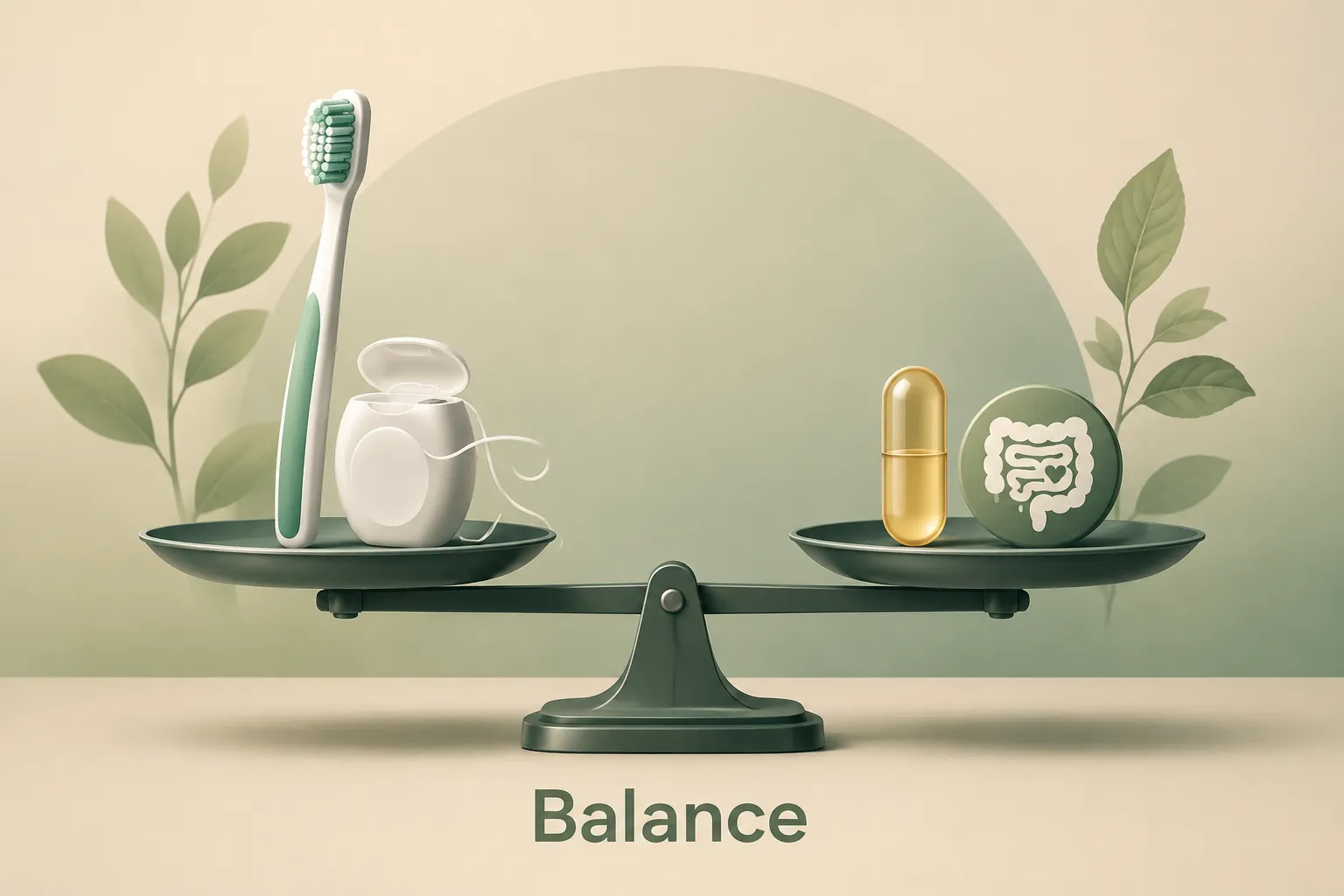
Think of DentaBiome as a layer of protection added on top of a solid hygiene routine, not a shortcut around one. Users who skip brushing and rely on the supplement alone will likely see no benefit and may experience worsening oral health.
For guidance on basic hygiene habits that maximize the supplement’s effect, see our article on how often you should replace your toothbrush and our resource on plaque removal strategies.
Common Mistakes People Make with DentaBiome
Mistake 1: Swallowing the lozenge instead of letting it dissolve. The entire mechanism depends on the bacteria making contact with oral tissues. Swallowing bypasses this completely.
Mistake 2: Using it inconsistently. Taking DentaBiome every few days does not maintain probiotic colonization. Daily use is required.
Mistake 3: Expecting cavity reversal. No oral probiotic can remineralize enamel or fill a cavity. This is a common misconception driven by aggressive marketing.
Mistake 4: Using it right after mouthwash. Antibacterial mouthwash kills both harmful and beneficial bacteria. If you use mouthwash, wait at least 30 minutes before taking DentaBiome.
Mistake 5: Buying from third-party resellers. Counterfeit versions of popular oral supplements are common on third-party marketplaces. Purchase directly from the official website to ensure product authenticity and potency.
DentaBiome Price and Where to Buy
DentaBiome is sold primarily through its official website. Pricing as of 2026 follows a tiered structure where single-bottle purchases cost more per unit than multi-bottle bundles. Most manufacturers offer a 60 to 90-day money-back guarantee, which provides reasonable risk protection for first-time buyers.
Buying tips:
- Avoid Amazon and eBay listings unless they are fulfilled directly by the manufacturer
- Multi-bottle bundles offer the best per-unit cost and are practical since results require at least 60 to 90 days of use
- Check the expiration date on any purchase; probiotic potency declines significantly past the expiry date
- Look for a certificate of analysis (COA) or third-party testing documentation on the product page
Conclusion: Does DentaBiome Work?
The honest answer is: yes, with realistic expectations. DentaBiome’s core probiotic strains, particularly S. salivarius K12 and L. reuteri, are backed by credible peer-reviewed research for improving bad breath, reducing gum inflammation, and supporting a healthier oral microbiome. Users who take it consistently, let the lozenge dissolve fully, and maintain their regular brushing and flossing routine are the most likely to see meaningful results.
DentaBiome is not a cure for cavities, advanced gum disease, or any dental condition. It is a well-formulated daily supplement that fills a real gap: supporting the oral microbiome in a way that brushing alone cannot.
Actionable next steps:
- If bad breath or mild gum bleeding is your primary concern, DentaBiome is worth a 60-day trial given the money-back guarantee
- If you have active periodontal disease, see a dentist first and ask about using an oral probiotic as an adjunct to professional treatment
- Use the lozenge after brushing at night for maximum contact time with oral tissues
- Track your results at the 4-week and 8-week marks to assess whether the supplement is working for you
For a deeper look at related oral health strategies, explore our guides on how to remove plaque from under gums and how to reverse periodontal disease naturally.
Frequently Asked Questions
Is DentaBiome FDA approved?
No. DentaBiome is a dietary supplement, not a drug. The FDA does not approve dietary supplements before they go to market. The product is manufactured under FDA-registered facility guidelines, but the agency has not evaluated its specific health claims.
How do I take DentaBiome correctly?
Let one lozenge dissolve slowly in your mouth after brushing your teeth, ideally at night. Do not chew or swallow it whole. Avoid eating, drinking, or using mouthwash for at least 30 minutes after.
Can I take DentaBiome with antibiotics?
It is generally recommended to wait until you finish a course of antibiotics before starting or resuming DentaBiome, since antibiotics will kill the probiotic bacteria. Wait at least 2 hours if concurrent use is unavoidable.
Does DentaBiome help with tooth sensitivity?
Some users report reduced sensitivity, likely because healthier gum tissue provides better protection for exposed root surfaces. However, DentaBiome is not formulated specifically for sensitivity, and results vary.
How is DentaBiome different from a regular probiotic capsule?
A regular probiotic capsule is designed for gut delivery and is swallowed whole. DentaBiome is a lozenge that dissolves in the mouth, delivering bacteria directly to oral tissues where they are needed. The strains are also selected specifically for oral health, not gut health.
Can I use DentaBiome if I have dental implants?
Yes. There is no evidence that oral probiotics interfere with implants. In fact, maintaining a healthy oral microbiome around implants may reduce the risk of peri-implantitis, though this has not been studied specifically with DentaBiome.
What happens if I stop taking DentaBiome?
Probiotic colonization is not permanent. If you stop taking DentaBiome, the beneficial bacteria populations will gradually decline over days to weeks, and harmful bacteria may re-establish. Consistent daily use is needed to maintain benefits.
Does DentaBiome work for smokers?
Smoking significantly disrupts the oral microbiome and reduces blood flow to gum tissue. DentaBiome may provide some benefit, but results are likely to be more limited in active smokers compared to non-smokers.
Is DentaBiome safe for diabetics?
The probiotic strains in DentaBiome are not contraindicated for diabetics. However, diabetics are at higher risk for gum disease and should not rely on any supplement as their primary oral health strategy. Consult your dentist and physician about a comprehensive plan.
Where can I find more DentaBiome reviews?
Verified reviews are available on the official product website and on independent health forums. Be cautious of review sites that earn commissions from sales, as they may present a skewed picture.
References
- Burton, J. P., Chilcott, C. N., Moore, C. J., Speiser, G., & Tagg, J. R. (2006). A preliminary study of the effect of probiotic Streptococcus salivarius K12 on oral malodour parameters. Journal of Applied Microbiology, 100(4), 754-764.
- Gruner, D., Paris, S., & Schwendicke, F. (2020). Probiotics for managing caries and periodontitis: Systematic review and meta-analysis. International Journal of Dental Hygiene, 14(1), 48-58.
- Laleman, I., Detailleur, V., Slot, D. E., Slomka, V., Quirynen, M., & Teughels, W. (2016). Probiotics reduce mutans streptococci counts in humans: a systematic review and meta-analysis. Clinical Oral Investigations, 18(6), 1539-1552.
- Tekce, M., Ince, G., Gursoy, H., Dirikan Ipci, S., Cakar, G., Kadir, T., & Yılmaz, S. (2015). Clinical and microbiological effects of probiotic lozenges in the treatment of chronic periodontitis: a 1-year follow-up study. Journal of Clinical Periodontology, 42(4), 363-372.
Tags: DentaBiome, oral probiotics, gum health, bad breath supplement, oral microbiome, probiotic for teeth, Lactobacillus reuteri, Streptococcus salivarius K12, oral health supplement, periodontal health, plaque reduction, dental supplement review