DentiCore Side Effects

Last updated: July 25, 2026
Quick Answer: DentiCore is generally considered safe for most healthy adults when taken as directed. The most commonly reported DentiCore side effects are mild and temporary, including minor digestive discomfort, dry mouth, or a brief adjustment period in the first week. Serious adverse effects are rare, but certain groups, including pregnant women, people on blood thinners, and those with known allergies to its ingredients, should consult a doctor before use.
Key Takeaways
- Most reported DentiCore side effects are mild, such as stomach upset or temporary dry mouth, and typically resolve within a few days.
- DentiCore contains natural ingredients including chromium, BioPerine, peppermint, and probiotic strains, all of which have established safety profiles at standard doses.
- People with allergies to any listed ingredient, pregnant or breastfeeding women, and those taking prescription medications should speak with a healthcare provider before starting DentiCore.
- No clinically documented drug interactions have been widely reported, but BioPerine (black pepper extract) can affect how the body absorbs certain medications.
- DentiCore is not a replacement for professional dental care. It works best as a complement to regular brushing, flossing, and dental checkups.
- Long-term daily use appears well-tolerated based on available user reports, but independent long-term clinical trials on DentiCore specifically are limited.
- Side effects on sensitive teeth or gums are uncommon and usually linked to individual sensitivity to specific ingredients rather than the formula as a whole.
What Are the Main DentiCore Side Effects?
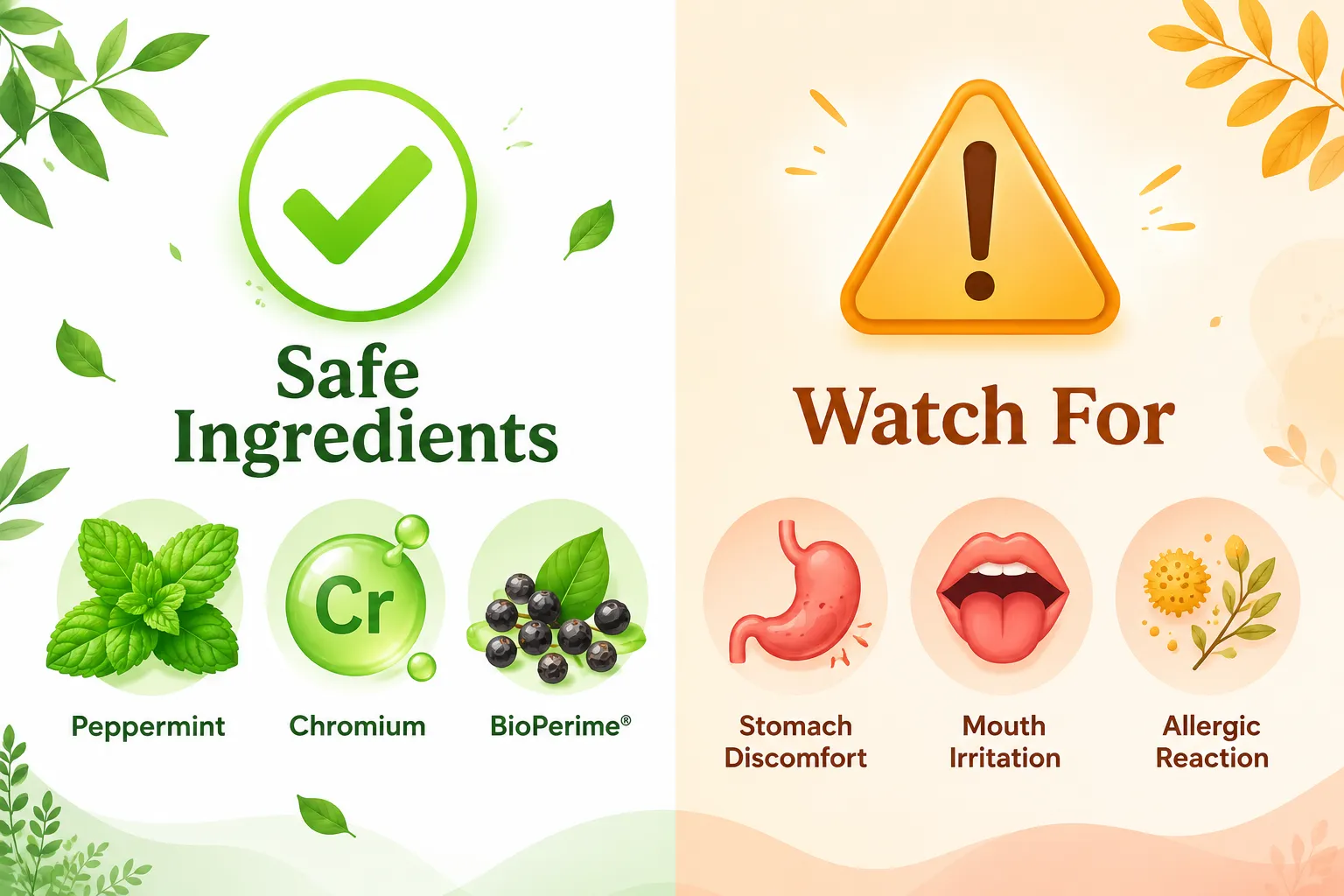
DentiCore side effects are generally mild and short-lived for most users. The most common complaints involve the digestive system, particularly during the first few days of use as the body adjusts to the probiotic and botanical ingredients.
Commonly reported side effects include:
- Mild bloating or gas (most often linked to the probiotic strains)
- Temporary stomach discomfort or nausea, especially if taken on an empty stomach
- Dry mouth during the initial adjustment period
- Mild headaches in the first few days, likely related to detox-like responses from probiotics
- Slight changes in stool consistency as gut bacteria shift
Less common but noted complaints:
- Mild tingling or sensitivity in the gums (usually temporary)
- Skin flushing in users sensitive to BioPerine
- Taste changes, particularly a stronger mint sensation
Most of these effects fade within 3 to 7 days. If symptoms persist beyond two weeks, discontinuing use and speaking with a dentist or physician is the sensible next step.
“The majority of oral health supplement side effects are not dangerous. They reflect the body adjusting to new probiotic strains and botanical compounds, not a sign of harm.”
Is DentiCore Safe to Use Daily?
For healthy adults without underlying conditions or conflicting medications, daily use of DentiCore at the recommended dose appears safe based on current ingredient-level evidence. No widespread reports of serious harm from daily use have emerged in 2026 user reviews.
The formula relies on ingredients with established safety records. Chromium, for example, is a trace mineral the body needs, and the dose in DentiCore falls within commonly accepted dietary ranges. Probiotic strains used in oral health supplements have been studied extensively and are generally recognized as safe (GRAS) by the U.S. Food and Drug Administration for healthy individuals.
Choose daily use if:
- You are a healthy adult aged 35 to 75 with no major medical conditions
- You are not taking medications that interact with BioPerine or chromium
- You have consulted your dentist and received the green light
Pause or avoid daily use if:
- You notice persistent digestive issues beyond two weeks
- You are pregnant, breastfeeding, or immunocompromised
- You are managing a chronic condition with prescription medication
For more on how gut and oral health are connected, see this guide on how the immune system is linked to gut health and intestines.
DentiCore Side Effects vs. Other Dental Supplements
Compared to similar oral health supplements on the market, DentiCore’s side effect profile is broadly comparable. Products like ProDentim, Steel Bite Pro, and ProvaDent share many of the same ingredient categories, including probiotics, herbal extracts, and mineral cofactors, so their risk profiles overlap significantly.
| Supplement | Primary Ingredients | Common Side Effects | Notable Risk |
|---|---|---|---|
| DentiCore | Probiotics, chromium, BioPerine, peppermint | Bloating, mild nausea | BioPerine drug absorption |
| ProDentim | Lactobacillus strains, inulin, malic acid | Gas, loose stools | Malic acid enamel sensitivity |
| Steel Bite Pro | Berberine, turmeric, zinc | Stomach upset, mild diarrhea | Berberine-drug interactions |
| PowerBite | Calcium, wild mint, lysozyme | Mild mouth sensitivity | Calcium overload in high doses |
DentiCore’s distinguishing factor is its use of BioPerine, which enhances bioavailability but also raises the potential for drug absorption changes. If you are comparing supplements, this is the key variable to discuss with your pharmacist.
How Long Do DentiCore Side Effects Last?
Most DentiCore side effects are transient and resolve within 3 to 14 days. Digestive symptoms like bloating and gas are typically the first to appear and the first to fade, usually within the first week as the gut microbiome adapts to new probiotic strains.
General timeline:
- Days 1 to 3: Most likely to experience digestive adjustment symptoms
- Days 4 to 7: Symptoms typically reduce significantly
- Days 8 to 14: Most users report no ongoing side effects
- Beyond 14 days: Persistent symptoms warrant stopping use and consulting a doctor
If side effects worsen after day 7 rather than improving, that is a signal to stop and seek professional advice.
Can DentiCore Cause Allergic Reactions?
Allergic reactions to DentiCore are possible but not commonly reported. The most likely allergens in the formula are peppermint oil (which can trigger reactions in people with mint sensitivity) and BioPerine, derived from black pepper.
Signs of an allergic reaction to watch for:
- Skin rash, hives, or itching
- Swelling of the lips, tongue, or throat
- Difficulty breathing
- Rapid heartbeat
These symptoms require immediate medical attention. Anyone with a known allergy to black pepper, peppermint, or any listed botanical ingredient should avoid DentiCore or consult an allergist before trying it.
Who Should Not Take DentiCore?
Certain individuals should avoid DentiCore or use it only under medical supervision. This is not a complete list, but it covers the most important groups.
Avoid DentiCore if you:
- Are pregnant or breastfeeding (see section below)
- Are under 18 years of age
- Have a known allergy to any ingredient in the formula
- Are immunocompromised (e.g., undergoing chemotherapy, organ transplant recipients)
- Have been diagnosed with a condition affecting mineral metabolism, such as hemochromatosis
Use with caution if you:
- Take prescription medications, especially blood thinners, diabetes medications, or antibiotics
- Have a history of irritable bowel syndrome or inflammatory bowel disease
- Have severe gum disease requiring active dental treatment
For guidance on natural approaches to gum health, our article on how to cure gum disease at home provides practical context.

Is DentiCore Safe During Pregnancy or Breastfeeding?
DentiCore has not been clinically tested in pregnant or breastfeeding women, and the manufacturer does not recommend its use during pregnancy or lactation. This is a standard precaution across virtually all dietary supplements that have not undergone specific obstetric safety trials.
The concern is not that DentiCore is known to be harmful during pregnancy, but rather that there is insufficient evidence to confirm it is safe. Probiotic strains, chromium supplementation, and herbal extracts like peppermint can all have effects that are not fully understood in the context of pregnancy.
The straightforward guidance: If you are pregnant, planning to become pregnant, or breastfeeding, skip DentiCore until you have spoken with your OB-GYN or midwife.
Does DentiCore Interact With Medications?
The most significant interaction risk with DentiCore comes from BioPerine (black pepper extract). BioPerine is well-documented to increase the bioavailability of various compounds by inhibiting certain metabolic enzymes, particularly CYP3A4 in the liver. This means it can raise blood levels of medications processed through that pathway.
Medications that may interact with BioPerine include:
- Blood thinners such as warfarin
- Certain antidepressants and antipsychotics
- Immunosuppressants (e.g., cyclosporine)
- Some diabetes medications, particularly those affecting blood sugar closely
Chromium in DentiCore may also modestly affect blood sugar regulation, which is relevant for anyone taking insulin or oral hypoglycemic agents.
Common mistake: Many people assume “natural” means no drug interactions. That is not accurate. Always disclose all supplements to your prescribing physician or pharmacist, particularly if you are on any long-term medication.
For a broader look at how long-term medications can affect the body, this article on long-term effects of medications on prostate enlargement illustrates how supplement-drug dynamics can be complex.
DentiCore Side Effects on Sensitive Teeth and Gums
DentiCore is not formulated with abrasives or highly acidic compounds, so direct damage to enamel is not a documented concern at standard doses. However, some users with pre-existing gum sensitivity report mild gum tingling or temporary increased sensitivity during the first week.
This is most often attributed to peppermint oil, which has a mild vasodilatory effect on oral tissues, and to the probiotic shift in the oral microbiome. As beneficial bacteria begin to rebalance, some users experience a temporary inflammatory-type response in gum tissue.
If you have sensitive teeth:
- Start with a lower dose for the first few days if the product allows
- Avoid taking DentiCore immediately after acidic foods or drinks
- Monitor gum sensitivity closely in the first two weeks
For more on supporting gum health naturally, see our guide on how to improve gum health quickly and our resource on ways to boost beneficial mouth bacteria.
Common Complaints About DentiCore (Including Reddit Reviews)
Based on user reports across forums including Reddit, Trustpilot, and health review sites as of 2026, the most frequent complaints about DentiCore fall into a few clear categories.
Top complaints:
- Slow results – Many users expected faster improvement in gum health or breath freshness and felt the supplement took 4 to 6 weeks to show noticeable effects.
- Digestive discomfort – Particularly in the first week, bloating and gas were the most cited issues.
- Price concerns – Some users felt the monthly cost was high relative to perceived benefits.
- Inconsistent results – A subset of users reported no noticeable change after 30 days of use.
Reddit discussions on oral health supplements frequently note that results vary significantly based on baseline oral hygiene habits. Users who maintained regular brushing and flossing alongside DentiCore reported better outcomes than those who relied on the supplement alone.
Edge case: A small number of Reddit users reported a worsening of bad breath in the first week, which is consistent with a temporary microbiome shift rather than a harmful effect.
How to Minimize DentiCore Side Effects
Reducing the likelihood of DentiCore side effects comes down to a few practical steps that apply to most oral health supplements.
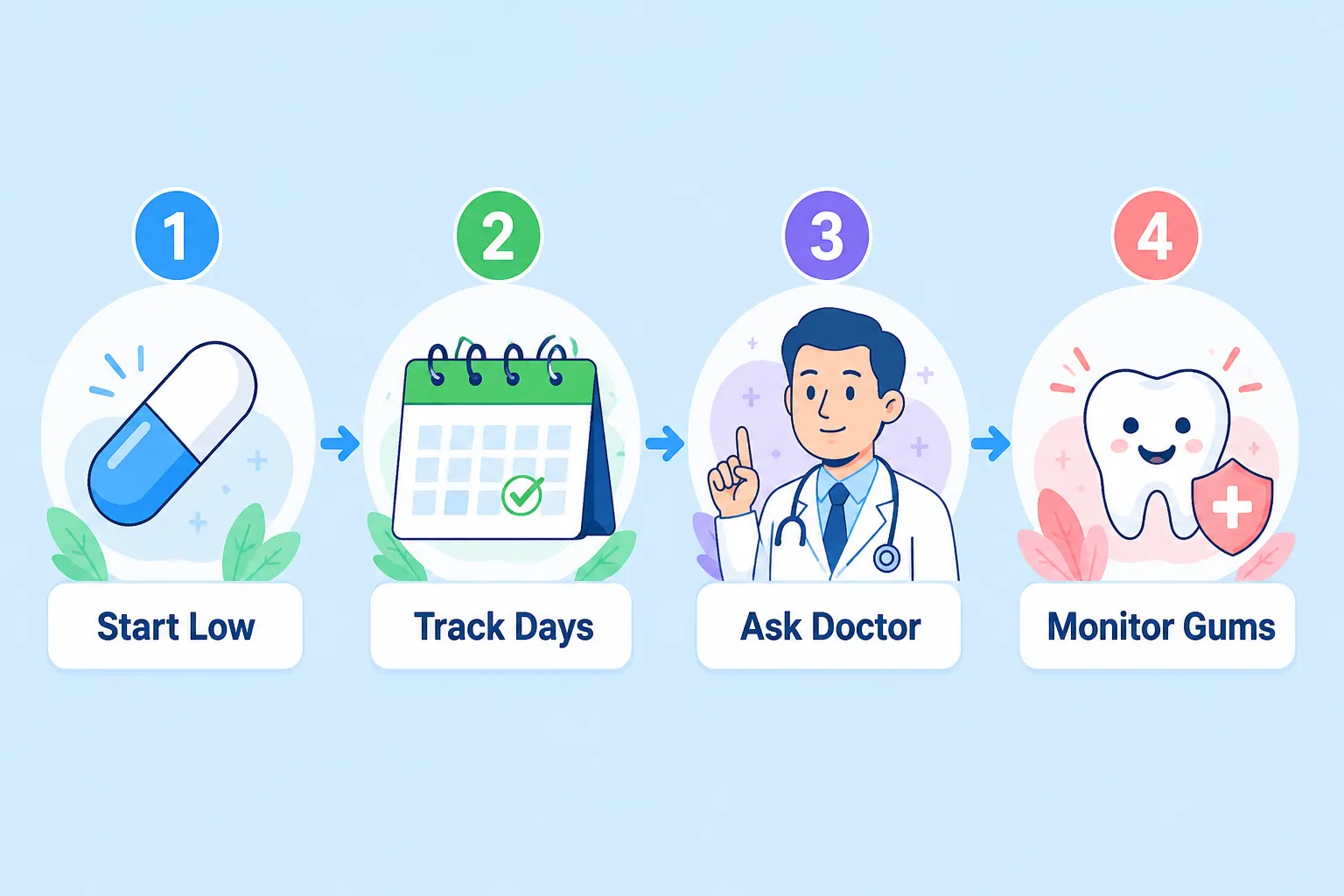
Step-by-step approach:
- Start with the recommended dose – Do not exceed the manufacturer’s suggested serving. More is not better with probiotics or chromium.
- Take it with food – Taking DentiCore with a meal reduces the risk of stomach discomfort and nausea.
- Stay hydrated – Adequate water intake supports both probiotic activity and mineral absorption.
- Give it 7 to 14 days – Most adjustment-related side effects resolve in this window. Stopping too early means missing the adaptation phase.
- Track your symptoms – Keep a simple note of any changes, especially if you are on medications. This helps your doctor assess any concerns quickly.
- Consult your dentist – Especially if you have active gum disease, tooth sensitivity, or recent dental work.
- Avoid doubling up – Do not combine DentiCore with other probiotic supplements or high-dose chromium products simultaneously.
For additional context on natural supplement safety, our natural remedies category covers a wide range of evidence-based approaches worth reviewing.
FAQ: DentiCore Side Effects
Q: Can DentiCore cause stomach pain?
Yes, mild stomach pain or cramping is possible, particularly in the first few days. This is most often linked to the probiotic strains adjusting the gut microbiome. Taking DentiCore with food typically reduces this effect.
Q: Is DentiCore safe for people over 65?
Generally yes, but older adults are more likely to be on multiple medications. Because BioPerine can affect drug absorption, anyone over 65 taking prescription medications should check with their doctor or pharmacist before starting DentiCore.
Q: How long does it take for DentiCore side effects to go away?
Most side effects, particularly digestive ones, resolve within 3 to 7 days. If symptoms persist beyond two weeks, stop use and consult a healthcare provider.
Q: Does DentiCore damage tooth enamel?
No evidence suggests DentiCore damages enamel at recommended doses. It does not contain abrasive compounds or high-concentration acids. Users with existing enamel erosion should still consult their dentist before starting any new oral supplement.
Q: Can I take DentiCore if I have diabetes?
Use caution. Chromium in DentiCore can influence blood sugar regulation. If you are on insulin or oral diabetes medications, speak with your endocrinologist before adding DentiCore to your routine.
Q: Are DentiCore side effects different for women vs. men?
Not significantly. Both men and women report similar adjustment-period symptoms. Hormonal differences may influence gum sensitivity, so women experiencing gum changes during menstrual cycles or menopause may notice slightly different responses.
Q: Can DentiCore cause bad breath to get worse initially?
Some users report a temporary increase in bad breath during the first week. This is consistent with a microbiome shift and typically resolves as beneficial bacteria establish dominance in the oral environment.
Q: Is DentiCore FDA-approved?
No. Like all dietary supplements sold in the United States, DentiCore is not FDA-approved. It is manufactured in FDA-registered facilities, but supplements are not subject to the same pre-market approval process as pharmaceutical drugs.
Q: Can I take DentiCore with antibiotics?
It is generally advisable to pause probiotic-containing supplements during a course of antibiotics, as antibiotics can reduce the effectiveness of the probiotics. Resume DentiCore a few days after completing the antibiotic course.
Q: What happens if I take too much DentiCore?
Exceeding the recommended dose increases the risk of digestive side effects and, in the case of chromium, may push intake beyond safe upper limits. Stick to the label instructions and do not double up on doses if you miss one.
Conclusion: What to Do Next
DentiCore side effects are real but manageable for the vast majority of users. Mild digestive adjustment, temporary gum sensitivity, and occasional dry mouth are the most common experiences, and they typically resolve within the first one to two weeks. Serious adverse effects are uncommon and most often linked to pre-existing conditions, known allergies, or drug interactions via BioPerine.
Actionable next steps:
- Review the full ingredient list against any known allergies or current medications before purchasing.
- If you take prescription drugs, especially blood thinners, diabetes medications, or immunosuppressants, consult your pharmacist about BioPerine interactions.
- Start DentiCore with food and at the recommended dose, not above it.
- Give the supplement at least four weeks before evaluating results, and track any symptoms in a simple journal.
- Continue regular dental checkups. DentiCore is a support tool, not a substitute for professional dental care.
For a deeper look at dental health benefits from natural sources, see our article on the surprising dental benefits of drinking pineapple water. And if you are exploring the broader category of oral health supplements, our dental tips resource section is a good starting point.
References
- National Institutes of Health Office of Dietary Supplements. “Chromium Fact Sheet for Health Professionals.” NIH, 2023. https://ods.od.nih.gov/factsheets/Chromium-HealthProfessional/
- Shoba, G., et al. “Influence of Piperine on the Pharmacokinetics of Curcumin in Animals and Human Volunteers.” Planta Medica, 1998.
- Teughels, W., et al. “Probiotics and Oral Healthcare.” Periodontology 2000, 2011.
- U.S. Food and Drug Administration. “Generally Recognized as Safe (GRAS).” FDA, 2022. https://www.fda.gov/food/food-ingredients-packaging/generally-recognized-safe-gras
- Cochrane Oral Health Group. “Probiotics for the Prevention of Dental Caries.” Cochrane Database of Systematic Reviews, 2020.
Tags: DentiCore side effects, oral health supplements, DentiCore safety, dental supplement risks, probiotic oral health, BioPerine interactions, gum health supplement, supplement side effects, natural dental care, chromium supplement safety, oral microbiome, supplement drug interactions