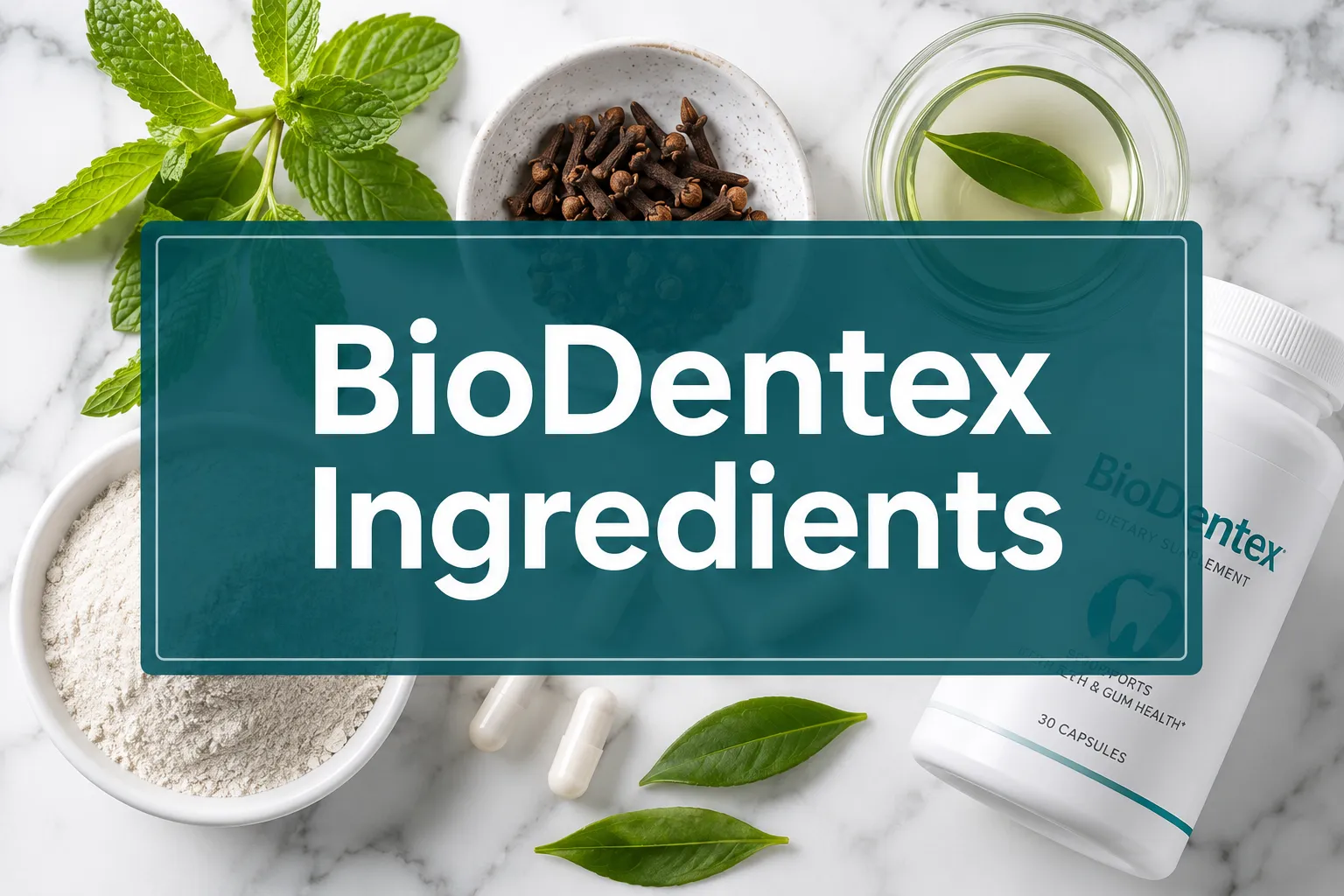
BioDentex ingredients
Last updated: July 25, 2026
Quick Answer: BioDentex is an oral health supplement formulated with a blend of plant-based compounds, minerals, and probiotics designed to support gum health, reduce plaque, freshen breath, and strengthen tooth enamel. Key BioDentex ingredients include peppermint oil, clove extract, green tea leaf extract, calcium, zinc, and several probiotic strains. Most ingredients have credible research behind them for oral health applications, though clinical trials on the specific BioDentex formula itself are limited.
Key Takeaways
- BioDentex ingredients are primarily plant-derived and mineral-based, with no artificial bleaching agents.
- Core active compounds include clove extract, peppermint oil, green tea, zinc, calcium, and probiotics.
- Clove and green tea have published research supporting their roles in reducing oral bacteria and inflammation.
- BioDentex does not appear to contain fluoride, which matters for people with specific dental needs.
- The formula is generally considered safe for adults, but it is not recommended as a primary treatment for active gum disease.
- No independent clinical trial has validated the complete BioDentex formula as of 2026.
- BioDentex is sold primarily online, with pricing typically ranging from $49 to $69 per bottle depending on the package.
- Children under 12 should not use BioDentex without consulting a dentist first.
- People with tooth sensitivity may tolerate BioDentex well, since it avoids harsh abrasives found in many whitening products.
What Is BioDentex?
BioDentex is a dietary supplement marketed toward adults who want to support oral health from the inside out. Rather than a toothpaste or mouthwash, it is taken as a capsule or chewable tablet, depending on the product version.
The premise is that oral health depends not just on surface cleaning but also on the internal environment of the mouth, including the balance of bacteria, mineral availability for enamel, and gum tissue integrity. This positions BioDentex alongside a growing category of ingestible oral health supplements. For a broader look at this category, see our guide to best oral health supplements for stronger teeth and gums.
What Are the Main BioDentex Ingredients?
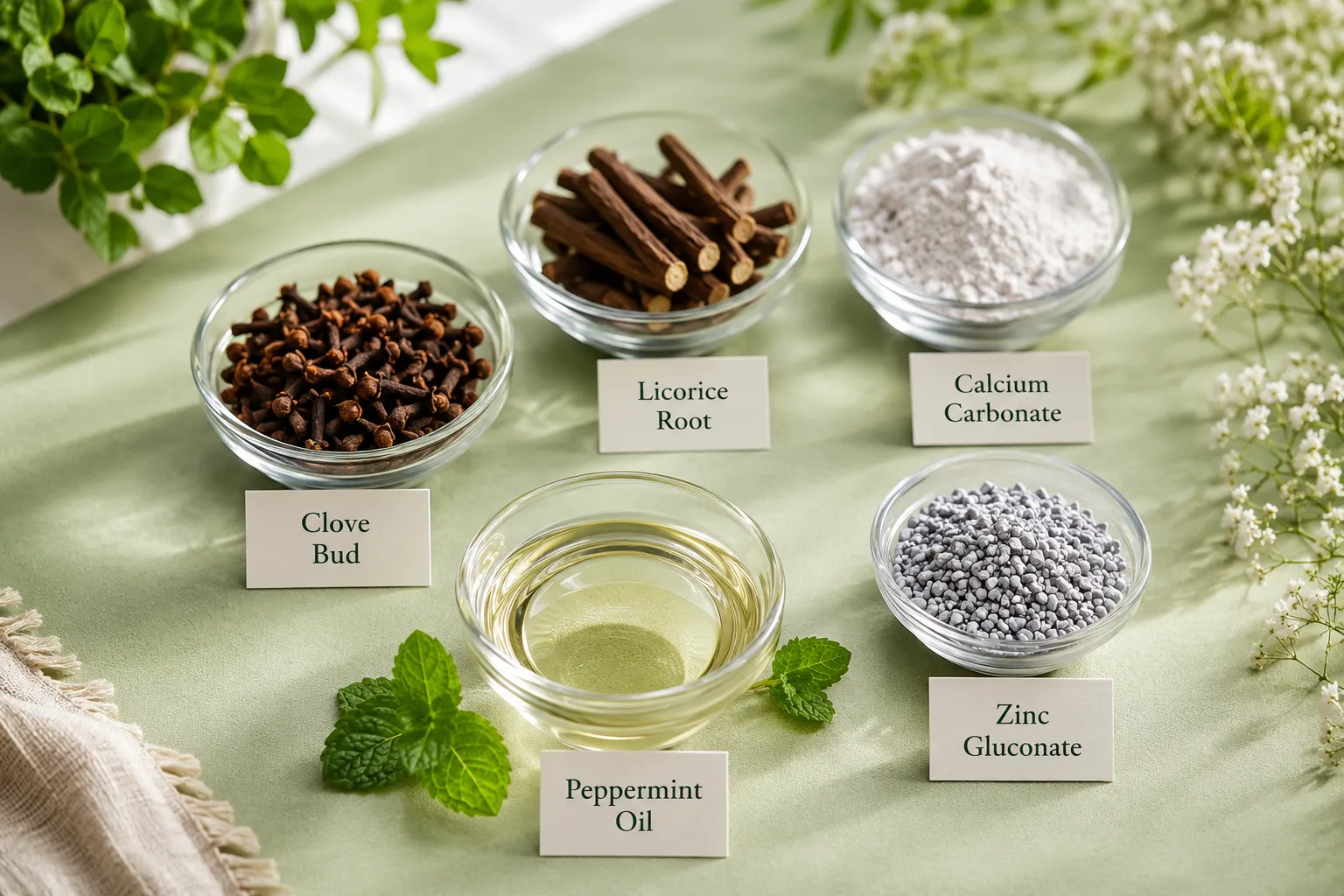
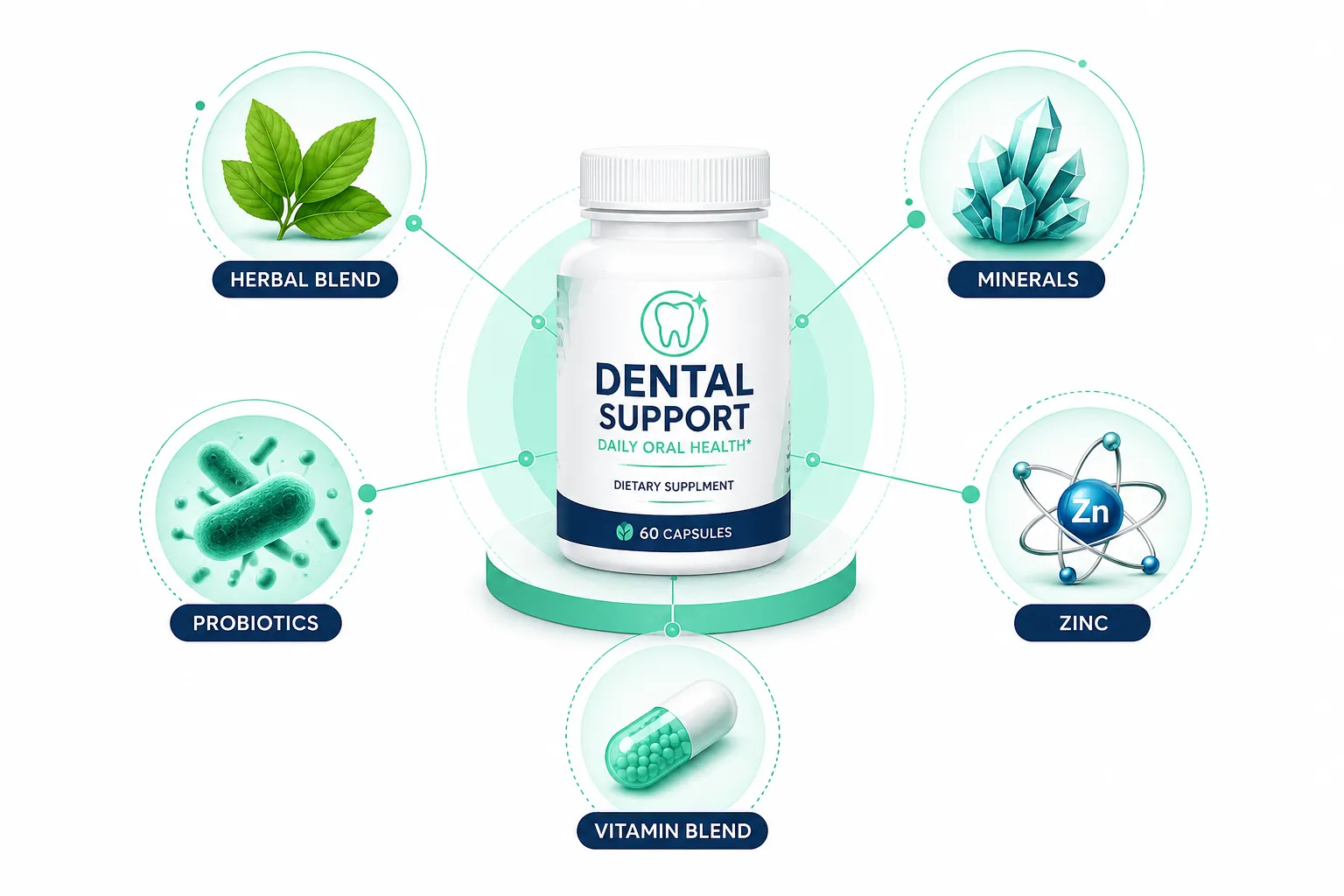
BioDentex contains a multi-ingredient formula combining botanical extracts, essential minerals, and probiotic strains. Below is a summary of the core components.
| Ingredient | Primary Role | Evidence Level |
|---|---|---|
| Clove Extract | Antimicrobial, pain relief | Strong |
| Peppermint Oil | Breath freshening, antibacterial | Moderate |
| Green Tea Leaf Extract | Antioxidant, anti-inflammatory | Strong |
| Calcium Carbonate | Enamel mineralization support | Strong |
| Zinc | Plaque inhibition, gum support | Strong |
| Licorice Root Extract | Antibacterial, gum soothing | Moderate |
| Probiotic Blend (Lactobacillus strains) | Oral microbiome balance | Emerging |
| Vitamin D3 | Calcium absorption, immune support | Strong |
Ingredient-by-Ingredient Analysis of BioDentex
Each BioDentex ingredient plays a specific role. Here is a closer look at the science behind each one.
Clove Extract (Eugenol)
Clove is one of the most studied natural dental compounds. Eugenol, its active compound, has demonstrated antimicrobial activity against Streptococcus mutans, a primary cavity-causing bacterium, in multiple peer-reviewed studies (Cai & Wu, 1996; Didry et al., 1994). It also acts as a mild analgesic, which is why clove oil has been used in dentistry for decades. The evidence here is genuinely strong.
Peppermint Oil
Peppermint contains menthol, which inhibits biofilm formation and freshens breath. A study published in the European Journal of Dentistry (Shayegh et al., 2008) found peppermint oil effective against oral bacteria. The evidence is solid for breath freshening, though less conclusive for long-term gum protection.
Green Tea Leaf Extract (EGCG)
Green tea’s catechins, particularly EGCG, reduce gingival inflammation and inhibit the growth of periodontal pathogens. A review in the Journal of Indian Society of Periodontology (Chatterjee et al., 2012) noted meaningful reductions in plaque and gum bleeding scores with green tea use. This is one of the stronger BioDentex ingredients from an evidence standpoint.
Calcium Carbonate
Calcium is essential for remineralizing enamel. When taken as a supplement, it supports the body’s mineral pool available for tooth maintenance. Vitamin D3 in the formula works alongside calcium to improve absorption, which is a smart pairing backed by well-established nutritional science.
Zinc
Zinc has a documented role in inhibiting dental plaque formation and reducing volatile sulfur compounds that cause bad breath. Research published in the Journal of Clinical Dentistry (Farrell et al., 2008) confirmed zinc’s effectiveness in reducing oral malodor. It also supports gum tissue repair.
Licorice Root Extract
Licorice contains licoricidin and licorisoflavan A, compounds shown to inhibit the growth of oral bacteria. A study in the Journal of Natural Products (Hu et al., 2011) identified these compounds as effective against cavity-causing bacteria. Evidence is promising but less extensive than clove or green tea.
Probiotic Blend (Lactobacillus reuteri and related strains)
Oral probiotics are a newer area of research. Lactobacillus reuteri has shown some benefit in reducing gingival inflammation in clinical trials (Twetman et al., 2009). The concept of rebalancing the oral microbiome is scientifically sound, but the specific strains and doses in BioDentex are not independently verified.
Vitamin D3
Vitamin D3 deficiency is associated with increased risk of periodontal disease, according to research published in the Journal of Periodontology (Dietrich et al., 2004). Its inclusion here is well-reasoned and adds genuine value to the formula.
For related reading on how to support gum health naturally, see our article on how to improve gum health quickly and our broader guide on how to have healthy gums and teeth.
Are BioDentex Ingredients Natural or Synthetic?
The BioDentex ingredients are predominantly natural in origin. Clove, peppermint, green tea, and licorice root are all plant-derived. Calcium and zinc are minerals. The probiotic strains are naturally occurring bacterial cultures. Vitamin D3 is typically derived from lanolin (sheep’s wool) or lichen, depending on the manufacturer’s sourcing.
There are no artificial dyes, synthetic bleaching agents, or chemical abrasives listed in the formula. This makes BioDentex a reasonable option for people who prefer to avoid heavily processed oral care products.
Important note: “Natural” does not automatically mean risk-free. Clove extract, for example, can cause irritation in high concentrations. Always check the label for allergen information.
Does BioDentex Contain Fluoride?
BioDentex does not appear to contain fluoride based on the publicly available ingredient list. This is a meaningful distinction for two groups of people.
- People who prefer fluoride-free products: BioDentex fits this preference.
- People who rely on fluoride for cavity prevention: BioDentex should supplement, not replace, a fluoride-containing toothpaste if cavity risk is a concern.
If you have a history of cavities or live in an area without fluoridated water, discuss fluoride use with your dentist before relying solely on a fluoride-free supplement.
Is BioDentex Safe for Sensitive Teeth?
BioDentex is generally well-tolerated by people with sensitive teeth. Because it is an ingestible supplement rather than a topical abrasive product, it does not physically wear down enamel the way some whitening toothpastes can.
The formula avoids harsh abrasives like silica or baking soda at high concentrations. Peppermint oil can occasionally cause a mild tingling sensation, but this is typically not problematic for sensitive teeth. If you experience sensitivity to any botanical ingredient, discontinue use and consult a dentist.
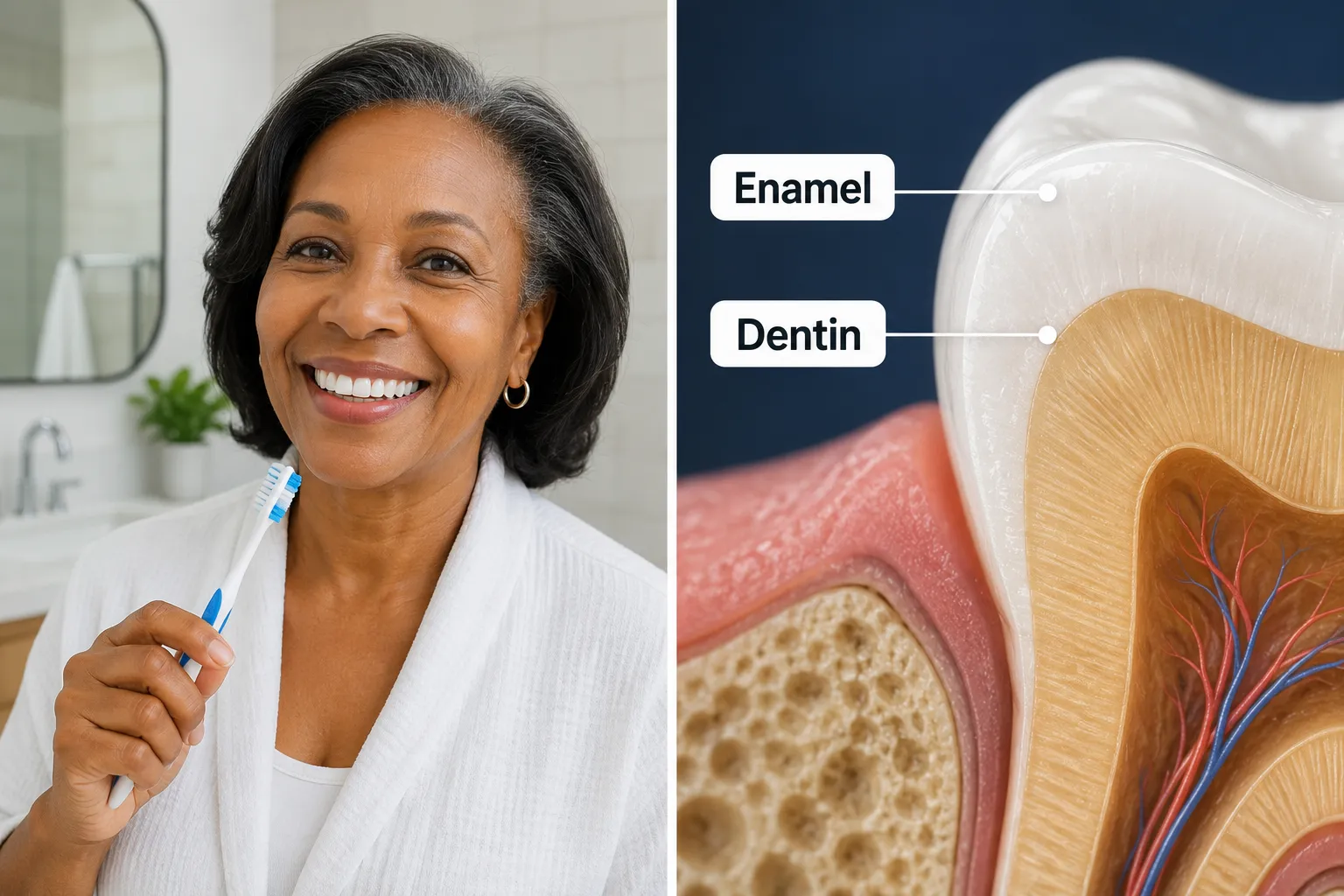
Can BioDentex Damage Enamel?
No, BioDentex is not expected to damage enamel. The formula does not contain acidic compounds or high-abrasion particles that are known to erode enamel. In fact, the calcium and vitamin D3 components are included specifically to support enamel remineralization.
Enamel damage from supplements is rare and typically associated with highly acidic products or excessive vitamin C in chewable form. BioDentex does not fall into either category based on its listed ingredients.
Can I Use BioDentex If I Have Gum Disease?
BioDentex can be used alongside conventional gum disease treatment, but it should not replace professional dental care. Active gum disease (periodontitis) requires professional scaling, root planing, and in some cases antibiotic therapy.
The green tea extract, zinc, and probiotic components in BioDentex may offer supportive benefits for gum inflammation and bacterial balance, but the evidence is not strong enough to treat established periodontitis on its own. Use it as a complement to your dentist’s recommended treatment plan, not as a substitute.
For more guidance on maintaining gum health at home, see our resource on how to have healthy gums and teeth.
What Makes BioDentex Different from Regular Toothpaste?
BioDentex is an ingestible supplement, not a topical paste. Regular toothpaste works mechanically and chemically on tooth surfaces. BioDentex works systemically, delivering nutrients and botanicals through digestion to support oral tissues from within.
This is a fundamentally different approach. It is not a replacement for brushing and flossing but rather an addition to a complete oral hygiene routine. Think of it like comparing a multivitamin to a topical skin cream, both can contribute to health, but through entirely different mechanisms.
Does BioDentex Work on Yellow Teeth?
BioDentex is not a whitening product. It does not contain peroxide, activated charcoal, or any bleaching agent. Users should not expect significant whitening results from this supplement.
That said, some users report that their teeth look cleaner over time, which may result from reduced plaque buildup (a major contributor to surface staining) rather than any bleaching effect. If whitening is your primary goal, a peroxide-based whitening treatment is more appropriate.
Does BioDentex Have Any Harmful Chemicals?
Based on the publicly disclosed ingredient list, BioDentex does not contain known harmful chemicals. There are no parabens, artificial sweeteners, heavy metals, or synthetic preservatives listed.
However, a few cautions apply:
- Clove extract contains eugenol, which can cause irritation or allergic reactions in sensitive individuals.
- Licorice root contains glycyrrhizin in whole-root form, which can affect blood pressure in very high doses. The extract form used in supplements typically contains much lower levels, but people with hypertension should check with their doctor.
- Proprietary blends: If any portion of the formula is listed as a proprietary blend without specific dosages, it is harder to assess safety independently.
Are the Dosages Transparent?
This is one area where BioDentex, like many oral health supplements, could improve. Some ingredients are listed with specific milligram amounts, while others may be grouped under a proprietary blend. Full dosage transparency allows consumers and healthcare providers to compare ingredient levels against published research thresholds.
If you are comparing BioDentex to other oral supplements, look for products that disclose full dosages on the label. For a comparison of similar products, our best oral health supplements guide covers several options side by side.
How Do the BioDentex Ingredients Work Together?
The formula is designed with complementary mechanisms in mind. Clove and green tea address bacterial load. Zinc reduces plaque and controls sulfur compounds that cause bad breath. Calcium and vitamin D3 support the structural integrity of teeth. Probiotics aim to shift the oral microbiome toward a healthier balance. Peppermint provides immediate freshness.
This multi-angle approach makes sense in theory. Whether the specific combination and doses in BioDentex produce synergistic effects has not been tested in a controlled clinical trial, but each individual ingredient has at least some published support for its role in oral health.
How Much Does BioDentex Cost?
BioDentex is sold primarily through its official website and select online retailers. Pricing as of 2026 is approximately:
- Single bottle (30-day supply): around $49 to $59
- Three-bottle bundle: approximately $39 to $45 per bottle
- Six-bottle bundle: approximately $33 to $39 per bottle
These are estimates based on typical pricing for this supplement category. Prices may vary by retailer and promotional period. Subscription discounts are sometimes available. Always purchase from the official website or a verified retailer to avoid counterfeit products.
Is BioDentex Safe for Kids?
BioDentex is formulated for adults and is generally not recommended for children under 12. Children’s oral health needs differ from adults, and some botanical extracts in the formula, such as clove and peppermint oil, are not appropriate at adult doses for young children.
For children’s dental health guidance, see our article on tips to keep kids’ and teens’ teeth healthy.
What Are Common Side Effects of BioDentex?
Most users tolerate BioDentex well. Reported side effects are generally mild and include:
- Mild digestive discomfort during the first few days of use
- Occasional mouth tingling from peppermint oil
- Rare allergic reactions to botanical ingredients (clove, licorice)
Serious side effects are not commonly reported. However, if you are pregnant, breastfeeding, or taking prescription medications, consult your healthcare provider before starting any new supplement.
Where Can I Buy BioDentex?
BioDentex is available through its official website and some third-party online marketplaces. Purchasing directly from the manufacturer is generally recommended to ensure product authenticity and access to any money-back guarantee. Brick-and-mortar availability is limited as of 2026.
FAQ
Q: Are BioDentex ingredients tested by third parties?
As of 2026, independent third-party testing certificates for BioDentex are not prominently published on the product website. Consumers who prioritize verified purity should contact the manufacturer directly to request a Certificate of Analysis.
Q: Can I take BioDentex with other supplements?
Generally yes, but check for overlapping nutrients. If you already take a calcium or zinc supplement, adding BioDentex could push your intake above recommended daily limits. Review total daily intake with a healthcare provider.
Q: How long does it take to see results from BioDentex?
Most supplement-based oral health products require consistent use for 4 to 12 weeks before noticeable changes in gum health or breath occur. Results vary by individual.
Q: Does BioDentex replace brushing and flossing?
No. BioDentex is a supplement, not a replacement for mechanical cleaning. Brushing twice daily and flossing remain essential.
Q: Is BioDentex vegan?
This depends on the source of Vitamin D3. If derived from lanolin, it is not vegan. Check the product label or contact the manufacturer for clarification on sourcing.
Q: Can BioDentex help with tooth sensitivity?
It may offer indirect support through enamel mineralization (calcium and vitamin D3), but it is not a direct treatment for dentin hypersensitivity. A desensitizing toothpaste or professional fluoride treatment is more targeted for that concern.
Q: Is BioDentex FDA-approved?
Dietary supplements are not FDA-approved in the same way prescription drugs are. BioDentex should be manufactured in an FDA-registered facility following Good Manufacturing Practices (GMP), but the product itself does not carry FDA approval.
Q: How does BioDentex compare to ProDentim or Steel Bite Pro?
All three are ingestible oral health supplements with overlapping ingredients. The key differences lie in probiotic strain selection, proprietary blend transparency, and price. BioDentex emphasizes botanical extracts alongside probiotics, while some competitors lean more heavily on probiotic counts alone.
Conclusion
The BioDentex ingredients list reflects a thoughtful, science-informed approach to oral health supplementation. Clove extract, green tea, zinc, calcium, vitamin D3, and probiotics each have credible research supporting their roles in dental and gum health. The formula avoids harsh chemicals and artificial additives, making it a reasonable choice for health-conscious adults seeking natural support for their oral care routine.
That said, no supplement replaces professional dental care, regular brushing, or flossing. BioDentex works best as part of a complete oral hygiene strategy, not as a standalone solution.
Actionable next steps:
- Review the full ingredient label and check for any personal allergens before purchasing.
- Consult your dentist if you have active gum disease, cavities, or are on prescription medications.
- Combine BioDentex with twice-daily brushing, daily flossing, and regular dental checkups.
- Allow at least 8 to 12 weeks of consistent use before evaluating results.
- Purchase from the official website to ensure product authenticity.
For a deeper dive into how this product compares to others in the category, read our complete best oral health supplements for stronger teeth and gums review. You may also find our guide on how to stop tooth pain and plaque removal strategies useful as part of your broader oral health plan.
References
- Cai, L., & Wu, C. D. (1996). Compounds from Syzygium aromaticum possessing growth inhibitory activity against oral pathogens. Journal of Natural Products, 59(10), 987-990.
- Chatterjee, A., Saluja, M., Agarwal, G., & Alam, M. (2012). Green tea: A boon for periodontal and general health. Journal of Indian Society of Periodontology, 16(2), 161-167.
- Dietrich, T., Joshipura, K. J., Dawson-Hughes, B., & Bischoff-Ferrari, H. A. (2004). Association between serum concentrations of 25-hydroxyvitamin D3 and periodontal disease in the US population. American Journal of Clinical Nutrition, 80(1), 108-113.
- Didry, N., Dubreuil, L., & Pinkas, M. (1994). Activity of thymol, carvacrol, cinnamaldehyde and eugenol on oral bacteria. Pharmaceutica Acta Helvetiae, 69(1), 25-28.
- Farrell, S., et al. (2008). The clinical efficacy of a dentifrice containing zinc citrate and a commercially available dentifrice containing triclosan/copolymer on parameters of gingival health and plaque. Journal of Clinical Dentistry, 19(1), 16-20.
- Hu, C. H., He, J., Eckert, R., Wu, X. Y., Li, L. N., Tian, Y., & Shi, W. (2011). Development and evaluation of a safe and effective sugar-free herbal lollipop that kills cavity-causing bacteria. International Journal of Oral Science, 3(1), 13-20.
- Shayegh, S., Rasooli, I., Taghizadeh, M., & Astaneh, S. D. A. (2008). Phytotherapeutic inhibition of supragingival dental plaque. Natural Product Research, 22(5), 428-439.
- Twetman, S., Derawi, B., Keller, M., Ekstrand, K., Yucel-Lindberg, T., & Stecksen-Blicks, C. (2009). Short-term effect of chewing gums containing probiotic Lactobacillus reuteri on the levels of inflammatory mediators in gingival crevicular fluid. Acta Odontologica Scandinavica, 67(1), 19-24.
Tags: BioDentex ingredients, oral health supplements, natural dental ingredients, gum health supplement, clove extract dental, green tea oral health, probiotic oral care, zinc for teeth, calcium for enamel, fluoride-free supplement, dental supplement review, plaque reduction