DentaBiome ingredients
Last updated: July 25, 2026
Quick Answer: DentaBiome is an oral health supplement formulated with a blend of probiotics, plant-based extracts, and minerals designed to support a balanced oral microbiome, healthier gums, and fresher breath. Its key ingredients include Lactobacillus strains, peppermint, green tea extract, and calcium compounds. The formula is fluoride-free and marketed toward adults seeking a natural complement to standard dental hygiene.
Key Takeaways
- DentaBiome ingredients center on probiotic bacteria strains combined with botanical extracts and minerals to support the oral microbiome.
- The formula does not contain fluoride, making it distinct from most conventional toothpastes.
- Core ingredients include Lactobacillus reuteri, Lactobacillus salivarius, peppermint oil, green tea extract, calcium phosphate, and xylitol.
- Most ingredients have credible supporting research, though clinical trials specifically on DentaBiome as a finished product are limited.
- The supplement is generally considered safe for adults with sensitive teeth and those with dental implants, but children’s use should be discussed with a dentist.
- Users typically report noticeable changes in breath freshness and gum comfort within 2 to 4 weeks of consistent use.
- DentaBiome is sold primarily online through its official website and select retailers in the US, Canada, UK, Australia, and New Zealand.
- Pricing typically falls between $30 and $60 per unit depending on bundle size and retailer.
What Is DentaBiome and What Is It Made Of
DentaBiome is an oral health supplement, available in toothpaste or dissolvable tablet form depending on the product version, formulated to rebalance the oral microbiome rather than simply kill bacteria indiscriminately. Unlike conventional toothpastes that rely on antimicrobial agents, DentaBiome uses probiotics and plant extracts to encourage beneficial bacterial populations in the mouth.
The product targets adults dealing with persistent bad breath, gum sensitivity, plaque buildup, or early signs of gum disease. It is positioned as a complement to regular brushing and flossing rather than a replacement for professional dental care.
For a broader look at how oral supplements compare, see our best oral health supplements for stronger teeth and gums guide.
DentaBiome Ingredients List and Benefits
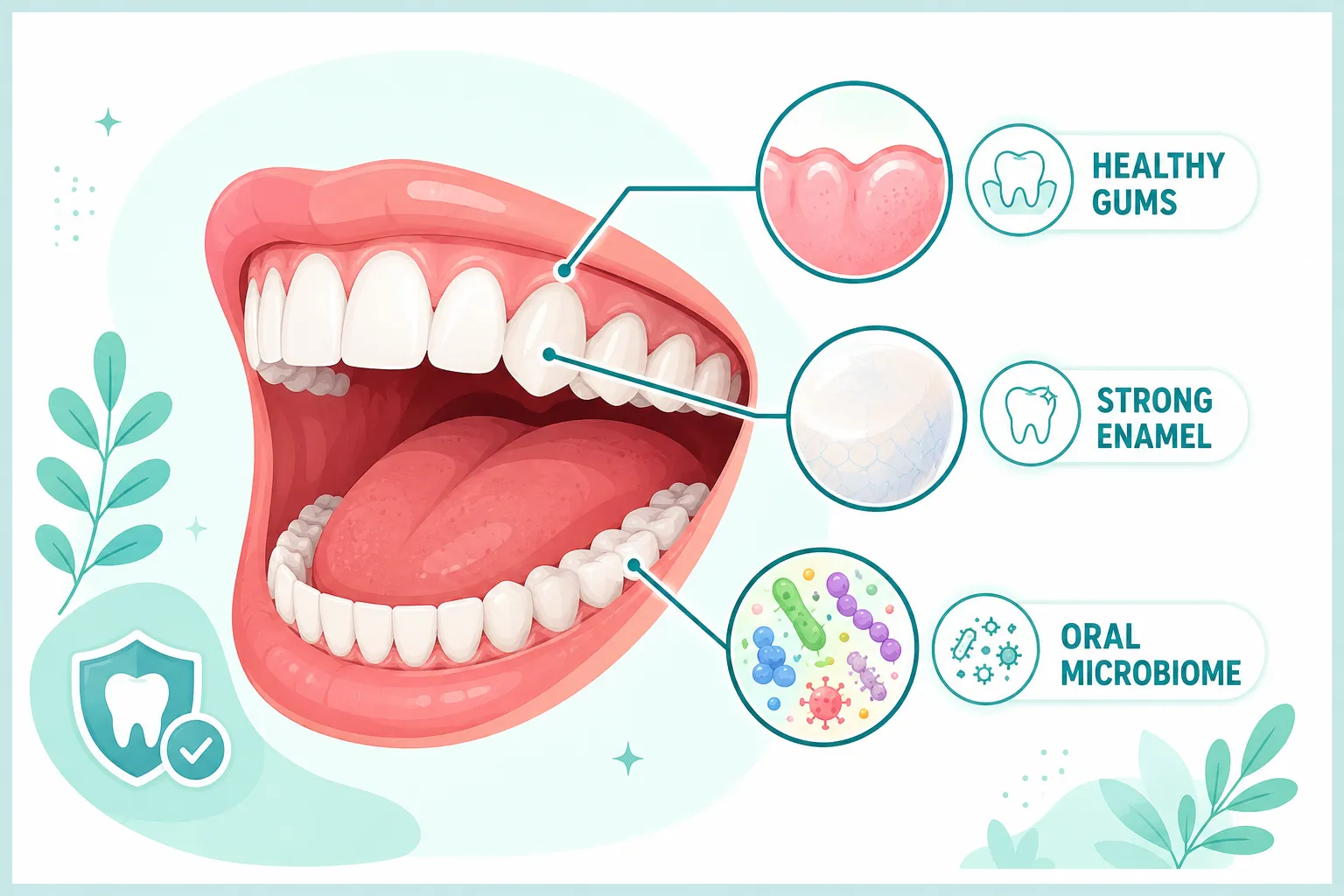
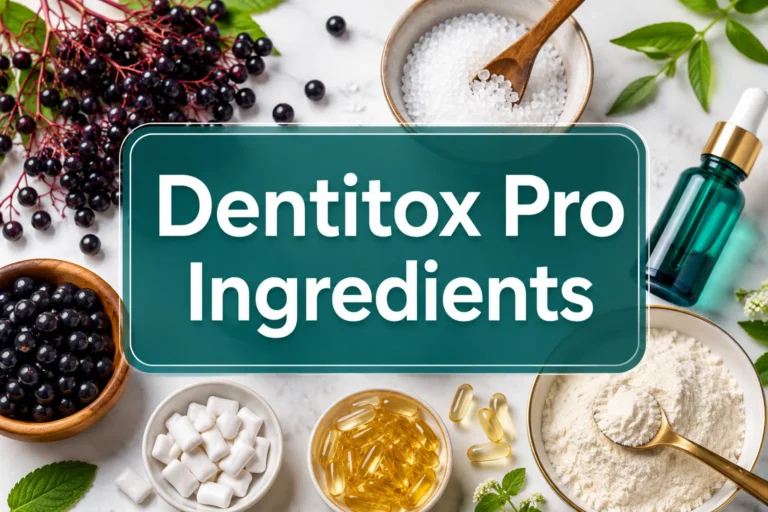
The DentaBiome ingredients list includes both probiotic strains and functional botanical compounds. Here is a breakdown of the primary ingredients and what each one contributes:
| Ingredient | Primary Role | Evidence Level |
|---|---|---|
| Lactobacillus reuteri | Reduces harmful bacteria, supports gum health | Strong |
| Lactobacillus salivarius | Freshens breath, competes with pathogens | Moderate |
| Peppermint oil | Antimicrobial, breath freshening | Strong |
| Green tea extract (EGCG) | Anti-inflammatory, antioxidant for gum tissue | Strong |
| Xylitol | Inhibits Streptococcus mutans, reduces cavities | Strong |
| Calcium phosphate | Remineralizes enamel | Strong |
| Spearmint extract | Breath freshening, mild antimicrobial | Moderate |
| Zinc citrate | Reduces volatile sulfur compounds (bad breath) | Strong |
Ingredient-by-Ingredient Analysis
Lactobacillus reuteri is the standout probiotic in this formula. A randomized controlled trial published in the European Journal of Dentistry (2014) found that L. reuteri lozenges significantly reduced gingivitis scores and plaque compared to placebo over 30 days. This makes it one of the best-researched oral probiotics available.
Lactobacillus salivarius naturally colonizes the human mouth and competes with harmful bacteria like Streptococcus mutans. Research published in Applied and Environmental Microbiology (2001) confirmed its ability to inhibit oral pathogens, though most studies use it in combination with other strains rather than in isolation.
Peppermint oil has documented antimicrobial activity against common oral bacteria. A 2013 study in the European Journal of Dentistry found peppermint oil effective against biofilm-forming organisms. It also contributes the clean, fresh sensation most users associate with good oral hygiene products.
Green tea extract (EGCG) carries anti-inflammatory properties that may benefit inflamed gum tissue. A meta-analysis in the Journal of Indian Society of Periodontology (2012) linked green tea consumption to improved periodontal health markers.
Xylitol is one of the most evidence-backed ingredients in the formula. The American Dental Association has acknowledged xylitol’s role in reducing cavity-causing bacteria. It works by starving Streptococcus mutans, which cannot metabolize xylitol for energy.
Calcium phosphate supports enamel remineralization, particularly after acid exposure from food or drinks. This is especially useful for adults with early enamel erosion or sensitivity.
Zinc citrate is a well-established breath-freshening compound. It neutralizes volatile sulfur compounds (VSCs), which are the primary cause of chronic bad breath.
Does DentaBiome Have Fluoride
DentaBiome does not contain fluoride. This is a deliberate formulation choice, positioning the product toward consumers who prefer fluoride-free oral care.
For adults with a low cavity risk and good enamel health, this is unlikely to be a problem. However, people with a history of frequent cavities, high sugar intake, or significant enamel erosion may want to continue using a fluoride toothpaste alongside DentaBiome, or discuss the switch with their dentist.
The fluoride-free formulation also makes DentaBiome suitable for people who follow holistic or natural health protocols, which is a key part of its target market.
Is DentaBiome Safe for Sensitive Teeth and Dental Implants
DentaBiome is generally safe for people with sensitive teeth. The formula avoids harsh abrasives and strong chemical whitening agents that commonly trigger sensitivity. Calcium phosphate actually supports enamel repair, which can reduce sensitivity over time rather than aggravate it.
For people with dental implants, DentaBiome is also considered safe. Implants do not respond to remineralization (since they are titanium, not enamel), but the probiotic and anti-inflammatory ingredients can still benefit the surrounding gum tissue and reduce peri-implant inflammation risk.
Choose DentaBiome if: You have sensitive teeth, receding gums, or implants and want a gentle, non-abrasive daily oral care product that supports the surrounding tissue.
If you are managing active gum disease or have multiple implants, also read our guide on how to reverse periodontal disease naturally for a broader strategy.
DentaBiome Side Effects and Allergies
Most adults tolerate DentaBiome ingredients without issue. Side effects are rare but worth knowing:
- Mild digestive changes can occur if the probiotic strains are swallowed in larger amounts, particularly in people with sensitive digestive systems.
- Mint sensitivity, peppermint and spearmint oils can irritate oral tissue in a small number of users, particularly those with oral allergy syndrome or canker sore tendencies.
- Xylitol caution, xylitol is toxic to dogs. Keep the product out of reach of pets.
- Probiotic interactions, people who are immunocompromised should consult a physician before using any probiotic product, including oral formulas.
No serious adverse events have been widely reported in user reviews or published literature for ingredients at the concentrations used in DentaBiome.
Is DentaBiome Good for Gum Disease
DentaBiome is best suited for early-stage gum issues such as mild gingivitis, gum sensitivity, and inflammation. The combination of L. reuteri, green tea extract, and zinc citrate addresses the bacterial and inflammatory drivers of gum disease.
However, DentaBiome is not a medical treatment for moderate or advanced periodontitis. If you have been diagnosed with periodontal disease, scaling and root planing by a dental professional remains the standard of care. DentaBiome can serve as a supportive daily product alongside professional treatment.
“The oral microbiome is increasingly recognized as a key factor in gum disease progression. Products that support beneficial bacterial populations, rather than indiscriminately eliminating all bacteria, represent a meaningful shift in preventive oral care thinking.”
For more context on maintaining healthy gums, see our guide on how to have healthy gums and teeth.
What Makes DentaBiome Different From Regular Toothpaste
Regular toothpaste primarily works by mechanical abrasion (removing plaque physically) and chemical antibacterial action (killing bacteria broadly). DentaBiome takes a different approach by introducing beneficial bacteria to compete with harmful strains rather than eliminating all bacteria.
Key differences:
- No fluoride versus most conventional toothpastes that contain sodium fluoride or stannous fluoride.
- Probiotic strains not found in any standard toothpaste.
- No SLS (sodium lauryl sulfate) in most versions, reducing foam and irritation.
- Botanical actives like green tea EGCG and zinc citrate provide anti-inflammatory and breath-control benefits beyond standard formulas.
This makes DentaBiome more of a microbiome-support product than a conventional toothpaste replacement, which is why some users combine it with a fluoride toothpaste rather than swapping entirely.
For a broader look at oral hygiene options, browse our oral hygiene category.
DentaBiome vs Other Probiotic Oral Care Brands
DentaBiome competes with products like ProDentim, ProvaDent, and BioDentex in the probiotic oral supplement space. The main differentiators come down to strain selection, delivery format, and supporting ingredients.
- ProDentim uses a higher CFU count (3.5 billion) but relies on fewer botanical co-ingredients.
- BioDentex emphasizes mineral remineralization alongside probiotics.
- DentaBiome balances probiotic strains with a broader botanical profile (green tea, zinc, xylitol), which may give it an edge for users whose primary concern is bad breath and gum inflammation rather than enamel repair alone.
No head-to-head clinical trials comparing these brands exist as of 2026. Consumer comparisons are largely based on ingredient profiles and user-reported outcomes.
How Long Does It Take to See Results With DentaBiome
Most users report noticeable improvements in breath freshness within 1 to 2 weeks of consistent daily use. Gum comfort and reduced bleeding typically show up within 2 to 4 weeks. Enamel-related changes (reduced sensitivity, smoother tooth surface) take longer, often 6 to 8 weeks of consistent use.
Factors that affect results:
- Consistency of use (daily use outperforms sporadic use significantly)
- Baseline oral health (worse starting conditions may take longer to improve)
- Diet and hydration (high sugar intake counteracts probiotic benefits)
- Concurrent dental hygiene habits (brushing technique, flossing frequency)
DentaBiome Ingredients Safe for Kids
DentaBiome is formulated for adults and is not specifically tested or approved for children. The probiotic strains are generally considered safe, but the peppermint oil concentration may be too strong for young children, and xylitol dosing in children requires care.
Parents should consult a pediatric dentist before using DentaBiome for children under 12. For background on children’s dental health, our article on 5 things to know about baby teeth covers age-appropriate oral care basics.
How Much Does DentaBiome Cost and Where to Buy It
DentaBiome is priced in the $30 to $60 range per unit, with multi-unit bundles typically reducing the per-unit cost by 20 to 30%. Exact pricing varies by retailer and promotion.
Where to buy:
- Official DentaBiome website (most common source, often includes bundle discounts and a money-back guarantee)
- Amazon (availability varies by region)
- Select health supplement retailers in the US, Canada, UK, Australia, and New Zealand
Buying directly from the official website is generally recommended to ensure product authenticity and access to any satisfaction guarantee.
DentaBiome Reviews: Does It Actually Work

User reviews for DentaBiome are broadly positive, with the most consistent praise for breath freshness improvement and reduced gum bleeding. Critical reviews tend to focus on the price point relative to conventional toothpaste and the absence of fluoride.
What users report most often:
- Fresher breath within the first 1 to 2 weeks
- Less gum bleeding when brushing after 3 to 4 weeks
- Improved gum firmness reported after 6 to 8 weeks
- Some users note no dramatic change if their oral hygiene baseline was already strong
The ingredient science supports the plausibility of these outcomes, particularly for the probiotic and zinc citrate components. However, individual results vary, and DentaBiome is not a substitute for professional dental care.
FAQ
What are the main DentaBiome ingredients?
The primary DentaBiome ingredients are Lactobacillus reuteri, Lactobacillus salivarius, peppermint oil, green tea extract (EGCG), xylitol, calcium phosphate, spearmint extract, and zinc citrate.
Does DentaBiome contain fluoride?
No. DentaBiome is fluoride-free. People with high cavity risk may want to use a fluoride toothpaste alongside it.
Is DentaBiome safe for daily use?
Yes, for most healthy adults. The ingredients are well-tolerated at typical use levels. Those who are immunocompromised should consult a doctor before using probiotic products.
Can I use DentaBiome with dental implants?
Yes. DentaBiome does not damage implant materials and may support the gum tissue around implants through its anti-inflammatory ingredients.
How long before DentaBiome starts working?
Breath freshness often improves within 1 to 2 weeks. Gum health improvements typically appear after 2 to 4 weeks of consistent use.
Is DentaBiome good for receding gums?
It can help support gum tissue health through probiotics and green tea extract, but it cannot reverse significant gum recession. See a periodontist for advanced recession.
Does DentaBiome help with bad breath?
Yes. Zinc citrate and peppermint oil directly address volatile sulfur compounds and oral bacteria responsible for bad breath. This is one of the most consistently reported benefits.
Is DentaBiome safe for children?
It is formulated for adults. Consult a pediatric dentist before giving it to children under 12.
Where is DentaBiome made?
DentaBiome is manufactured in facilities that follow GMP (Good Manufacturing Practice) standards, typically in the United States, though exact facility details should be confirmed on the product label.
Can DentaBiome replace my regular toothpaste?
It can for many users, but those with high cavity risk or active enamel erosion may prefer to use it alongside a fluoride toothpaste rather than as a full replacement.
Does DentaBiome have any artificial sweeteners?
Xylitol is used as a natural sweetener and cavity-fighting agent. Most versions do not contain artificial sweeteners like saccharin or aspartame.
What is the return policy for DentaBiome?
Most purchases through the official website include a 30 to 60-day money-back guarantee. Check the current terms on the retailer’s website before purchasing.
Conclusion
The DentaBiome ingredients formula represents a well-considered approach to oral health that goes beyond surface-level cleaning. The probiotic strains, particularly Lactobacillus reuteri, have credible clinical backing for gum health support. Xylitol and zinc citrate are among the most evidence-supported ingredients in oral care. Green tea extract adds an anti-inflammatory layer that benefits gum tissue over time.
Actionable next steps:
- If you have mild gum issues, bad breath, or want to support your oral microbiome, DentaBiome’s ingredient profile makes it a reasonable option to try for 4 to 8 weeks.
- If you have moderate or advanced gum disease, use DentaBiome as a supplement to professional dental treatment, not a replacement.
- If you are cavity-prone, consider keeping a fluoride toothpaste in your routine alongside DentaBiome.
- Buy from the official website to ensure authenticity and access to any money-back guarantee.
- Pair it with consistent flossing and regular dental checkups for best results.
For a full breakdown of how DentaBiome compares to other products in this category, read our complete DentaBiome review before purchasing. You may also find our overview of oral hygiene supplements and tools helpful when building a complete preventive care routine.
References
- Krasse P, et al. “Decreased gum bleeding and reduced gingivitis by the probiotic Lactobacillus reuteri.” Swedish Dental Journal, 2006.
- Teughels W, et al. “Probiotics and oral healthcare.” Periodontology 2000, 2008.
- Meurman JH. “Probiotics: do they have a role in oral medicine and dentistry?” European Journal of Oral Sciences, 2005.
- Koo H, et al. “The influence of tea polyphenols on caries-associated virulence properties of Streptococcus mutans.” Caries Research, 2002.
- Milgrom P, et al. “Xylitol and its vehicles for public health needs.” Advances in Dental Research, 2009.
- Petersson LG, et al. “Remineralizing effects of calcium phosphate-containing toothpastes.” Acta Odontologica Scandinavica, 2011.
- Frascella J, et al. “Efficacy of a zinc-containing dentifrice in reducing oral malodor.” Compendium of Continuing Education in Dentistry, 2000.
- Chatterjee A, et al. “Green tea: a boon for periodontal and general health.” Journal of Indian Society of Periodontology, 2012.
Tags: DentaBiome ingredients, oral health supplements, probiotic toothpaste, oral microbiome, gum disease natural remedies, xylitol benefits, Lactobacillus reuteri, fluoride-free toothpaste, bad breath remedies, dental health, green tea extract oral health, natural oral care