Prescription Disease Treating Medications: A Complete Guide
Last updated: October 16, 2026
Quick Answer
Prescription disease treating medications are drugs that require a doctor’s or qualified prescriber’s authorization because they treat, control, or slow down a specific medical condition, from diabetes and high blood pressure to rare genetic disorders. They work by targeting a disease process directly in the body, cost less in generic form, and should never be started, changed, or stopped without medical guidance. In 2026 alone, regulators have cleared dozens of new options for conditions that had few treatments before [6].
Key Takeaways
- Most prescription disease treating medications fall into a handful of drug classes: metformin and insulin for diabetes, statins for cholesterol, ACE inhibitors for blood pressure, and targeted biologics for cancer and rare disease.
- Generic prescription drugs contain the same active ingredient as brand-name prescription medicines and typically cost far less.
- Stopping a prescription drug suddenly can trigger withdrawal, rebound symptoms, or disease flare-ups, especially with heart, seizure, and psychiatric medications.
- Alcohol can intensify side effects or block how a drug metabolizes, raising the risk of liver strain or dangerous interactions.
- New approvals in 2026, including treatments for rare endocrine disease, Parkinson’s disease, and type 2 diabetes, show medicine moving toward narrower, biomarker-driven treatment [6].
- A pharmacist, not just a doctor, can often help prescriptions move faster for common infections through Pharmacy First-style services.
- Building your medical vocabulary around drug names and dosing terms helps you manage treatment more confidently over the years.
What Are Prescription Disease Treating Medications and Which Ones Are Most Common
Prescription disease treating medications are drugs a licensed prescriber must authorize because they carry risks, need dosing supervision, or treat conditions that cannot be safely self-managed. The most common ones treat high-volume chronic conditions: diabetes, high blood pressure, high cholesterol, asthma, depression, and thyroid disease.
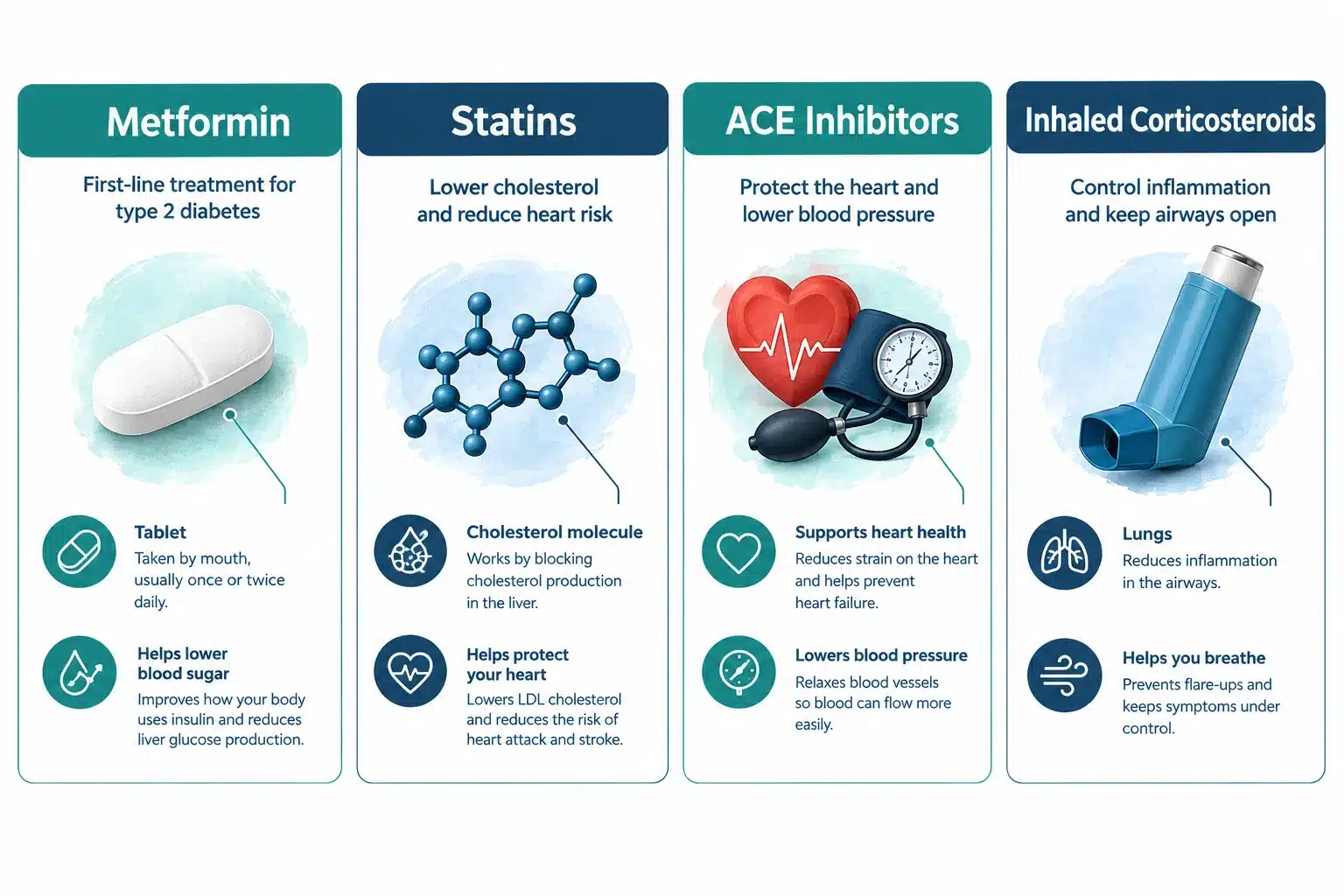
Across general practice, a short list of drug classes covers most chronic disease prescribing:
- Metformin and insulin for type 2 and type 1 diabetes
- Statins (such as atorvastatin) for high cholesterol
- ACE inhibitors and ARBs for blood pressure and heart failure
- Levothyroxine for underactive thyroid
- Inhaled corticosteroids and bronchodilators for asthma and COPD
- SSRIs for depression and anxiety disorders
Regulators keep expanding this list. The FDA has cleared 46 novel drug approvals so far in 2026, with recent additions covering herpes simplex virus infection, a rare endocrine disease called MCT8 deficiency, fibrodysplasia ossificans progressiva, Parkinson’s disease, cholangiocarcinoma, and type 2 diabetes, which confirms that most new medicine now targets complex or previously underserved conditions [6]. For patients managing metabolic disease specifically, newer options also overlap with weight management; our guide to GLP-1 medications for weight loss and diabetes breaks down how these drugs fit alongside traditional diabetes prescriptions.
How Do Prescription Disease Treating Medications Work in the Body
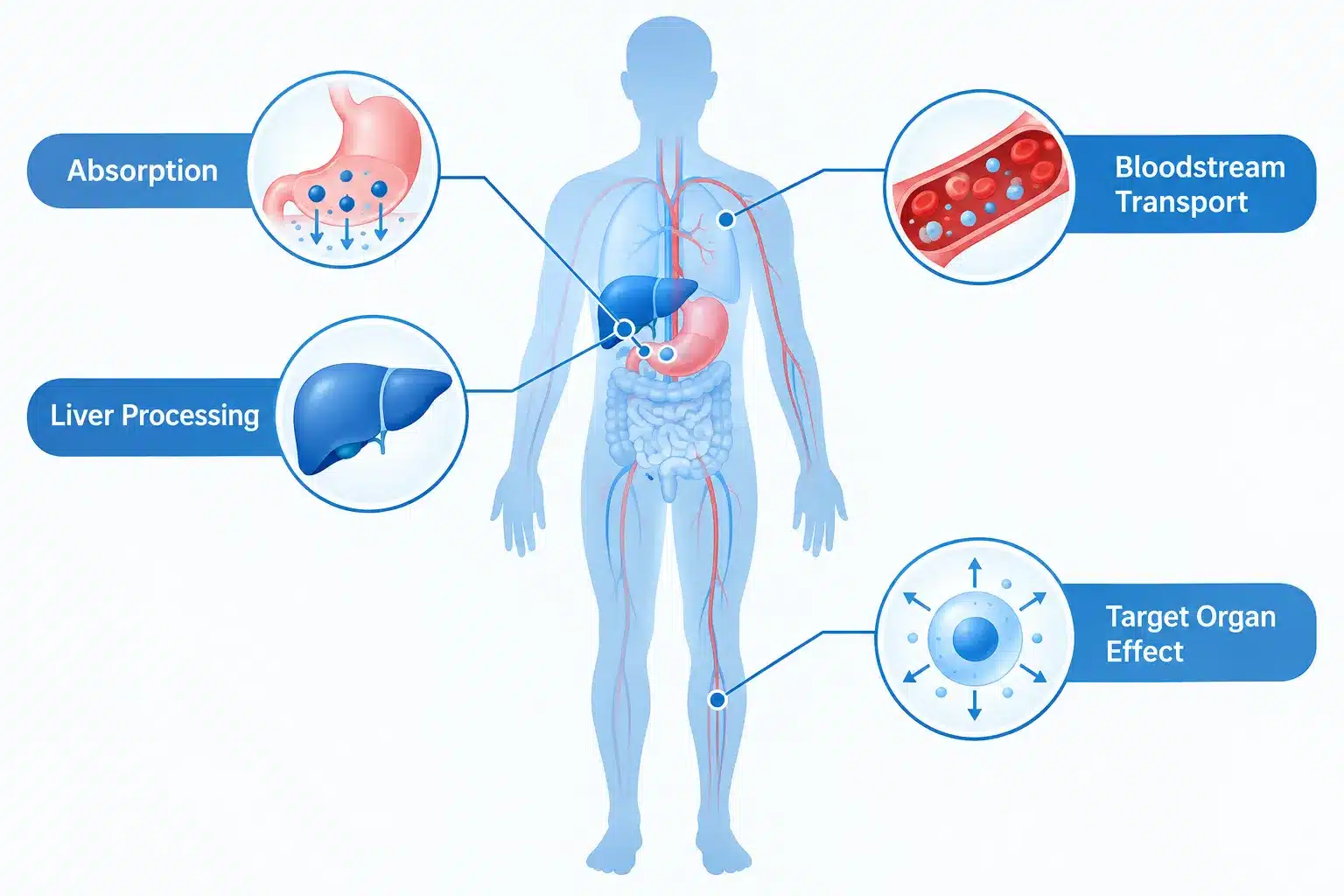
Prescription disease medications work by interrupting, slowing, or correcting a specific biological process tied to the disease, such as blood sugar regulation, inflammation, or abnormal cell growth. Most reach the bloodstream through the digestive system or an injection, then travel to a target organ or receptor where they act.
A few common mechanisms:
- Enzyme or receptor blockers (ACE inhibitors, beta-blockers) stop a chemical signal that raises blood pressure.
- Hormone replacements (insulin, levothyroxine) restore a hormone the body cannot produce enough of.
- Immune-targeted therapies redirect or boost immune cells to attack disease, as seen in newer cancer treatments like atezolizumab combined with chemotherapy for Stage III mismatch repair-deficient colon cancer [2].
- Kinase inhibitors block growth signals inside diseased cells, the approach behind pirtobrutinib for chronic lymphocytic leukemia [2][11].
The liver and kidneys usually break down the drug and clear it from the body, which is why dosing depends on organ function, age, and sometimes genetics. For complex liver-related disease, our FDA-approved liver disease treatments overview explains how newer drug mechanisms target organ-specific damage.
Brand Name vs. Generic Prescription Drugs: What’s the Difference
Brand-name and generic prescription drugs contain the same active ingredient, work the same way in the body, and must meet identical FDA standards for strength and quality. The real differences are price, appearance, and sometimes inactive fillers.
| Feature | Brand Name Prescription Medicine | Generic Prescription Drug |
|---|---|---|
| Active ingredient | Original formula | Same active ingredient |
| FDA approval pathway | New drug application | Abbreviated application showing equivalence |
| Typical cost | Higher | Often 80 percent lower |
| Appearance | Patented shape and color | May look different |
| Availability | Limited while under patent | Wider once patent expires |
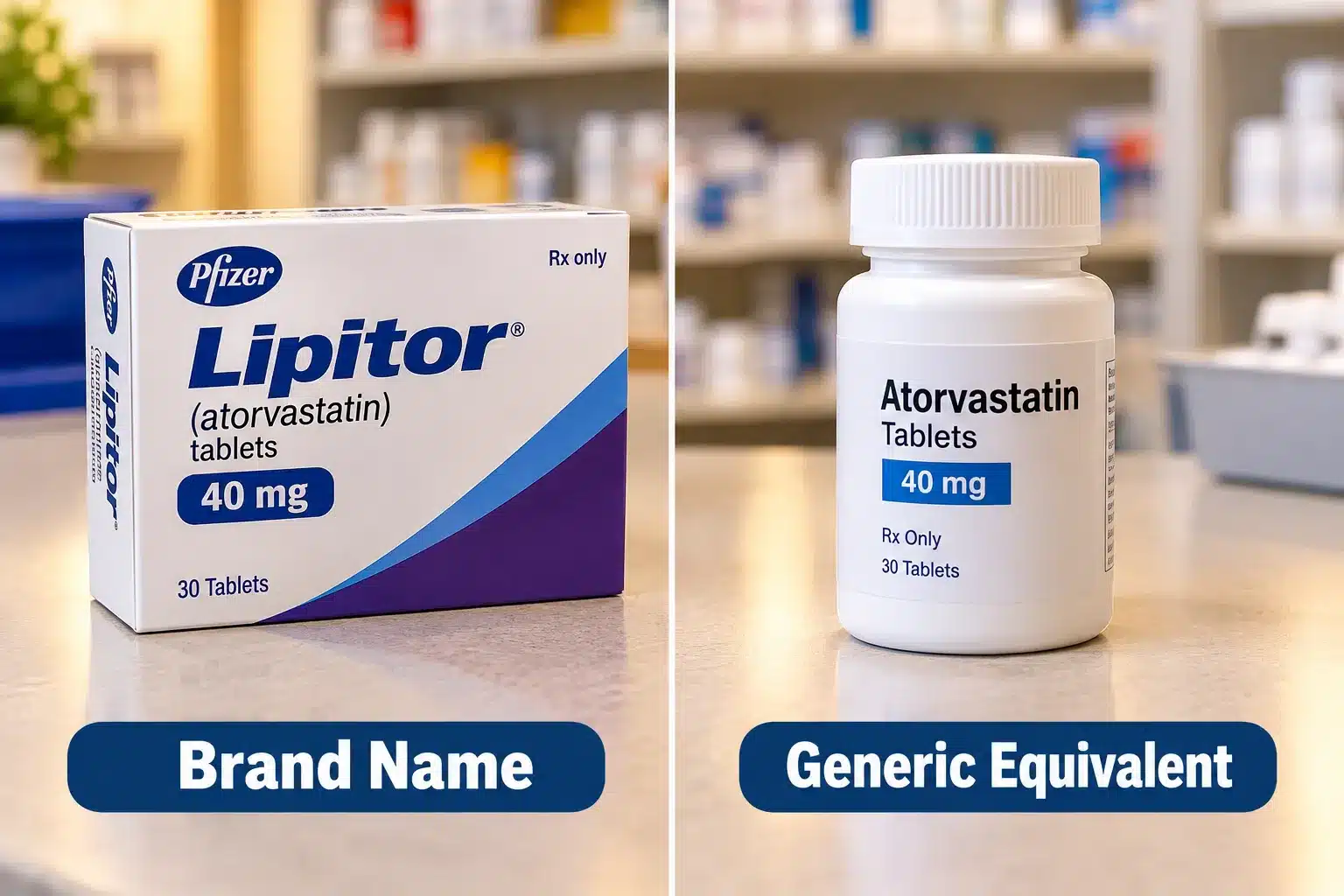
Decision rule: Choose the generic version whenever your pharmacist confirms it is available and your prescriber has not specified “brand only” for medical reasons, such as narrow-therapeutic-index drugs like certain thyroid or seizure medications. A common mistake is assuming generics are weaker; regulatory bodies that review drug approvals, including those tracked in the FDA’s history of approvals, require bioequivalence testing before a generic reaches the pharmacy [10].
How Much Do Prescription Disease Medications Cost Without Insurance
Without insurance, prescription disease medications can range from under 10 dollars a month for older generics to several thousand dollars a month for newer brand-name biologics. Chronic disease drugs like metformin or lisinopril are usually inexpensive, while targeted cancer or rare-disease therapies cost far more because of smaller patient populations and newer research investment.
Cost-lowering options worth knowing:
- Ask your pharmacy about the generic equivalent first.
- Compare prices across pharmacies, since cash prices vary widely.
- Look into manufacturer savings cards for brand-name prescriptions.
- Check government negotiation programs: by early 2026, Medicare had completed negotiations covering 10 high-expenditure drugs with discounts effective January 2026, and 15 more drugs with discounts effective January 2027, a policy shift expected to pressure prices on future prescription medicines too [8].
For patients comparing newer discount programs, our breakdown of the official TrumpRx drug list and directory and related GLP-1 medication cost guide cover what patients actually pay in 2026.
What Are the Side Effects of Common Prescription Disease Treatments, and What Should You Do About Them
Common side effects of prescription disease treatments include nausea, fatigue, dizziness, digestive upset, and mild allergic reactions, and most are manageable without stopping the drug. The right response depends on how severe the symptom is and how long it lasts.
If you notice a mild side effect:
- Keep taking the medication unless a pharmacist or prescriber advises otherwise.
- Take the dose with food if stomach upset is the issue.
- Track when the symptom happens and how long it lasts.
- Call your pharmacy or prescriber if it does not improve within a few days.
If the reaction is severe, such as swelling, trouble breathing, chest pain, or a widespread rash, stop the medication and seek urgent medical care immediately. New drug approvals in 2026 for difficult-to-treat conditions, including Hovilpri (pritelivir) for herpes simplex virus infections in immunocompromised adults, went through extensive safety review before reaching pharmacies, and their prescribing information lists specific monitoring steps patients should follow [3][10].
Can You Stop Taking Prescription Disease Medication Suddenly
No, stopping prescription disease medication suddenly is risky for many chronic disease drugs and should only happen under medical supervision. Abrupt stopping can cause withdrawal symptoms, rebound disease activity, or a dangerous spike in blood pressure, blood sugar, or mood symptoms.
Medications where sudden stopping is especially risky:
- Beta-blockers and some blood pressure drugs (rebound high blood pressure)
- Antidepressants, particularly SSRIs (withdrawal symptoms)
- Corticosteroids after long-term use (adrenal crisis)
- Insulin (dangerously high blood sugar)
- Seizure medications (increased seizure risk)
Edge case: Short courses of antibiotics are the exception where finishing the full course matters more than tapering, since stopping early can let bacteria survive and become resistant. If side effects make continuing a prescription unbearable, contact your prescriber instead of quitting cold, since many conditions require a gradual taper over weeks.
What Prescription Medications Are Used to Treat Diabetes
Diabetes is treated with a mix of oral drugs, injectable hormones, and newer combination therapies, chosen based on whether someone has type 1 or type 2 diabetes. Metformin remains the first-line oral option for type 2 diabetes, while insulin is essential for type 1 and advanced type 2 diabetes.
Current and emerging diabetes prescription options include:
- Metformin, first-line oral therapy
- Insulin (various types), required for type 1 diabetes
- GLP-1 receptor agonists, support blood sugar control and weight loss
- SGLT2 inhibitors, lower blood sugar and protect the kidneys and heart
- Onswik (insulin efsitora alfa), approved in late September 2026 as an adjunct to diet and exercise for glycemic control in adults with type 2 diabetes [6][12]
Clinical research is also moving fast on weight-related diabetes care: a Lilly experimental drug produced roughly 21 percent weight loss in a diabetes trial reported in late September 2026 [8]. For readers researching current options, our guides on semaglutide prescription online access and the GLP-1 medication guide walk through how these newer diabetes and weight-loss drugs are prescribed.
How Do I Know If a Prescription Medication Is Right for Me
A prescription medication is right for you when the expected benefit for your specific diagnosis outweighs the risks, side effects, and cost, as judged jointly by you and your prescriber. No single drug works the same for everyone, since age, other conditions, and other medications all change how a drug performs.
Questions worth asking your prescriber before starting:
- What exactly is this medication treating?
- How soon should I expect to notice an effect?
- What side effects are common versus rare but serious?
- Does it interact with my other prescriptions or supplements?
- Is there a generic version or lower-cost alternative?
Choose a different option if: you have a known allergy to the drug class, you are already on multiple medications with similar side effects, or your prescriber identifies a safer alternative for your age group and other health conditions. Patients managing obesity alongside chronic disease may want to compare options in our best RX weight loss medication guide before deciding.
What Happens If You Take Prescription Medication With Alcohol
Mixing alcohol with prescription disease medications can intensify side effects, reduce how well the drug works, or cause dangerous reactions, depending on the drug class. Alcohol and many prescriptions are both processed by the liver, so combining them puts extra strain on that organ.
Specific risks include:
- Sedatives and anxiety medications: increased drowsiness and impaired coordination
- Blood pressure drugs: exaggerated drops in blood pressure, causing dizziness or fainting
- Diabetes medications: dangerously low blood sugar
- Pain medications containing acetaminophen: higher risk of liver damage
- Antibiotics like metronidazole: severe nausea and vomiting
If you plan to drink, ask your pharmacist first, since they can quickly check your specific prescription against alcohol interaction data without needing a full appointment.
Are There Natural Alternatives to Prescription Disease Treating Medications
Lifestyle changes can support treatment and sometimes reduce medication needs, but they rarely replace prescription disease treating medications for conditions like diabetes, high blood pressure, or autoimmune disease once they are established. Diet, exercise, sleep, and stress management work best as additions to, not substitutes for, prescribed treatment.
Evidence-backed lifestyle approaches that complement medicine include:
- Weight loss of 5 to 10 percent for type 2 diabetes and blood pressure management
- Reduced sodium intake for blood pressure control
- Regular aerobic activity for cardiovascular and metabolic disease
- Improved sleep for blood sugar and mood regulation
Common mistake: Stopping a prescription because a supplement or diet change “feels” like it is working, without lab tests confirming the disease marker has actually improved. Liver-related metabolic disease is a good example where diet matters alongside medicine; our MASH liver disease diet and reversal guide explains how nutrition and prescription treatment work together, especially now that GLP-1 drugs are being approved for liver conditions like MASH in markets such as China [8].
How Long Does It Take for Prescription Medications to Work
Most prescription medications for chronic disease take anywhere from a few days to several weeks to show a measurable effect, depending on the condition and drug type. Pain relievers and antibiotics often act within hours to a few days, while medications for depression, cholesterol, or thyroid disease can take four to twelve weeks for full effect.
Typical timeframes:
- Antibiotics: 24 to 72 hours for symptom improvement
- Blood pressure medications: 1 to 4 weeks for stable readings
- Statins: 4 to 6 weeks for measurable cholesterol change
- Antidepressants: 4 to 8 weeks for full benefit
- Thyroid medication: 6 to 8 weeks for stable hormone levels
If a prescription shows no improvement within the expected window, contact your prescriber rather than assuming it has failed on day one.
What Should I Do If I’m Having Bad Side Effects From My Prescription
If you experience bad side effects from a prescription, contact your pharmacist or prescriber promptly rather than stopping the medication on your own, unless the reaction is severe and needs emergency care. Most prescribers can adjust the dose, switch the timing, or recommend a different drug in the same class.
Steps to take:
- Write down the symptom, when it started, and how severe it is.
- Call the pharmacy that filled the prescription for quick advice.
- Request a prescriber appointment if symptoms persist beyond a few days.
- Seek emergency care immediately for breathing trouble, severe swelling, or chest pain.
Can Prescription Disease Medications Interact With Supplements
Yes, supplements can interact with prescription disease medications, sometimes reducing effectiveness and sometimes increasing the risk of side effects. St. John’s Wort, for example, can weaken many prescription drugs including some heart and antidepressant medications, while high-dose vitamin K can interfere with blood thinners.
Common supplement interactions to flag with your pharmacist:
- Fish oil combined with blood thinners (bleeding risk)
- Calcium or iron tablets taken with thyroid medication (reduced absorption)
- Grapefruit extract with certain statins and blood pressure drugs (increased drug levels)
- Herbal sleep aids with prescribed sedatives (excess sedation)
Always tell your prescriber about every supplement you take, since many patients leave these off their medication list by mistake.
How Do I Get a Prescription for Disease Treatment Medication
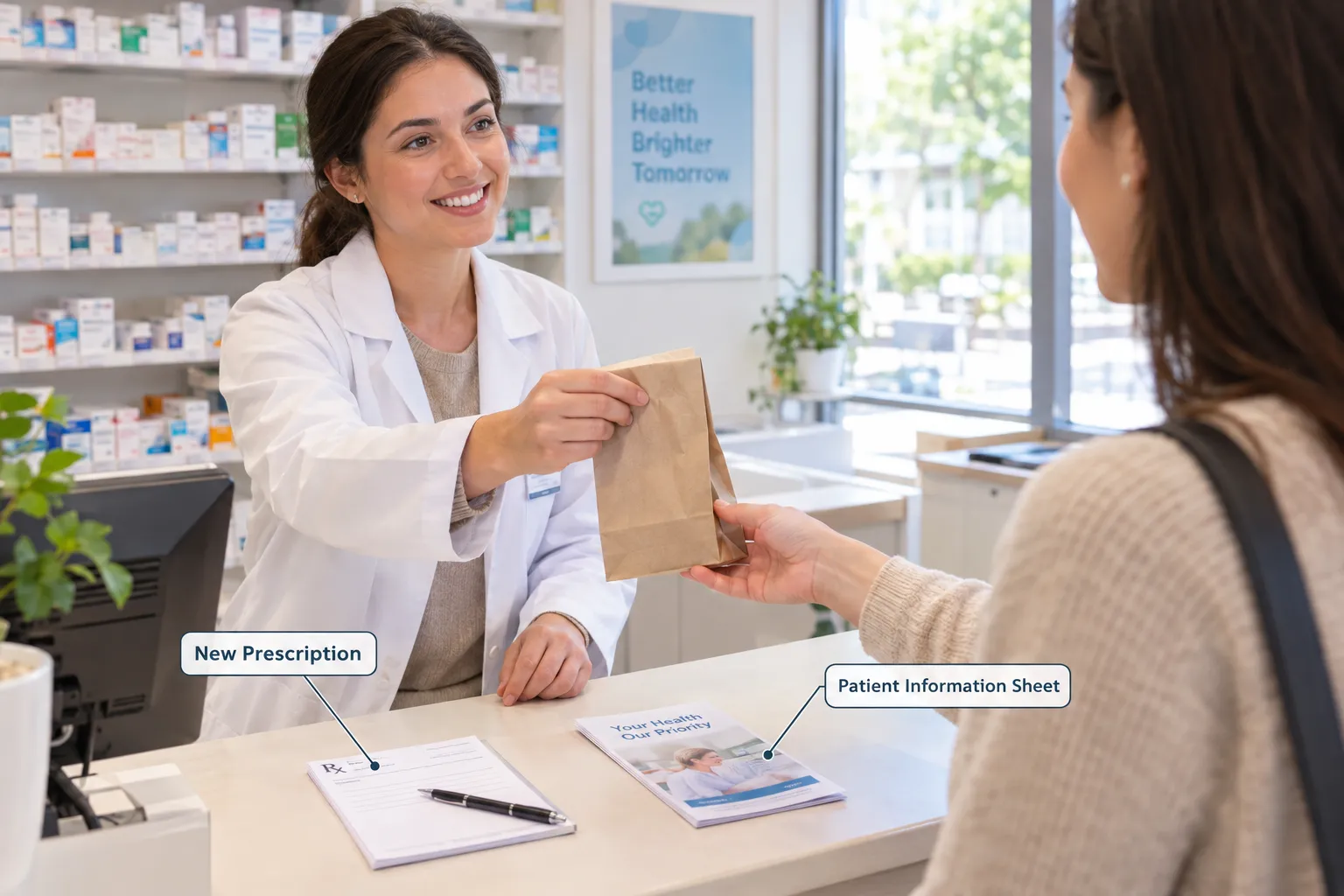
You get a prescription for disease treatment medication by seeing a licensed prescriber, such as a doctor, nurse practitioner, or in many regions now a specially trained pharmacist, who confirms the diagnosis and writes or sends the prescription electronically. Services like Pharmacy First in parts of the UK now let patients get prescription treatment for common infections directly from a pharmacy, without a GP visit first.
Typical routes to get a prescription:
- In-person GP or clinic visit for a new diagnosis
- Pharmacy First consultations for common conditions like earache, sore throat, or urinary infections
- Telehealth appointments for ongoing chronic disease management
- Repeat prescription requests through a GP surgery’s online system
Related questions patients often ask: can pharmacists treat eye infections or prescribe antibiotics directly? In many Pharmacy First programs, pharmacists can assess and treat certain eye infections and prescribe a short course of antibiotics for specific common conditions, prescribe medication appropriately, and refer you onward if symptoms don’t fit the standard pattern. This differs from over-the-counter medicine, which means products you can buy without any prescription, such as basic pain relievers or allergy tablets. For patients exploring newer prescription weight-loss and metabolic drugs through official channels, see our guide on getting a tirzepatide prescription online safely.
Helpful Resources and Links for Learning About Prescription Disease Treating Medications
Reliable resources make it easier to understand a new diagnosis and the prescription medicine that comes with it. A good medical dictionary, a trustworthy pharmacy website, and your own GP surgery’s patient portal are the three most useful starting points.
Helpful links and resources worth bookmarking:
- A medical dictionary or dictionary translator learning tool for unfamiliar drug names and medical words
- Your GP practice’s own site; for example, practices such as Studholme Medical Centre publish local prescription guidance, much like thousands of other surgeries that use shared platforms such as gpsurgery.net
- National pharmacy services such as Pharmacy First, where a typical pharmacy, shop, treat common conditions, prescribe medication approach means patients can get prescription help without waiting for a GP slot
- Drug approval histories, which let you check when a prescription drug was approved and what conditions it treats [1][10]
Learning the vocabulary around your own prescription, from “generic equivalent” to “maintenance therapy,” helps you ask better questions at every pharmacy visit over the years.
Sign Up Now (It’s Free) to Keep Learning About New Treatments
Signing up for a free health newsletter or patient portal account is one of the simplest ways to stay current on new prescription disease treating medications as they reach the market. Many clinics and drug information sites offer this at no cost, and it takes only a couple of minutes.
Whether you are a teacher, a caregiver, or a learner managing your own chronic disease, building medical vocabulary matters just as much as building any other skill. Learn learner subscriptions, vocabulary lists, dictionary, test prep tools, and join options, the kind popularized by sites like Vocabulary.com, can help you or someone you care for put a name to every word on a prescription label and move toward steady, systematic learning about treatment options. That kind of ongoing learning, paired with trusted resources from your pharmacy and prescriber, tends to produce better long-term disease management than looking things up only during a crisis.
Policy, Privacy, and How This Site Manages Your Preferences
This site, like most health information websites, uses cookies and similar technical storage access only to support the features you actually use, not to sell your information. Technical storage access is used exclusively for the necessary legitimate purpose of saving your preferences, such as font size, saved articles, or dark mode, and this storage access used in this way is never repurposed for advertising without separate consent.
A few practical notes on policy and privacy:
- You can manage consent for cookies at any time through the preferences panel on this page.
- Storage access is only triggered when requested by subscriber or user account settings, for a specific prescriptions purpose like saving your reading list.
- Our content policy was last reviewed on 18th December 2024 and is updated as prescribing guidance changes.
- Contact details for questions about this policy are available in the About and Contact sections of this website.
None of this collection affects the medical information itself; it only supports the website experience.
FAQ
What should you do if your client experiences a mild side effect from medication?
Document the symptom, its severity, and when it started, then contact the prescriber or pharmacist rather than stopping the medication yourself. Mild side effects like slight nausea or drowsiness often improve with a dose or timing adjustment. Only stop immediately and seek urgent care if the reaction becomes severe, such as swelling or breathing difficulty.
Which heart medications can cause nausea?
Several heart medications can cause nausea, including beta-blockers, ACE inhibitors like lisinopril, digoxin, and some statins taken for cholesterol alongside heart disease. Nausea often eases after the first few weeks or when the dose is taken with food. Persistent or severe nausea should be reported to a prescriber promptly.
What are the effects of different types of drugs on the body?
Stimulants speed up heart rate and alertness, depressants slow brain and body activity, analgesics block pain signals, and antibiotics kill or stop bacterial growth. Prescription disease medications generally target a specific process, like blood sugar or inflammation, while affecting other body systems less directly, which is why side effects still occur.
What to do if medicine gives you diarrhea?
Stay hydrated, eat bland food, and take the medication with food if your pharmacist confirms that’s safe. For antibiotics, do not stop the course early without medical advice, since finishing it matters for treating the infection. Contact your prescriber if diarrhea is severe, bloody, or lasts more than two days.
Conclusion: Taking Charge of Your Prescription Disease Treating Medications
Prescription disease treating medications only work as well as the plan behind them. The science keeps moving, with dozens of new approvals in 2026 covering everything from rare genetic conditions to common diabetes and heart disease [6][3], but the basics of safe use haven’t changed: know what you’re taking, why, and what to watch for.
Start with three simple steps. First, ask your pharmacist or prescriber to explain your prescription in plain words, including how it works and how long it should take to help. Second, never stop or change a dose without checking first, especially for heart, diabetes, seizure, or psychiatric medications. Third, use trustworthy resources, from your GP surgery’s own site to a solid medical dictionary, to keep learning about your condition over the years rather than only during an appointment.
Managing chronic disease is rarely about one perfect drug. It’s about steady follow-up, honest conversations about side effects, and resources you actually use. That combination, more than any single prescription, is what keeps treatment working for the long run.
References
[1] Index – https://www.accessdata.fda.gov/scripts/cder/daf/index.cfm?event=reportsSearch.process [2] Whats New Related Drugs – https://www.fda.gov/drugs/news-events-human-drugs/whats-new-related-drugs [3] Notable Approvals Drugs – https://www.fda.gov/drugs/news-events-human-drugs/notable-approvals-drugs [4] Oncology Cancerhematologic Malignancies Approval Notifications – https://www.fda.gov/drugs/resources-information-approved-drugs/oncology-cancerhematologic-malignancies-approval-notifications?randparam=906202 [5] Oncology Cancerhematologic Malignancies Approval Notifications – https://www.fda.gov/drugs/resources-information-approved-drugs/oncology-cancerhematologic-malignancies-approval-notifications?randparam=352843 [6] Novel Drug Approvals 2026 – https://www.fda.gov/drugs/novel-drug-approvals-fda/novel-drug-approvals-2026 [7] Us Food And Drug Administration Fda – https://www.ons.org/publications-research/voice/topics/us-food-and-drug-administration-fda [8] Healthcare Pharmaceuticals – https://www.reuters.com/business/healthcare-pharmaceuticals/ [9] Biopharma – https://www.reuters.com/business/healthcare-pharmaceuticals/biopharma/ [10] History – https://www.drugs.com/history/ [11] Whats New Related Drugs – https://www.fda.gov/drugs/news-events-human-drugs/whats-new-related-drugs [12] Novel Drug Approvals 2026 – https://www.fda.gov/drugs/novel-drug-approvals-fda/novel-drug-approvals-2026