Cheapest GLP-1 Without Insurance Review – 7 Affordable Options Compared
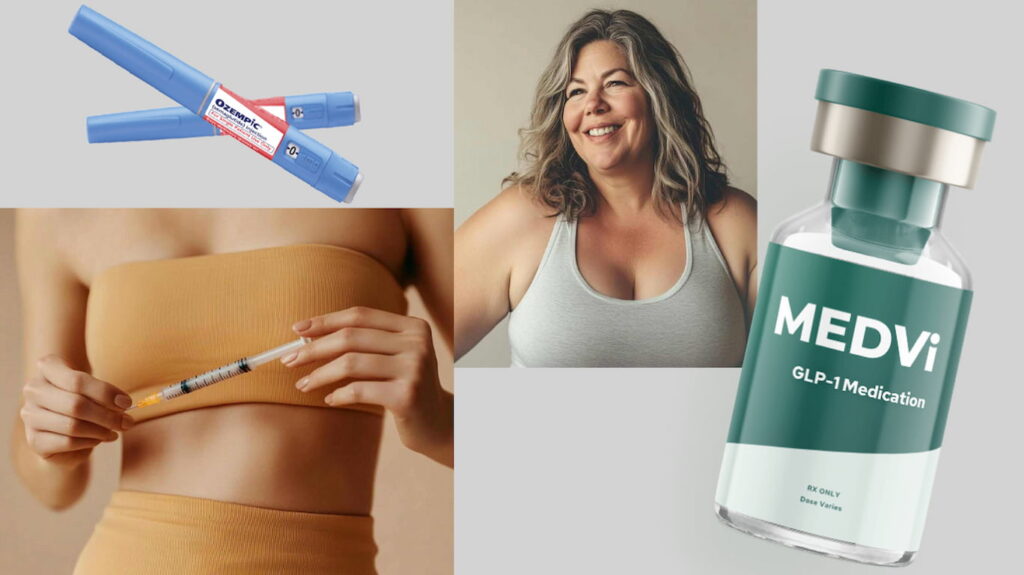
Struggling to afford GLP-1 medications like Ozempic, Wegovy, or Mounjaro without insurance coverage? You’re not alone.
With list prices exceeding $1,300 monthly and insurance denials becoming increasingly common, millions are searching for affordable alternatives.
This comprehensive review analyzes the 7 cheapest glp-1 without insurance options available without insurance, comparing real out-of-pocket costs, manufacturer coupons, patient assistance programs, and legitimate alternatives.
We’ll navigate the complex landscape of GLP-1 affordability, separate genuine savings opportunities from misleading claims, and provide actionable strategies to access these life-changing medications at prices you can actually afford.
Whether you need weight loss support, diabetes management, or metabolic health improvement, this guide reveals how to obtain GLP-1 therapy without breaking the bank.
What are the 7 Cheap Weight Loss Injections in 2026?
According to current market data, the following injections offer the lowest out-of-pocket costs for cash-paying patients:
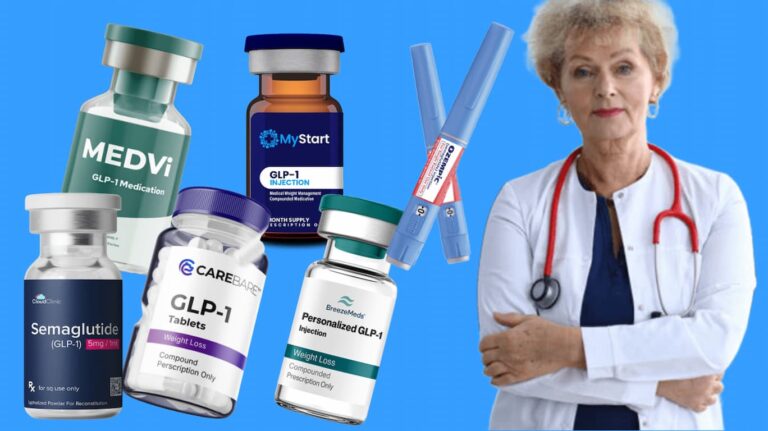
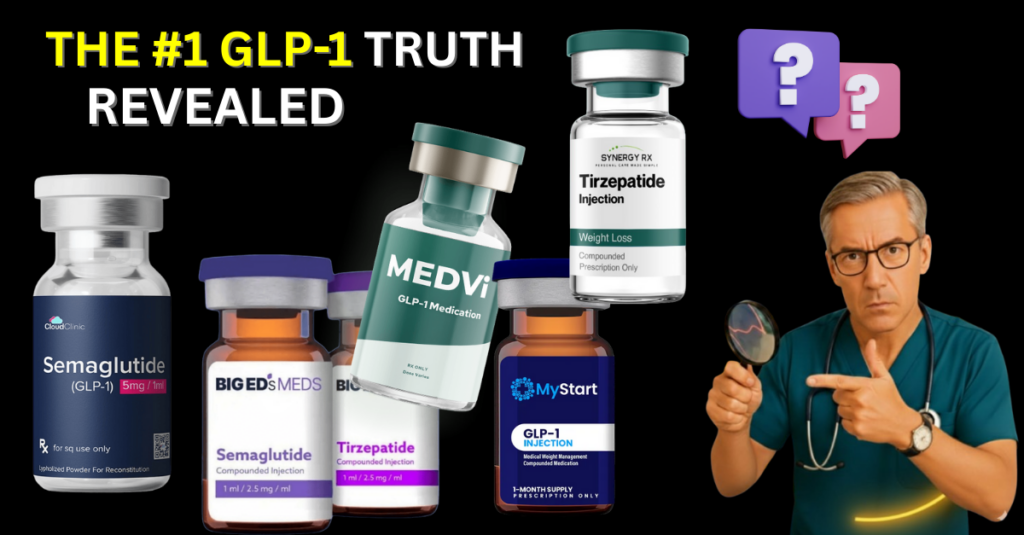
- Compounded Semaglutide: Starting as low as $149/month via telehealth. [🥇 Best Overall: MyStart GLP-1]
- Generic Liraglutide: The first major generic GLP-1, now averaging $299/month. [🥇 #2 Rating : MyStart GLP-1]
- Wegovy (Cash-Pay Rate): Newly adjusted 2026 manufacturer pricing at $349/month. [🥈 Runner-Up: MEDVi GLP-]
- Zepbound (Single-Dose Vials): Eli Lilly’s “budget” vial option at $349/month. 🥉 Best for Fast Appetite Reduction: DirectMeds GLP1
- Compounded Tirzepatide: Dual-action potency for approximately $249–$399/month. [#5 Rating: Synergy RX]
- Victoza: A legacy daily injection often available for under $300 with coupons.
- Trulicity: A weekly option frequently discounted to $350 for non-covered patients. [#7 Rating: CareBare RX ].
Why You’ve Been Overpaying (And How to Stop)
The biggest pain point isn’t the medication itself—it’s the “list price” vs. the “real price.” In 2026, nobody should be paying four figures for a GLP-1.
Whether you are looking for the raw power of a dual-agonist like Tirzepatide or the reliable history of Semaglutide, there is a way to bypass the $1,000 barrier.
In this guide, we break down exactly where to find these 7 cheap weight loss injections with proven excellent result, which telehealth providers are legitimate, and how to use the new 2026 “Vial Programs” to save 70% compared to the traditional auto-injector pens.
Beyond the Big Brands: 7 ‘Hidden’ GLP-1 Options That Save You Hundreds Monthly Without Insurance.
Weight-Loss Specialists’ 7 Top Picks Cheapest GLP-1 Without Insurance
The 2026 Insider Guide: 7 Expert-Vetted GLP-1 Alternatives That Don’t Require Insurance Coverage.
🥇 Best Overall: MyStart GLP-1 — Excellent for consistent weekly weight-loss and appetite control, Access to U.S. based doctors 24/7 and No Insurance required. No Hidden Fees.
🥈 Runner-Up: MEDVi GLP-1 — The Most Potent, Fast-Acting GLP-1 Program for Rapid Weight Loss.
🥉 Best for Fast Appetite Reduction: DirectMeds GLP1 — Outstanding for cutting cravings early
💥 Best Value: BreezeMeds GLP-1 — Affordable, effective, and easy to start
Below is the 2026 list, starting with the #1 best overall option.
What Is a GLP-1 Medication?
GLP-1 (Glucagon-Like Peptide-1) medications are prescription drugs that work by:
- Reducing appetite
- Slowing digestion
- Increasing feelings of fullness
- Supporting blood sugar control
They were originally developed for type 2 diabetes but are now widely prescribed for weight loss due to their powerful appetite-regulating effects.
Popular GLP-1 drugs include:
- Semaglutide (Wegovy, Ozempic, Rybelsus)
- Tirzepatide (Zepbound, Mounjaro)
- Dulaglutide (Trulicity)
Stop Waiting for Insurance Approval: We’ve have listed 7 Affordable GLP-1 Options You Can Start Right Now
Why Are GLP-1 Drugs So Expensive Without Insurance?
Without insurance coverage, GLP-1 medications are priced at full retail cost. This includes:
- Brand-name manufacturing
- Cold-chain shipping
- Patent protection
- Pharmacy markups
Because most insurers still do not cover weight-loss drugs, many patients are forced to pay out of pocket — which is why lower-cost alternatives and direct-pay programs have become so popular.
Weight-Loss Specialists’ 7 Top Picks Cheapest GLP-1 Without Insurance
The 2026 Insider Guide: 7 Expert-Vetted GLP-1 Alternatives That Don’t Require Insurance Coverage.
🥇 Best Overall: DirectMeds GLP1 — Excellent for consistent weekly weight-loss and appetite control, Access to U.S. based doctors 24/7 and No Insurance required. No Hidden Fees.
Excellent for Fast Appetite Reduction: Outstanding for cutting cravings early.
🥈 Runner-Up: MyStart GLP-1 — The Most Potent, Fast-Acting GLP-1 Program for Rapid Weight Loss.
🥉 Best for Fast Appetite Reduction: MEDVi GLP-1 — Outstanding for cutting cravings early.
💥 Best Value: BreezeMeds GLP-1 — Affordable, effective, and easy to start
Below is the 2026 list, starting with the #1 best overall option.
What Is a GLP-1 Medication?
GLP-1 (Glucagon-Like Peptide-1) medications are prescription drugs that work by:
- Reducing appetite
- Slowing digestion
- Increasing feelings of fullness
- Supporting blood sugar control
They were originally developed for type 2 diabetes but are now widely prescribed for weight loss due to their powerful appetite-regulating effects.
Popular GLP-1 drugs include:
- Semaglutide (Wegovy, Ozempic, Rybelsus)
- Tirzepatide (Zepbound, Mounjaro)
- Dulaglutide (Trulicity)
Stop Waiting for Insurance Approval: We’ve have listed 7 Affordable GLP-1 Options You Can Start Right Now
Why Are GLP-1 Drugs So Expensive Without Insurance?
Without insurance coverage, GLP-1 medications are priced at full retail cost. This includes:
- Brand-name manufacturing
- Cold-chain shipping
- Patent protection
- Pharmacy markups
Because most insurers still do not cover weight-loss drugs, many patients are forced to pay out of pocket — which is why lower-cost alternatives and direct-pay programs have become so popular.
The 7 Cheapest GLP-1 Options Without Insurance (Ranked)
1. 🥇 Best Overall: Zepbound via Direct-Pay Programs (Triple-Action Option)
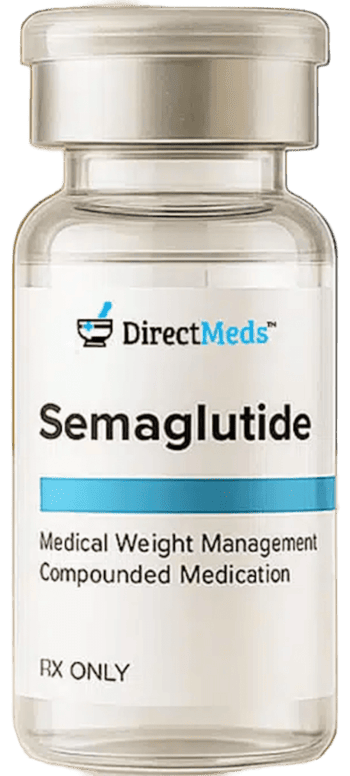
- Rating: ⭐️⭐️⭐️⭐️⭐️ – (9.9/10) Excellent
DirectMeds GLP1 provides a budget-friendly alternative to Ozempic/Wegovy while maintaining strong appetite control and weekly fat loss results. Everything is included—from telehealth visits to medication shipping—making it ideal for people wanting premium results at the lowest cost.
DirectMeds GLP1 stands out for its high-level medical monitoring, ideal for users who want the most detailed guidance.
Best for Fast Appetite Reduction: Outstanding for cutting cravings early.
Access to U.S. based doctors 24/7 and No Insurance required. No Hidden Fees.
Typical cost: $149–$499/month
Zepbound is FDA-approved specifically for weight loss. While retail prices exceed $1,000, some manufacturer-supported direct-pay programs significantly reduce the cost for uninsured patients.
Pros
- FDA-approved for weight loss
- Predictable dosing
- Strong clinical data
Cons
- Still more expensive than compounded options
- Availability depends on program eligibility.
2. 🥈 Runner-Up: Compounded Tirzepatide (Dual-Action Option)

- Rating: ⭐️⭐️⭐️⭐️⭐️ – (9.9/10) Excellent
MyStart GLP-1 offers a smooth, beginner-friendly GLP-1 program using FDA-backed medications and simple weekly injections or tablets. Great for people wanting easy onboarding, rapid fat loss, and physician oversight—without the high price of traditional clinics.
MyStart GLP-1 is ideal for anyone who struggles with intense cravings, overeating, or emotional eating. Their GLP-1 program focuses on rapid appetite suppression using medically guided dosages. Best for Maximum Fat Loss and Metabolic Efficiency.
Typical cost: $199–$400/month
Excellent for consistent weekly weight-loss and appetite control, Access to U.S. based doctors 24/7 and No Insurance required. No Hidden Fees.
Compounded tirzepatide mimics the active ingredient in Zepbound and Mounjaro and targets both GLP-1 and GIP receptors, which may enhance appetite control.
Pros
- Strong appetite suppression
- Lower cost than brand Zepbound
- No insurance required
- Prescription to GLP-1 (if qualified).
- No insurance. No waitlist. No hidden fees.
- Lose up to 20% of your body weight*
- Access to U.S. based doctors 24/7
Cons
- Not FDA-approved as a brand
- Availability varies
Best for: People who want a more advanced GLP-1 approach at a reduced price.
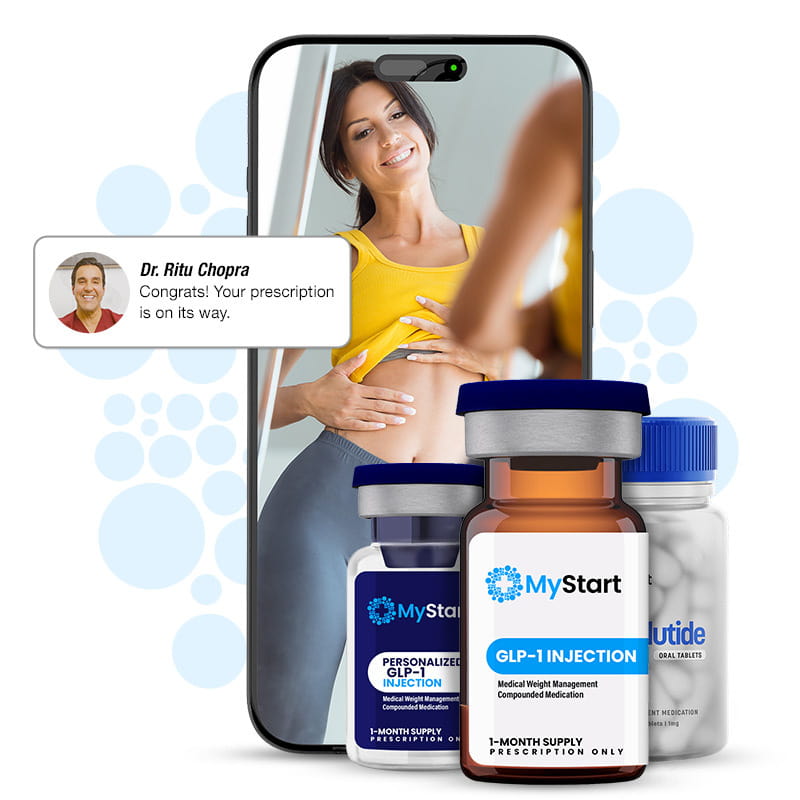
Thousands of people are losing weight with MyStart GLP-1 medications. People like you are transforming their lives, feeling better and looking their best with the help of GLP-1 (Dual-Action Option) medications.
3. 🥉Second Runner-Up: Compounded Semaglutide
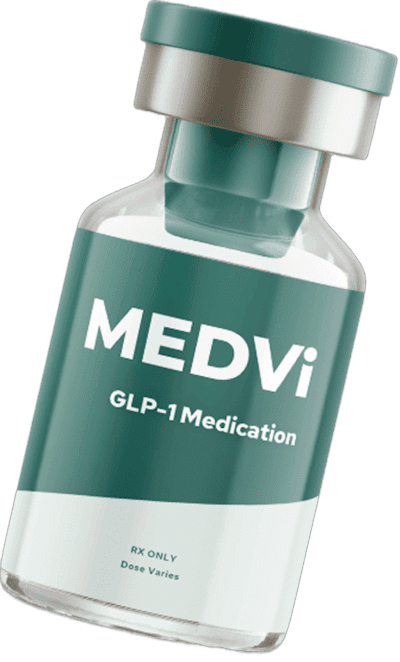
- Rating: ⭐️⭐️⭐️⭐️⭐️ – (9.9/10) Excellent
MEDVi GLP-1 delivers fast, medical-grade weight loss with doctor-guided dosing and personalized coaching. Patients report losing 1–3 lbs per week with steady appetite control and reduced cravings. Qualify in minutes and access 600+ U.S. doctors with no membership fees.
MEDVi GLP-1 is the most balanced, medically supervised GLP-1 program available today. It combines FDA-approved GLP-1 medications in both injection and oral tablet options, with direct telehealth physician oversight.
Typical cost: $99–$399/month
Compounded semaglutide is currently the lowest-cost GLP-1 option available without insurance.
It contains the same active ingredient used in Wegovy and Ozempic but is prepared by licensed compounding pharmacies instead of brand manufacturers.
Pros
- Lowest monthly cost
- No insurance required
- Flexible dosing
- Only order fron the official website
Cons
- Quality depends on the pharmacy
Best for: Budget-conscious users who want GLP-1 support at the lowest possible cost.
4. Wegovy with Cash-Pay Discounts
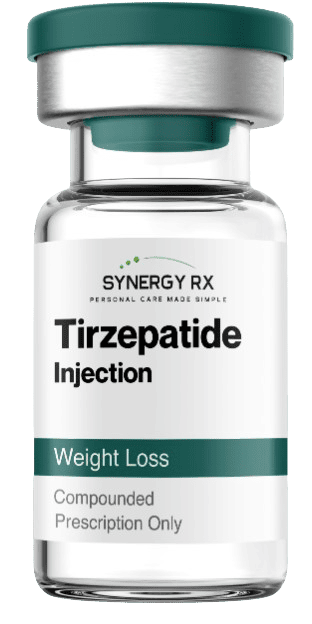
- Rating: ⭐️⭐️⭐️⭐️⭐️ – (9.9/10) Excellent
SYNERGY RX GLP 1 GLP-1 is known for super-fast qualification, often under 3 minutes. Their no-hassle service provides access to licensed U.S. doctors and speedy delivery of GLP-1 injections or oral semaglutide. Perfect for anyone who wants to start losing weight immediately.
SYNERGY RX GLP 1 offers some of the best pricing for GLP-1 medication while maintaining quality standards.
Typical cost: $119–$499/month (discounted)
Wegovy-Synergy rx glp 1 is one of the most widely prescribed GLP-1 drugs for weight loss. Manufacturer discounts and cash-pay options can reduce the price for uninsured users.
Pros
- FDA-approved
- Strong long-term data
- Widely prescribed
Cons
- Full retail price is very high
- Discount availability may change
5. Ozempic (Cash Price)
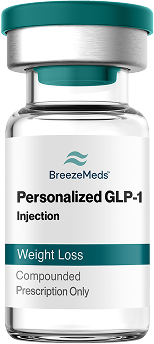
- Rating: ⭐️⭐️⭐️⭐️⭐️ – (9.5/10) Excellent
BreezeMeds focuses on simple onboarding and gentle dosing, making it great for beginners or people sensitive to side effects. Backed by a supportive care team, it helps users experience steady weekly fat loss while building long-term healthy habits.
BreezeMeds GLP-1 is designed for beginners who want a safe, simple way to begin their GLP-1 journey.
Typical cost: $200–$1,050/month
Ozempic is FDA-approved for diabetes but is commonly prescribed off-label for weight management.
Pros
- Trusted brand
- Same active ingredient as Wegovy
- Consistent manufacturing
Cons
- Expensive without insurance
- Not approved specifically for weight loss
6. Rybelsus (Oral Semaglutide)
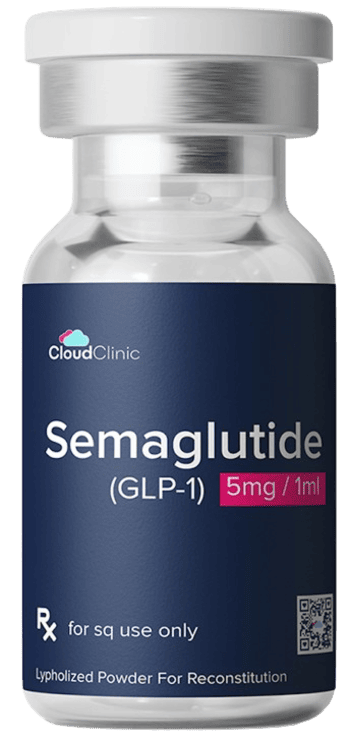
- Rating: ⭐️⭐️⭐️⭐️⭐️ – (9.0/10) Excellent
CARE BARE RX GLP-1 offers a fully remote, doctor-guided GLP-1 injection program that makes weight loss simple and accessible. With quick online qualification and fast shipping, users can start their fat-loss journey within days — no clinic visits required. Ideal for busy people who want safe, effective weight loss at home.
CARE BARE RX uses a unique transdermal GLP-1 delivery system — ideal for people who dislike needles or pills.
Typical cost: $900–$950/month
Rybelsus is the oral tablet version of semaglutide, making it appealing to those who prefer pills over injections.
Pros
- No injections
- FDA-approved
- Consistent dosing
Cons
- Less potent for weight loss
- High cash price
7. Trulicity (Lower-Cost GLP-1 Alternative)
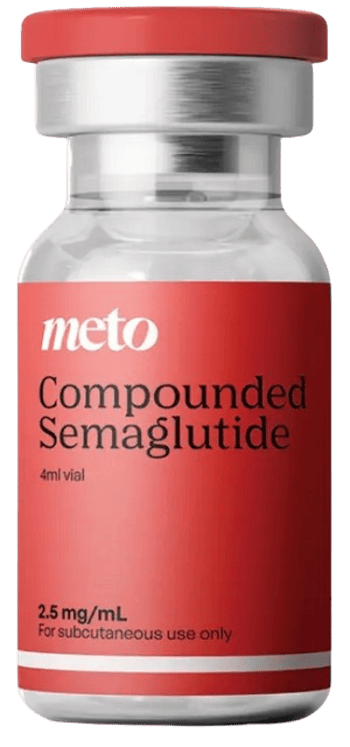
- Rating: ⭐️⭐️⭐️⭐️⭐️ – (8.5/10) Excellent
Meto GLP-1 delivers trusted GLP-1 injections in a patient-friendly, value-focused package. Designed for those who want consistent, gradual weight loss and appetite control without aggressive dosing. Great for individuals looking for “steady and safe” results over time rather than rapid changes.
Typical cost: $850–$990/month
Trulicity is another GLP-1 receptor agonist primarily approved for diabetes but sometimes used off-label.
Pros
- Once-weekly injection
- Long track record
- Sometimes cheaper than Wegovy
Cons
- Less effective for weight loss
- Still expensive without insurance

Comparison Table: Cheapest GLP-1 Without Insurance
| Option | Monthly Cost | FDA-Approved | Best For |
|---|---|---|---|
| Compounded Semaglutide | $99–$399 | No | Lowest cost |
| Compounded Tirzepatide | $300–$600 | No | Strong appetite control |
| Zepbound (Direct-Pay) | $349–$499 | Yes | Approved weight loss |
| Wegovy (Discounted) | $349–$499 | Yes | Proven results |
| Ozempic | $900–$1,050 | Yes | Brand trust |
| Rybelsus | $900–$950 | Yes | Oral option |
| Trulicity | $850–$990 | Yes | GLP-1 alternative |
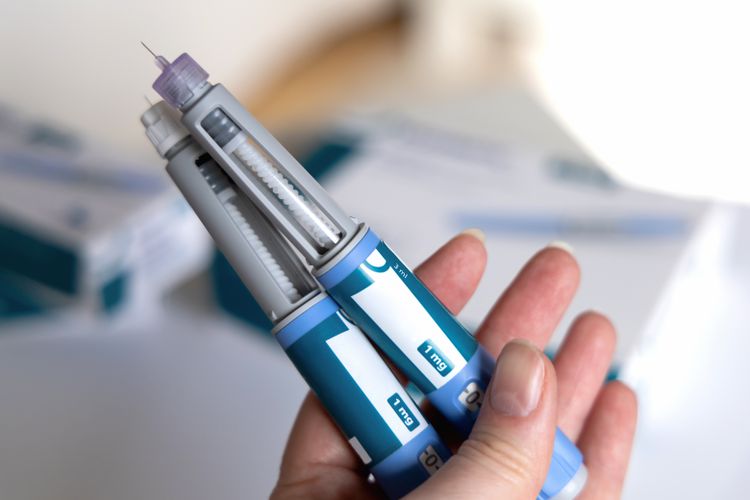
✅ CHEAPEST GLP-1 MEDICATIONS COMPARISON TABLE
| Medication | Primary Use | Estimated Monthly Cost (Without Insurance) | Best For |
|---|---|---|---|
| Liraglutide (Saxenda) | Weight Loss | $1,350+ ($450+ with coupons) | Those with BMI ≥30 or ≥27 with comorbidities |
| Semaglutide (Ozempic) | Type 2 Diabetes | $935+ ($25-300 with savings card) | Diabetes patients needing weight loss benefit |
| Semaglutide (Wegovy) | Weight Loss | $1,350+ ($500+ with coupons) | FDA-approved weight loss specifically |
| Dulaglutide (Trulicity) | Type 2 Diabetes | $930+ ($25 with savings card) | Consistent once-weekly dosing preference |
| Tirzepatide (Mounjaro) | Type 2 Diabetes | $1,023+ ($25 with savings card) | Maximum efficacy for diabetes + weight loss |
| Exenatide (Bydureon) | Type 2 Diabetes | $850+ ($10 with savings card) | Those preferring less frequent injection |
| Compounded Semaglutide | Weight Loss | $250-$500 monthly | Cost-conscious patients with provider approval |
Note: Prices are estimates as of (%currentyear%) and vary by pharmacy, location, and eligibility for savings programs. Always verify current pricing.
What Are GLP-1 Medications and Why Are They So Expensive?
GLP-1 (Glucagon-Like Peptide-1) receptor agonists are a class of medications that mimic the natural GLP-1 hormone, which regulates blood sugar, slows stomach emptying, and promotes feelings of fullness.
Originally developed for type 2 diabetes, their significant weight loss benefits have made them highly sought-after for obesity treatment, creating unprecedented demand and challenging affordability.
The Cost Crisis Explained: Several factors drive GLP-1 medication costs:
- Patent Protection: Most are under patent until 2030+, preventing generic competition
- Manufacturing Complexity: Biologic medications require sophisticated production
- Research & Development Costs: Billions invested in clinical trials (especially for weight loss indications)
- Insurance Coverage Limitations: Many plans exclude weight loss medications or impose strict prior authorization requirements
- High Demand: Social media visibility and proven efficacy have created supply/demand imbalances
Critical Distinction: FDA-approved medications (like those listed above) undergo rigorous testing for safety, efficacy, and quality. (U.S. Food and Drug Administration)
“Compounded” versions are mixed by specialized pharmacies and may have different formulations, purity standards, and regulatory oversight—a distinction crucial for informed decision-making.
7 Cheapest GLP-1 Options Without Insurance: Detailed Comparison
1. Compounded Semaglutide ($250-$500/month)
Overview: Not an FDA-approved product but a pharmacy-compounded alternative using semaglutide base.
- How It Works: Licensed compounding pharmacies prepare (Mayo Clinic) semaglutide formulations, often with added B12 or other compounds
- Cost Factors: Varies by pharmacy, dosage, and added ingredients; typically 60-80% cheaper than branded
- Considerations: Quality control varies; not subject to same FDA oversight; requires prescription from provider comfortable with compounding
- Best For: Cost-sensitive patients with access to reputable compounding pharmacies
2. Exenatide (Bydureon BCise) ($850+/month)
Overview: One of the older GLP-1 medications with established safety profile.
- Savings Program: Offers a savings card reducing cost to as low as $10/month for eligible commercially insured patients
- Administration: Once-weekly autoinjector (more convenient than twice-daily Byetta)
- Efficacy: More modest weight loss compared to newer agents but proven cardiovascular benefits
- Best For: Those prioritizing cardiovascular risk reduction and preferring less frequent injections
3. Dulaglutide (Trulicity) ($930+/month)
Overview: Once-weekly injectable with strong cardiovascular outcome data.
- Manufacturer Savings: Trulicity Savings Card offers $25/month for eligible commercially insured patients
- Patient Assistance: Lilly Cares Foundation program for uninsured, low-income patients
- Weight Loss: Moderate (~5% body weight) but excellent for A1C reduction
- Best For: Diabetes management with modest weight loss needs and cardiovascular concerns
4. Semaglutide (Ozempic) ($935+/month)
Overview: The “original” semaglutide formulation FDA-approved for diabetes.
- NovoCare Program: Savings card offers $25/month for 24 months for eligible patients
- Access Options: Includes patient assistance for qualifying low-income individuals
- Important Note: While prescribed off-label for weight loss, insurance may deny without diabetes diagnosis
- Best For: Patients with type 2 diabetes wanting significant weight loss benefits
5. Tirzepatide (Mounjaro) ($1,023+/month)
Overview: Dual GIP/GLP-1 receptor agonist with superior efficacy for both glucose and weight.
- Savings Card: Offers $25/month for eligible commercially insured patients
- Efficacy Leader: Highest weight loss percentages in clinical trials (15-22% body weight)
- Supply Issues: Periodic shortages due to exceptional demand
- Best For: Those needing maximum efficacy who can access the savings program
6. Liraglutide (Saxenda) ($1,350+/month)
Overview: Daily injectable specifically FDA-approved for weight loss.
- Savings Program: Saxenda Savings Card reduces cost for eligible patients
- Daily vs Weekly: Less convenient than weekly injections but effective
- Competition: Being phased out in favor of Wegovy but still available
- Best For: Those wanting FDA-approved weight loss medication when weekly options unavailable
7. Semaglutide (Wegovy) ($1,350+/month)
Overview: Higher-dose semaglutide specifically FDA-approved for chronic weight management.
- Wegovy Savings Program: Can reduce cost significantly for eligible patients
- Supply Challenges: Ongoing shortages affecting availability
- Weight Loss Gold Standard: 15% average body weight loss in trials
- Best For: Those with BMI ≥30 or ≥27 with comorbidities wanting most effective FDA-approved option
💡 Key Insight: The “cheapest” option depends on your diagnosis, insurance status, location, and provider relationships. Compounded semaglutide offers the lowest cash price but differs from FDA-approved products. For FDA-approved medications, manufacturer savings programs are essential—reducing $1,000+ monthly costs to $25-$500 for those who qualify.
Manufacturer Savings Programs & Patient Assistance
How Savings Programs Actually Work
Most manufacturers offer savings cards that reduce but don’t eliminate high costs for commercially insured patients. Important realities:
- Eligibility Requirements: Typically exclude Medicare, Medicaid, and government insurance
- Duration Limitations: Often 12-24 months maximum
- Insurance Coordination: Require some insurance coverage (not for completely uninsured)
- Income Caps: Some programs have income limitations
- Pharmacy Specific: Only work at participating pharmacies
Manufacturer Patient Assistance Programs (PAPs)
For truly uninsured, low-income patients:
- Novo Nordisk (Ozempic, Wegovy, Saxenda): Novo Nordisk Patient Assistance Program
- Eli Lilly (Mounjaro, Trulicity): Lilly Cares Foundation
- AstraZeneca (Bydureon): AZ&Me Prescription Savings Program
- Requirements: Must be uninsured, meet income guidelines (typically <400% federal poverty level), and have prescribing provider participation
Pharmacy Discount Cards & Alternatives
- GoodRx, SingleCare, RxSaver: Can provide 10-70% discounts at retail pharmacies
- Mark Cuban Cost Plus Drug Company: Not currently stocking GLP-1s but worth monitoring
- Canadian/Mexican Pharmacies: Potential savings but importation legality and quality verification challenges
Compounded Semaglutide: Risks vs. Rewards
What Compounding Actually Means
Compounded semaglutide involves pharmacies creating formulations from semaglutide sodium or semaglutide base—different salts than FDA-approved products. These are not generic versions but custom preparations.
Potential Advantages:
- Cost: Typically $250-$500/month vs. $900-$1,350+
- Accessibility: May be available during branded product shortages
- Customization: Often combined with B12 or other ingredients
Significant Risks & Considerations:
- Quality Variability: Not subject to FDA batch testing or manufacturing standards
- Purity Concerns: 2023 FDA warnings about improper compounding practices
- Efficacy Differences: May have different absorption, stability, or effects
- Legal Status: FDA considers compounding of commercially available drugs “generally unlawful” with specific exceptions
- Insurance Coverage: Rarely covered by insurance
How to Safely Consider Compounded Options
- Verify Pharmacy Accreditation: Look for PCAB (Pharmacy Compounding Accreditation Board) certification
- Require Testing Documentation: Ask for certificates of analysis for purity and potency
- Consult Your Provider: Only use with healthcare provider who understands compounding
- Monitor Carefully: Watch for different side effects or efficacy patterns
- Know the Source: Ensure semaglutide is sourced from FDA-registered facilities
Strategies to Reduce GLP-1 Costs Without Insurance
Immediate Action Steps
- Always Check Manufacturer Programs First: Every FDA-approved GLP-1 has savings options
- Apply for Patient Assistance: If uninsured and low-income, manufacturer PAPs are best option
- Compare Pharmacy Prices: Use GoodRx to compare local pharmacy cash prices
- Consider Mail-Order: Often cheaper through insurance-mandated mail order (if you have some coverage)
- Ask About Sample Programs: Some providers have manufacturer-supplied samples
Longer-Term Strategies
- Advocate for Insurance Coverage: Appeal denials with provider support and clinical documentation
- Explore Clinical Trials: Research studies often provide medication at no cost
- Consider Step Therapy: Start with older, cheaper medications if appropriate
- Investigate Employer Appeals: Some employers will make exceptions to formularies
- Monitor Generic Timelines: Patents begin expiring late 2020s; plan accordingly
What to Avoid
- “Too Good to Be True” Online Pharmacies: Overseas or unverified sources risk counterfeit products
- Sharing Medications: Dangerous due to dosage individualization and medical supervision needs
- Stopping Abruptly: Can cause blood sugar spikes and weight regain
- Skipping Doses to Save: Reduces efficacy and may increase side effects when restarting

Pros and Cons Cheapest Glp-1 Without Insurance
| ✅ Pros of Affordable Options | ❌ Cons & Limitations |
|---|---|
| 1. Compounded versions offer 60-80% savings | 1. Compounded products lack FDA oversight and standardization |
| 2. Manufacturer programs reduce costs significantly for eligible patients | 2. Savings programs exclude Medicare/Medicaid patients |
| 3. Older GLP-1s (exenatide) more affordable with established safety | 3. Older agents offer less weight loss efficacy |
| 4. Patient assistance programs help truly uninsured, low-income individuals | 4. PAPs have strict income requirements and application processes |
| 5. Multiple options allow matching medication to budget and needs | 5. Supply shortages affect availability of most effective options |
| 6. Growing competition may drive future price reductions | 6. High demand maintains premium pricing for newest agents |
| 7. Telehealth options increasing access to prescribing providers | 7. Some telehealth services add substantial markup to medication costs |
Frequently Asked Questions (FAQ)
What is the absolute cheapest way to get semaglutide?
Compounded semaglutide from accredited pharmacies typically offers the lowest cash price at $250-$500 monthly. However, for FDA-approved Ozempic/Wegovy, manufacturer savings programs for eligible commercially insured patients can reduce costs to $25-$500/month.
Can I use GoodRx for GLP-1 medications?
Yes, GoodRx and similar discount cards can provide savings at retail pharmacies, typically 10-70% off cash prices. However, manufacturer savings programs often provide better discounts if you qualify. Always compare both options.
Are compounded GLP-1 medications safe?
Safety varies by pharmacy. PCAB-accredited compounding pharmacies following USP standards generally provide quality products, but they don’t undergo FDA pre-market approval or batch testing. There’s more variability than with FDA-approved products.
Why won’t Medicare cover weight loss medications?
Medicare Part D is prohibited by law from covering medications for weight loss alone (with few exceptions). The Treat and Reduce Obesity Act could change this, but currently, Medicare patients need type 2 diabetes diagnosis for coverage of GLP-1s with diabetes indications.
Can I get GLP-1 medications from Canada to save money?
Some Canadians pharmacies offer lower prices, but importation for personal use faces legal gray areas. More importantly, ensure any international pharmacy is licensed and provides genuine, properly stored medications. Many “Canadian” websites actually ship from other countries.
How can I qualify for manufacturer patient assistance?
Most require: 1) No prescription drug coverage, 2) U.S. residency, 3) Income below 400-500% of federal poverty level (approx. $58,000-$73,000 individual), and 4) Healthcare provider participation in the program.
Will GLP-1 prices ever come down?
Yes, but gradually. Patents begin expiring in late 2020s, enabling generic/biosimilar competition. Meanwhile, new competitors (like retatrutide) may increase competition. Current savings will primarily come from manufacturer programs, not market price reductions.
Final Verdict & Recommendations
After analyzing all available options, pricing structures, and access pathways, here are our evidence-based recommendations:
For TYPE 2 DIABETES Patients Without Insurance:
- First Try: Manufacturer savings programs (Ozempic $25/month if eligible)
- Second Option: Patient assistance programs if low-income and uninsured
- Third Option: Older GLP-1s with better savings (exenatide, dulaglutide)
- Last Resort: Compounded semaglutide with accredited pharmacy
For WEIGHT LOSS Patients Without Insurance:
- First Try: Wegovy savings program if BMI ≥30 or ≥27 with comorbidity
- Second Option: Compounded semaglutide with reputable pharmacy
- Third Option: Consider older agents with weight loss benefit (liraglutide)
- Important: Many insurers won’t cover weight loss medications; prepare for self-pay
Priority Action Steps:
- Verify Diagnosis: Diabetes diagnosis opens more coverage/savings options
- Apply for Programs: Don’t assume ineligibility—apply for all relevant savings/assistance
- Consult Transparent Provider: Find healthcare provider familiar with affordability strategies
- Plan Long-Term: These are chronic medications; consider sustainability of chosen option
- Monitor Legislation: Policy changes could improve Medicare coverage and affordability (PMC)
🏆 Cost-Effectiveness Ranking:

1. Compounded Semaglutide (if using accredited pharmacy)
2. Manufacturer Savings Programs (for eligible patients)
3. Older GLP-1 Agents (exenatide, dulaglutide)
4. Patient Assistance Programs (for low-income uninsured)
5. Retail Cash Price (least affordable)
Bottom Line: Affordable GLP-1 access without insurance requires proactive navigation of complex systems. While list prices are shockingly high ($850-$1,350+), actual out-of-pocket costs can be reduced to $250-$500 monthly through manufacturer programs or compounding.
The “cheapest” option depends entirely on your specific circumstances: diagnosis, income, location, and risk tolerance regarding compounded medications.
Start with manufacturer programs, explore all assistance options, and only consider compounding with thorough due diligence. With strategic approach and persistence, GLP-1 therapy can be accessible even without insurance coverage.
Medical & Financial Disclaimer: This information is for educational purposes only and not financial or medical advice. Medication costs change frequently. Always verify current prices and program eligibility directly with manufacturers and pharmacies. Consult healthcare providers for medical decisions. Never change medications or sources without medical supervision. Compounded medications carry different risks than FDA-approved products. Individual financial circumstances vary—consider consulting a financial advisor for significant medical expenses.
This independent review contains affiliate links. We may earn a commission if you purchase through our links at no extra cost to you. This supports our ongoing research and independent analysis.
Reference
- Harvard Gazette – Is cost curbing use of weight-loss drugs?
Discusses how high costs are preventing many patients from filling GLP-1 prescriptions and the affordability barrier to access. (Harvard Gazette) - National Center for Biotechnology Information (PMC) – Affordable access to GLP-1 obesity medications
A research article on strategies and barriers related to cost and access for GLP-1 therapies across health plans. (PMC) - UChicago Medicine – Are GLP-1 drugs worth their current cost?
Analysis of GLP-1 drug pricing and cost-effectiveness from a medical institution’s perspective. (uchicagomedicine.org) - Mayo Clinic – Diabetes drugs and weight loss
Overview of GLP-1 agonists, how they work, and their role in weight management, including benefits and considerations. (Mayo Clinic) - FDA – FDA’s concerns with unapproved GLP-1 drugs used for weight loss
A safety communication from the FDA warning about unapproved GLP-1 products sold improperly—a critical link for safety context. (U.S. Food and Drug Administration)

With over 13 years of experience in holistic health blogging, I aim to help you navigate your wellness journey with honest insights, expert-backed advice, and a sprinkle of real-world practicality.
Certified Wellness Writer | Herbal Nutrition Advocate | Wellness Research Enthusiast
- 4 Most Affordable GLP-1 Options Without Insurance (Starting at $149) – 2026 Buyer’s Guide - February 22, 2026
- Garaherb Review: Does This Natural Formula Really Restore Male Vitality? - February 18, 2026
- Cheapest GLP-1 Without Insurance Review – 7 Affordable Options Compared - January 6, 2026