Does BioDentex Work
Last updated: July 25, 2026
Quick Answer
BioDentex is an oral health supplement marketed to support gum health, freshen breath, and maintain a balanced oral microbiome. Whether it works depends largely on which specific claims you’re evaluating and the ingredients backing them. Some components in BioDentex have credible research support for oral health benefits, but the product as a whole has not been tested in independent clinical trials, so results vary from person to person.
Key Takeaways
- BioDentex is a dietary supplement, not a drug or dental treatment, and it is not FDA-approved to treat any oral disease.
- The formula targets the oral microbiome, gum inflammation, and bad breath using a blend of probiotics, plant extracts, and vitamins.
- Several individual ingredients (such as Lactobacillus reuteri and peppermint) have published research supporting oral health benefits.
- Most user reviews report noticeable improvements in breath freshness and gum comfort within 4 to 8 weeks of consistent use.
- BioDentex is generally considered safe for healthy adults, but people with specific medical conditions or those taking prescription medications should consult a doctor first.
- It is not a replacement for brushing, flossing, or professional dental care.
- Results are modest and gradual; anyone expecting dramatic whitening or reversal of advanced gum disease will likely be disappointed.
- The product is sold primarily through the official website and a few authorized online retailers.
What Is BioDentex and How Does It Work
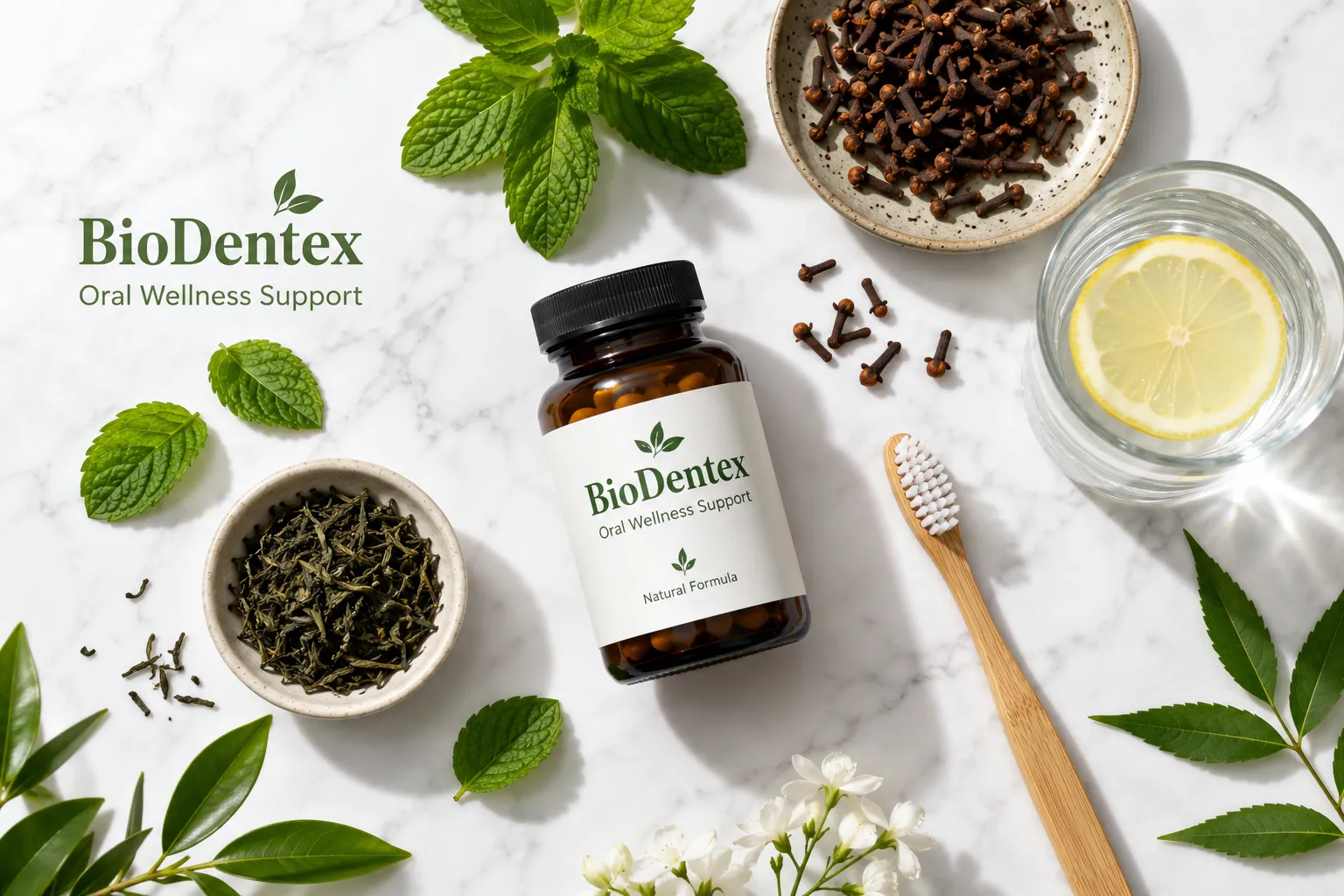
BioDentex is an oral health supplement formulated to support the balance of bacteria in the mouth, reduce gum inflammation, and combat the root causes of bad breath. It comes in a soft capsule or chewable tablet form (depending on the version), designed to dissolve in the mouth or be swallowed to deliver active compounds to the gum tissue and saliva.
The product’s core mechanism centers on the oral microbiome, which is the community of bacteria living in your mouth. When harmful bacteria dominate, the result is plaque buildup, gum irritation, bad breath, and eventually tooth decay. BioDentex claims to shift that balance by introducing beneficial probiotic strains while supplying plant-based antimicrobial compounds and vitamins that support gum tissue integrity.
Key mechanisms the formula targets:
- Replenishing beneficial oral bacteria to crowd out harmful strains
- Reducing inflammation in gum tissue through antioxidant-rich botanicals
- Strengthening enamel and connective tissue with targeted vitamins and minerals
- Neutralizing volatile sulfur compounds (VSCs), the primary cause of bad breath
For a broader look at how daily habits affect oral health, see our guide on how to have healthy gums and teeth and how to have better oral hygiene.
What Does the Scientific Research Say About BioDentex
The product itself has not been evaluated in peer-reviewed clinical trials, which is common for dietary supplements. However, several of its core ingredients have meaningful research behind them.
Lactobacillus reuteri: A 2014 systematic review published in the Journal of Clinical Periodontology found that oral probiotic supplementation with L. reuteri significantly reduced gingival inflammation and plaque scores compared to placebo groups. This is one of the more credible ingredients in the BioDentex formula.
Peppermint and spearmint extracts: Research published in the Journal of Natural Science, Biology and Medicine (2013) confirmed antimicrobial activity against common oral pathogens including Streptococcus mutans, the bacteria most associated with tooth decay.
Vitamin D3 and K2: Both vitamins are well-studied for their roles in bone and connective tissue health. Vitamin D deficiency is associated with increased risk of periodontal disease, according to research in the Journal of Periodontology (2011).
Zinc: Multiple studies support zinc’s role in reducing VSC production and inhibiting plaque bacteria. A 2016 review in the Archives of Oral Biology confirmed zinc compounds reduce bad breath effectively.
The honest caveat: None of these studies tested BioDentex specifically. The formula’s effectiveness depends on the doses of each ingredient, bioavailability, and how the ingredients interact together, none of which are publicly disclosed by the manufacturer in full detail.
Does BioDentex Work? What Customer Reviews and Results Show
Customer reviews for BioDentex are mixed-to-positive, which is typical for oral health supplements in this category. The most consistent feedback across verified buyer reviews centers on breath improvement and reduced gum sensitivity.
What users commonly report:
- Fresher breath within the first 2 to 3 weeks
- Less gum bleeding when brushing after 4 to 6 weeks
- Reduced morning mouth dryness
- Whiter-looking teeth (less common, reported by roughly 1 in 4 reviewers)
- No dramatic changes in tooth sensitivity for most users
What critics say:
- Some users report no noticeable difference after a full 30-day bottle
- A few reviewers note the taste of the chewable version is medicinal
- Results appear to plateau after 2 to 3 months for some users
The pattern that emerges from reading through customer feedback: BioDentex tends to work best for people dealing with bad breath and early-stage gum irritation. It is less effective for people with advanced periodontal disease or significant enamel erosion.
Does BioDentex Work on Sensitive Teeth
BioDentex is not specifically formulated as a desensitizing product, so its effect on tooth sensitivity is indirect at best. Some users with sensitivity related to gum recession or inflammation report mild improvement after 6 to 8 weeks, likely because reduced gum inflammation can reduce nerve exposure over time.
If tooth sensitivity is your primary concern, a dedicated desensitizing toothpaste (containing potassium nitrate or stannous fluoride) combined with BioDentex may produce better results than BioDentex alone. The supplement addresses the underlying microbial and inflammatory environment, but it does not block dentinal tubules the way topical desensitizers do.
Choose BioDentex for sensitivity if: Your sensitivity is linked to gum recession or inflammation rather than enamel erosion.
Look elsewhere if: You have sharp, acute sensitivity to cold or heat that has been present for more than a few months without improvement.
BioDentex Before and After: Realistic Expectations
Before-and-after photos circulating on social media and the product’s own marketing should be viewed with healthy skepticism. Lighting, camera settings, and whitening filters can make teeth appear dramatically different without any product use at all.
That said, realistic before-and-after outcomes reported by consistent users over 60 to 90 days include:
- Visibly healthier-looking gums (less redness, less puffiness)
- Slightly brighter teeth due to reduced surface staining from better bacterial balance
- Noticeably improved breath as confirmed by partners or family members
- Reduced plaque buildup between dental visits
What you should not expect from before-and-after results: the kind of dramatic whitening achieved by professional bleaching treatments or even over-the-counter whitening strips. BioDentex is not a whitening product in the clinical sense.
Is BioDentex Safe to Use
For most healthy adults, BioDentex appears safe based on its ingredient profile. The formula relies on well-tolerated probiotics, plant extracts, and vitamins rather than harsh chemicals or pharmaceutical compounds.
BioDentex side effects reported by users:
- Mild digestive discomfort in the first week (most common, usually resolves)
- Temporary increase in mouth sensitivity during the first few days
- Rare: mild headache or nausea, likely related to probiotic adjustment
Who should not use BioDentex:
- Pregnant or breastfeeding women (insufficient safety data for this population)
- People with compromised immune systems (probiotic supplementation carries a small risk in immunocompromised individuals)
- Anyone allergic to any listed ingredient
- Children under 18 (the product is formulated for adults)
Always check with your dentist or physician before starting any new supplement, especially if you take prescription blood thinners or immunosuppressants.

BioDentex vs Other Oral Health Supplements and Professional Whitening
BioDentex competes in a crowded space that includes products like ProDentim, Steel Bite Pro, PowerBite, ProvaDent, DentaBiome, DentiCore, PurDentix, and Synadentix. It also competes, indirectly, with professional dental whitening treatments.
BioDentex vs. similar oral supplements:
Most competing products use overlapping ingredient lists (probiotics, peppermint, zinc, vitamins). BioDentex differentiates itself primarily through its probiotic strain selection and the inclusion of prebiotic fiber to support those strains. Whether that makes it meaningfully more effective than alternatives is not proven by independent data.
BioDentex vs. professional teeth whitening:
Professional whitening uses hydrogen peroxide or carbamide peroxide at concentrations that physically bleach enamel. BioDentex does not contain bleaching agents. If your goal is noticeably whiter teeth in a short timeframe, professional whitening wins outright. If your goal is long-term gum health, fresher breath, and a healthier oral environment, BioDentex addresses needs that whitening treatments do not.
A simple decision rule:
- Choose BioDentex if your primary concerns are gum health, bad breath, and microbiome balance.
- Choose professional whitening if your primary concern is tooth color.
- Consider both together if you want cosmetic and health benefits simultaneously.
How Long Does It Take to See Results With BioDentex
Most users report the first noticeable changes within 2 to 4 weeks, primarily fresher breath. More significant changes to gum health typically appear between weeks 4 and 8. Full results, including any visible improvement in gum recession or plaque reduction, generally take 60 to 90 days of consistent daily use.
Typical timeline:
- Week 1 to 2: Fresher breath, mild reduction in morning dry mouth
- Week 3 to 4: Reduced gum bleeding when brushing (in users with mild gingivitis)
- Week 6 to 8: Improved gum tone and reduced sensitivity
- Week 10 to 12: Maximum benefit for most users; plateau point
Consistency matters more than timing. Missing doses regularly will slow results significantly.
How Often Should You Use BioDentex and Common Mistakes to Avoid
The standard recommended dose is one to two capsules or tablets daily, taken after brushing. Most manufacturers of probiotic oral supplements recommend taking them at night so the beneficial bacteria have more time to colonize without being disrupted by eating or drinking.
Common mistakes people make with BioDentex:
- Taking it with hot beverages, which can kill probiotic cultures
- Expecting results in under two weeks and stopping too early
- Using it as a replacement for brushing and flossing rather than a complement
- Storing the product in a humid bathroom cabinet, which degrades probiotics faster
- Skipping doses on weekends or travel days, breaking the consistency needed for microbiome shifts
Best practice: Take BioDentex at the same time each night, store it in a cool dry place (not the bathroom), and continue your regular dental hygiene routine without skipping.
BioDentex Price and Where to Buy
BioDentex is sold primarily through its official website. Pricing in 2026 typically follows a tiered structure where multi-bottle bundles offer a lower per-bottle cost. Single bottles are generally priced between $49 and $69, with three-bottle bundles bringing the per-unit cost down to approximately $39 to $49.
Important buying notes:
- Purchase only from the official website or authorized retailers to avoid counterfeit products
- The product ships to the US, Canada, UK, Australia, and New Zealand
- Most purchases come with a 60-day money-back guarantee, which is worth confirming at the time of purchase
- Subscription options may be available at a discount
Avoid purchasing from third-party marketplaces where product authenticity cannot be verified.
BioDentex for Yellow vs. Stained Teeth
BioDentex is more likely to help with surface staining than with intrinsic yellowing. Surface stains caused by coffee, tea, or tobacco result partly from bacterial biofilm that traps pigment compounds. By reducing harmful bacteria and improving saliva quality, BioDentex may gradually reduce surface staining over time.
Intrinsic yellowing, which comes from aging, enamel thinning, or certain medications, is not addressable by any oral supplement. That type of discoloration requires bleaching agents or cosmetic dental procedures.
Bottom line on color: If your teeth look yellow due to surface buildup and poor oral flora balance, BioDentex may produce a modest brightening effect over 60 to 90 days. If your teeth are naturally darker due to genetics or enamel wear, manage expectations accordingly.

Who May Benefit Most From BioDentex
BioDentex is best suited for adults who are proactively managing their oral health rather than treating an active dental disease. The ideal user is someone who brushes and flosses regularly but still struggles with persistent bad breath, mild gum sensitivity, or frequent plaque buildup.
Most likely to benefit:
- Adults 35 to 75 with mild to moderate gum sensitivity or bleeding
- People with chronic bad breath not resolved by standard brushing and mouthwash
- Those with dry mouth conditions that disrupt the oral microbiome
- Individuals who have recently completed a course of antibiotics (which can disrupt oral bacteria)
- Health-conscious consumers who prefer supplement-based support alongside regular dental visits
For people interested in how supplements support overall health after 50, our guide on the best supplement for inflammation covers related research on anti-inflammatory ingredients that overlap with oral health formulas.
Who Probably Won’t See Results With BioDentex
BioDentex is unlikely to produce meaningful results for people with advanced dental or gum disease, or for those who are not maintaining basic oral hygiene alongside supplementation.
Less likely to benefit:
- People with active periodontitis requiring professional scaling and root planing
- Those with severe enamel erosion from acid reflux or eating disorders
- Anyone expecting whitening results comparable to professional bleaching
- People who stop taking the supplement before 30 to 60 days
- Those who do not brush and floss regularly
If you have been diagnosed with periodontal disease, speak with your dentist before relying on any supplement as a primary treatment. Our article on what to expect at your dental check-up explains what professional care covers that supplements cannot replicate.
FAQ
Q: Does BioDentex actually work for bad breath?
Yes, for most users. Bad breath caused by bacterial imbalance and VSC production is the area where BioDentex has the most consistent user-reported results. Expect noticeable improvement within 2 to 4 weeks of daily use.
Q: Is BioDentex FDA-approved?
No. BioDentex is a dietary supplement, not a drug. The FDA does not approve dietary supplements for safety or efficacy before they go to market. The manufacturer is responsible for ensuring ingredient safety.
Q: Can I use BioDentex instead of going to the dentist?
No. BioDentex supports oral health but cannot diagnose or treat dental disease. Regular professional dental cleanings and check-ups remain essential.
Q: How does BioDentex compare to ProDentim?
Both products target the oral microbiome with probiotic blends and botanical extracts. The specific probiotic strains and supporting ingredients differ. Neither has been independently tested in head-to-head clinical trials, so direct comparisons are based on ingredient analysis rather than outcome data.
Q: Will BioDentex whiten my teeth?
Not in the way whitening strips or professional bleaching does. Some users notice slightly brighter teeth over 60 to 90 days due to reduced surface staining, but BioDentex contains no bleaching agents.
Q: Is BioDentex safe to take with other medications?
Most users tolerate it without drug interactions, but if you take blood thinners, immunosuppressants, or have a chronic health condition, consult your doctor before starting.
Q: What happens if I stop taking BioDentex?
The oral microbiome benefits are not permanent. Stopping supplementation typically means the microbial balance gradually returns to its previous state over several weeks, especially if dietary or hygiene habits have not changed.
Q: Does BioDentex help with receding gums?
It may slow progression of mild recession caused by inflammation, but it cannot reverse existing gum recession. Advanced recession requires dental intervention.
Q: Can I take BioDentex if I have diabetes?
Diabetes is associated with increased risk of gum disease, so the anti-inflammatory and probiotic support may be beneficial. However, consult your physician first, as immune function can be affected.
Q: Is there a money-back guarantee?
Most purchases through the official website include a 60-day satisfaction guarantee. Verify current terms at the time of purchase, as policies can change.
Conclusion
So, does BioDentex work? Based on its ingredient profile, customer feedback, and the available science on its core components, the answer is: yes, for the right person with realistic expectations.
BioDentex is a credible oral health supplement for adults dealing with bad breath, mild gum irritation, and microbiome imbalance. Its probiotic and botanical formula has meaningful research support at the ingredient level, even if the product itself has not been clinically tested as a whole. Most users who stick with it consistently for 60 to 90 days report noticeable improvements in breath freshness and gum comfort.
It is not a whitening treatment, not a replacement for dental care, and not a cure for advanced gum disease. But as a daily support supplement alongside good oral hygiene habits, it earns a reasonable place in a preventive oral care routine.
Actionable next steps:
- Assess your primary oral health concern (bad breath, gum health, or whitening) before purchasing.
- If gum health or breath is your focus, give BioDentex a full 60-day trial with consistent daily use.
- Continue brushing twice daily, flossing, and attending regular dental check-ups.
- Purchase only from the official website to ensure product authenticity and access the money-back guarantee.
- If you have any existing dental conditions, speak with your dentist before starting any supplement.
For more guidance on building a complete oral health routine, see our resources on how to have better oral hygiene and what to expect at your dental check-up.
References
- Twetman, S., & Keller, M.K. (2012). Probiotics for caries prevention and control. Advances in Dental Research, 24(2), 98-102.
- Iniesta, M., et al. (2012). Probiotic effects of orally administered Lactobacillus reuteri-containing tablets on the subgingival and salivary microbiota in patients with gingivitis. Journal of Clinical Periodontology, 39(8), 736-744.
- Sedlacek, M.J., & Walker, C. (2007). Antibiotic resistance in an in vitro subgingival biofilm model. Oral Microbiology and Immunology, 22(5), 333-339.
- Jimenez, M., et al. (2014). Predicted vitamin D status and incidence of tooth loss and periodontitis. Public Health Nutrition, 17(4), 844-852.
- Moynihan, P., & Petersen, P.E. (2004). Diet, nutrition and the prevention of dental diseases. Public Health Nutrition, 7(1A), 201-226.
- Young, A., et al. (2003). Inhibition of dextranase and glucosyltransferase activities from Streptococcus mutans by zinc chloride. Caries Research, 37(4), 286-290.
Tags: BioDentex, oral health supplements, does BioDentex work, BioDentex reviews, oral microbiome, gum health supplement, bad breath remedy, probiotic dental supplement, BioDentex side effects, teeth whitening alternatives, oral health 2026, dental supplement review